Category: wellness

  • Detoxing Doesn’t Have To Be Extreme – Here’s What Actually Works

    Detoxing Doesn’t Have To Be Extreme – Here’s What Actually Works

    When it comes to “detoxing,” there’s no shortage of trendy products and crash diets claiming to cleanse your system and reset your health. But here’s the truth: your body already has a powerful, built-in detox system—and it’s working around the clock.

    Your liver and kidneys are the real detox experts. These hardworking organs filter your blood, break down toxins, and remove waste through urine and bile. They’re efficient, resilient, and don’t need fancy cleanses or extreme diets to do their job.

    What they do need is consistent, daily support: real nourishment, plenty of hydration, and nutrients that help them function at their best. So let’s skip the gimmicks and get back to the basics.
    Here are a few simple, science-backed ways to support your body’s natural detox process—the right way.

    Real Detox Starts With Quality Sleep

    Sleep isn’t just about rest — it’s when your body shifts into repair and detox mode. During deep sleep, your brain clears out built-up toxins, while your liver and kidneys work to remove excess waste in the body and support overall balance. To support better sleep (and better detox), try these simple habits:

    • Aim for 7 – 9 hours per night, and before 11 pm if you can (the liver and kidneys detox most effectively between 11 am – 3pm)
    • Reduce blue light exposure before bed (to help you feel sleepy)
    • Add a relaxing herbal tea before bed (think chamomile or lemon balm)

    When you honor your body’s clock, your detox organs can do their best work. Sleep well, and you give your liver and kidneys the nightly reset they call for.

    Easing Up On Our Liver and Kidneys

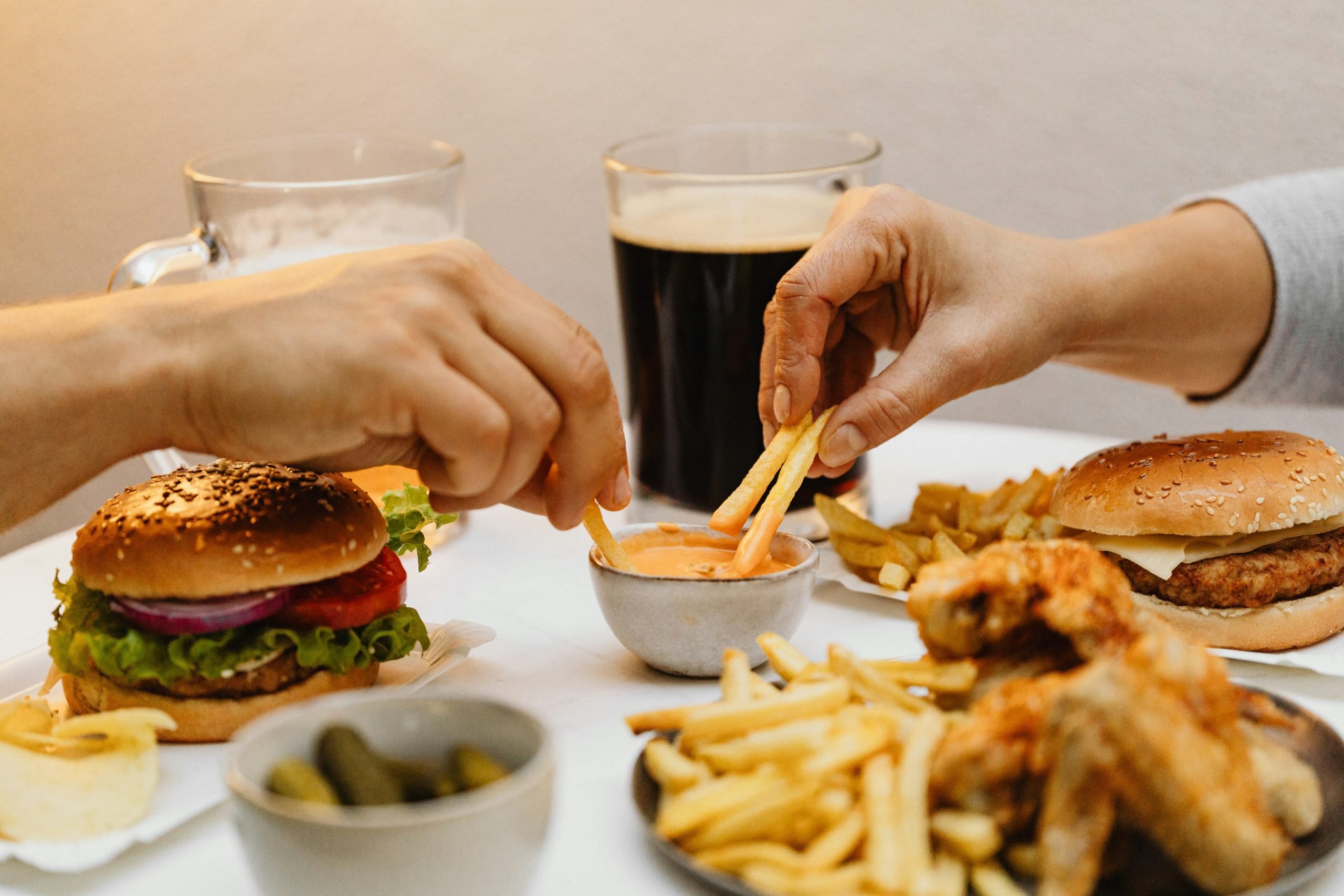
    Your liver and kidneys are incredibly resilient, but they work significantly better when we give them a break. Certain everyday foods, when consumed often or in large amounts, can put extra stress on these organs.

    Here are a few to watch for:

    • Excess sugar—Too much sugar can contribute to fatty liver and insulin resistance, which puts extra pressure on detox systems.

    • Alcohol—Your liver processes alcohol like a toxin, and frequent drinking can lead to inflammation or sluggish detox function over time.

    • High Sodium—Canned soups, frozen meals, and salty snacks can burden the kidneys and disrupt the body’s fluid and electrolyte balance.

    No need to cut these out completely, focus on moderation, and give your liver and kidneys a break when you can.
    Foods That Help the Liver: Phase I & II Detox

    Your liver detoxes in two steps. Phase I breaks down toxins, and Phase II converts them so that they can be safely excreted. To support these pathways, here are some foods that optimize liver function and overall health. 

    Supporting Phase I

    • Cruciferous veggies: Broccoli, cauliflower, and brussels sprouts

    • Alliums: Garlic, onions, and leeks

    • Green tea & turmeric

    Supporting Phase II

    • Sulfur-rich foods: Eggs, legumes, and cabbage

    • Antioxidant-rich fruits: Blueberries, cherries, and citrus

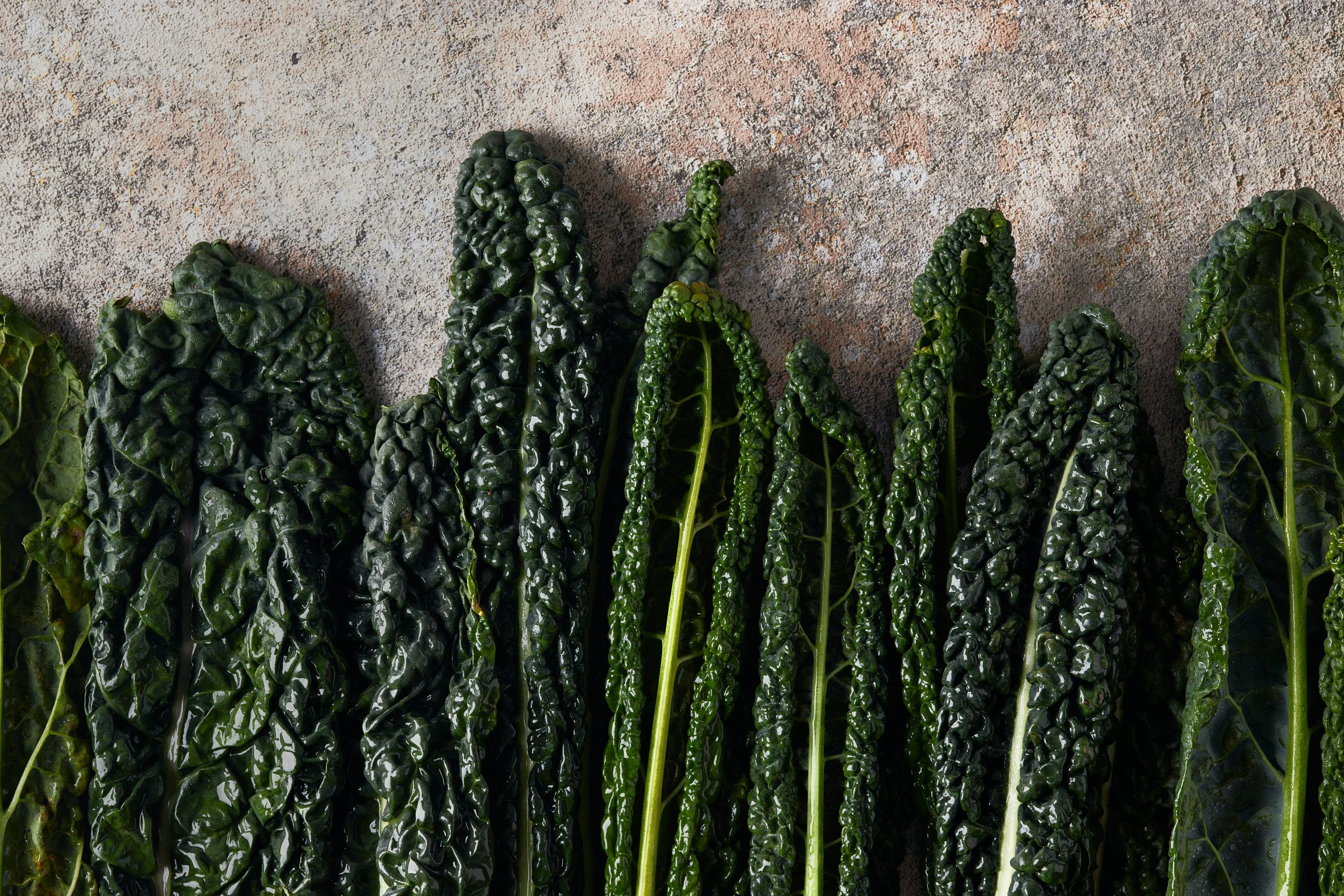
    • Leafy greens: Spinach, kale, and arugula

    While focusing on your liver, it’s important not to forget your kidneys. These organs filter waste through urine and regulate your body’s mineral balance. Support them by staying hydrated with clean electrolytes and enjoying potassium-rich foods like sweet potatoes and avocados.

    Managing Stress To Love Your Liver

    Stress doesn’t just affect your mind; it places real, physical stress on your liver and kidneys. Chronic stress triggers the release of cortisol, which can slow digestion, promote inflammation, and alter blood sugar levels. These health issues can put a real burden on our body’s ability to detox effectively.

    Here’s how to de-stress your detox:

    • Move your body – Walking, stretching, and yoga all help flush cortisol.
    • Practice mindfulness – Even 5 minutes a day of deep breathing or journaling can lower stress levels.
    • Eat regular meals – Skipping meals can send your blood sugar (and cortisol) on a roller coaster ride. Nourishing yourself with regular meals that include protein, fiber, and healthy fats can stabilize your blood sugar and tame cortisol.

    Your liver loves rhythm and regulation, not chaos, so reducing stress is one of the kindest things you can do for your detox system.  These amazing organs (your liver and kidneys) work for you all day, every day. By swapping a radical reset for steady support, you give your body the consistency it needs to thrive naturally.  Detox isn’t about extremes, it’s about everyday choices. And when it comes to supporting your body, consistency beats intensity every time. 

  • The Science and Benefits of Habit Stacking

    The Science and Benefits of Habit Stacking

    Let’s be honest, starting a new routine is rarely easy. You set a goal, feel energized, and dive in…but staying consistent? That’s the real challenge. It’s not about a lack of motivation, life is just busy. Between work, appointments, and everything else on your plate, it’s easy for new habits to slip through the cracks. That’s why routines need to work with your life, not against it, and that’s where habit stacking comes in.

    This brain-friendly strategy helps you build healthy habits by anchoring them to ones you already do, no willpower battles or forgetting required. Below, we’ll break down what habit stacking is, why it works, and how you can start stacking your own habits today.

    Habit Stacking 101: What is it?

    Habit stacking is a simple but powerful method for building lasting routines, popularized by behavior experts like BJ Fogg (Tiny Habits), SJ Scott (Habit Stacking), and James Clear (Atomic Habits). The core idea is this: instead of trying to start a new habit from scratch, you attach it to something you already do consistently.

    Why It Works

    The human brain loves patterns. When something becomes routine, your brain creates a mental shortcut to make it happen with less effort. By stacking a new habit with one that’s already on autopilot, it can help encourage your new behaviour, without needing much motivation or willpower. It also cuts down on decision fatigue. You’ll no longer have to think about when you’ll squeeze that new habit in. In short, habit stacking makes behavior change more accessible, more automatic, and way less overwhelming.

    So the next time you reach for your morning coffee, brush your teeth, or lock your front door, think of it as an exciting opportunity to begin a new habit. One small change can lead to big results, and habit stacking might just be your secret weapon.

    Quick Examples of Habit Stacking

    • After I pour my morning coffee, I’ll drink a glass of water
    • After dinner, I’ll go for a 10-minute walk
    • After I shut my laptop at 5pm, I’ll write tomorrow’s to-do list
    • After I brush my teeth at night, I’ll put my phone on the charger

    Pro Tips for Sticking With It

    • Set visual cues. Leave your book on the table or your running shoes at the front door, if it helps you remember.
    • Start tiny. The simpler the habit, the easier it is to stack and stick.
    • Plan for bumps. No time to cook that healthy meal? Have a backup like a premade salad or smoothie.
    • Focus on consistency, not perfection. You don’t have to nail it every single day. Aim to show up more often than not, and give yourself grace on the off days. Progress beats perfection, always.

    In A Nutshell

    Let’s face it, life is busy, unpredictable, and far from perfect. Building healthy habits doesn’t have to be an all-or-nothing effort. Focusing on consistency over perfection can make all the difference. Habit stacking gives you a simple, science-backed way to weave new routines into your day without overhauling your schedule. It’s about working with your life, not against it.

    So the next time you reach for your morning coffee, brush your teeth, or lock your front door, think of it as an exciting opportunity to begin a new habit. One small change can lead to big results, and habit stacking might just be your secret weapon.

  • Omega 3’s: 4 Ways To Pick The Right Fish Oil

    Omega 3’s: 4 Ways To Pick The Right Fish Oil

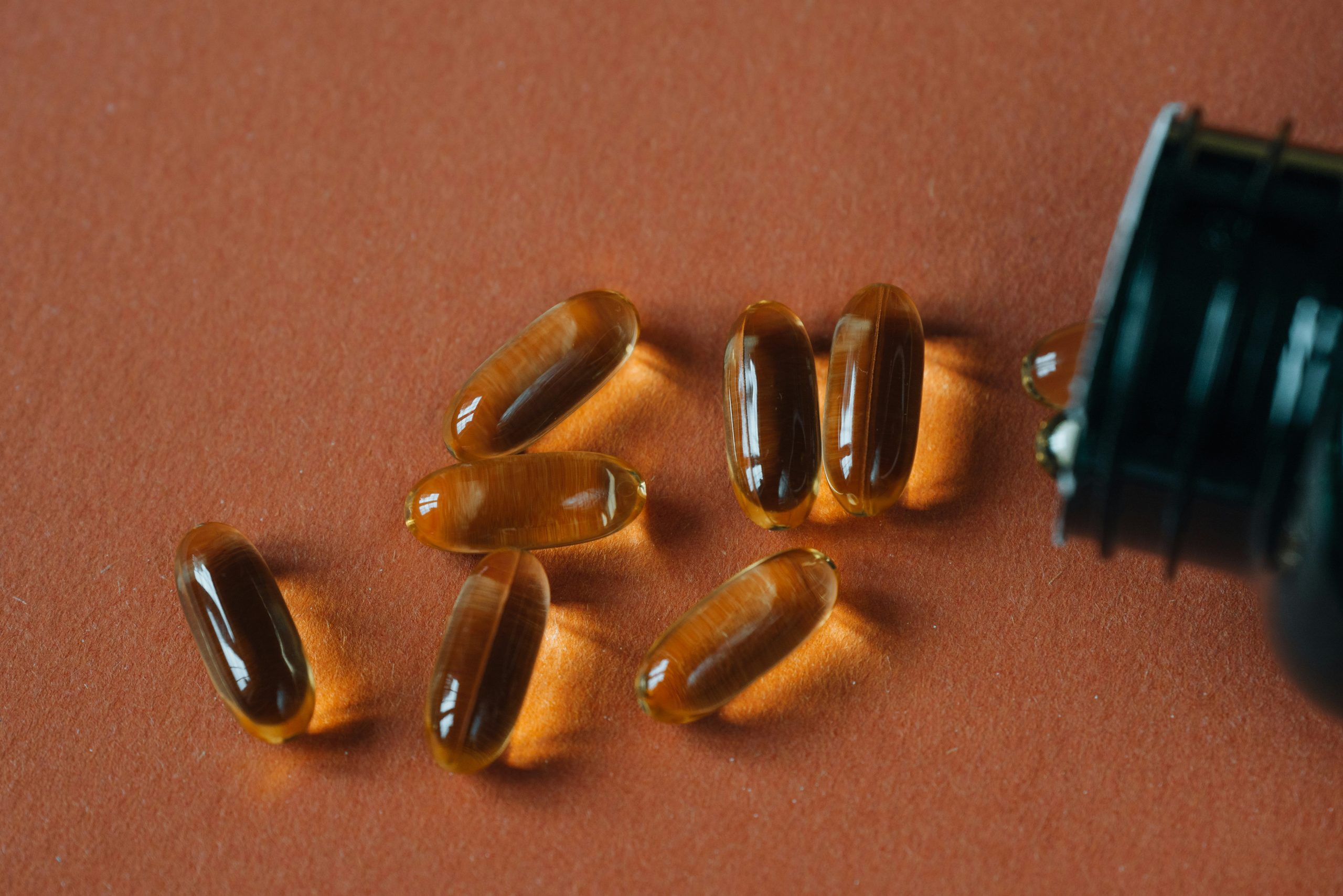
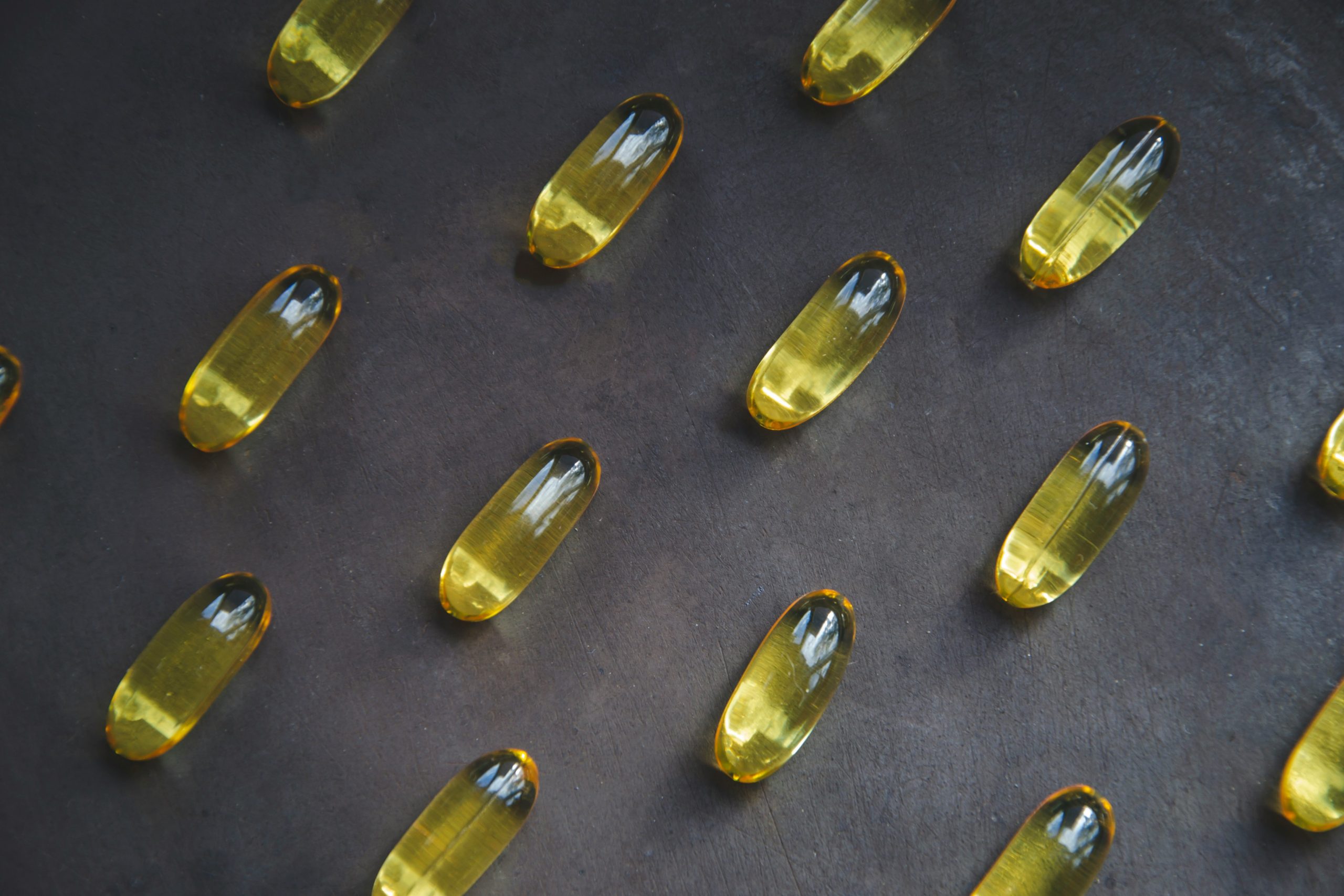
    Fish oil is one of the most popular supplements out there and for good reason. It’s packed with omega-3s to support brain function, heart health, joints, and mood. But not all fish oil is created equal. If you’ve ever stared at a wall of fish oil bottles, confused about what to grab, you’re not alone. The truth is that quality matters when choosing the right one. Here are four key things to check before you buy your next omega-3 supplement.

    1. Check Where (and How) It’s Sourced

    Not all fish oil is harvested the same way. Look for products that use sustainably sourced, wild-caught fish. The better the sourcing, the purer the final product tends to be. High-quality brands will proudly share this info, so if it’s hard to find, that might be a red flag. Checking for lab-tested and certified products also ensures you are getting a high-quality supplement since third parties can test factors such as potency, freshness, or good manufacturing practices.

    2. Understand the Form: Triglycerides vs. Ethyl Esters

    Fish oil typically comes in 2 forms: triglycerides (the natural form found in fish) and ethyl esters (a purified, concentrated version). Some fish oils are turned into ethyl esters to be purified and then changed back to a triglyceride form, which ups the price tag.  While triglycerides offer higher absorption rates ethyl esters are also shown to be effective and are a widely used option. The choice often comes down to quality processing and personal preference.  

    The filtration process removes harmful ingredients such as PCPs (from plastics) and heavy metals.  Fish oils can be overheated during the filtration process so look for companies that utilize a low-heat filtration process that maintains the quality of the fish oil. 

    3. Smaller Fish = Lower Mercury

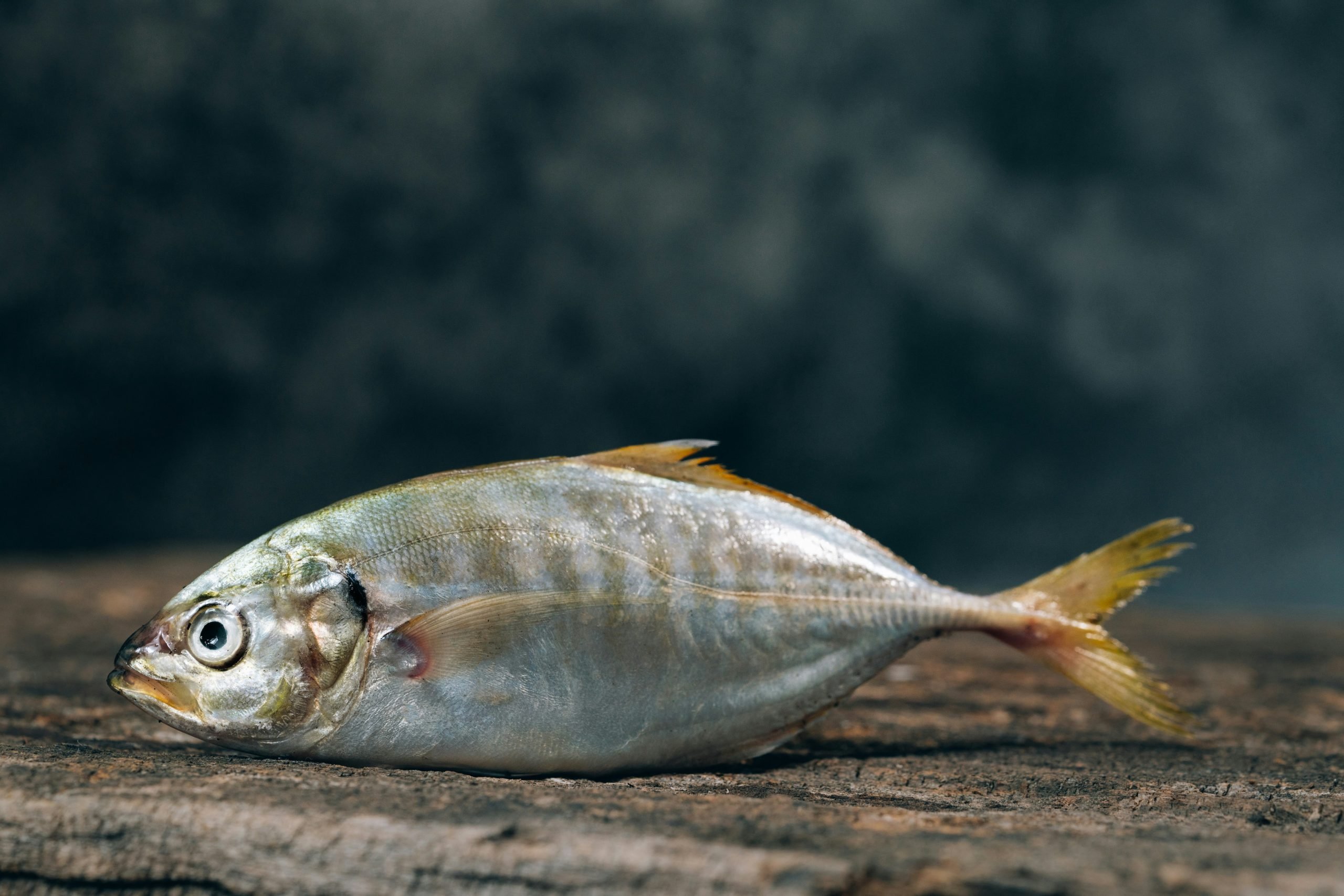
    The type of fish used in your supplement matters. Larger fish like tuna can accumulate more mercury and heavy metals over time. That’s why high-quality fish oil is often made from smaller, short-lived fish like anchovies, sardines, or mackerel. These fish are naturally lower in toxins and still rich in omega-3s. Always look at the ingredient list to see what fish are used.  Smaller is usually better.

    4. How to Read The Label: EPA & DHA

    The key active ingredients in fish oil are two types of omega-3s: EPA (eicosapentaenoic acid) and DHA (docosahexaenoic acid). Some formulas contain a balanced ratio, while others are higher in one than the other. EPA is often associated with mood and inflammation support, while DHA is more commonly linked to brain and eye health. The label should clearly show how much of each you’re getting, so you know exactly what you’re taking and how it may support your specific wellness goals.

    Choosing the right fish oil doesn’t have to be complicated. Keeping an eye on the sourcing, fish type, form, and label transparency can do the trick.  You’ll get all the omega-3 benefits, without the guesswork. Want a clean, effective option to start with? NutraChamps Fish Oil has you covered.

  • Low Energy Strategies: 5 Ways to Fight Fatigue

    Low Energy Strategies: 5 Ways to Fight Fatigue

    If your energy levels feel stuck on low—even after a full night’s sleep—you’re not alone. These days, running on empty has become a new norm for many of us. Whether it’s that mid-afternoon crash, the morning struggle to get out of bed, or just the constant feeling of “meh,” fatigue has a sneaky way of showing up and stealing your spark. And while grabbing another coffee might seem like the easiest fix (no judgment—we’ve all done it), that temporary energy boost isn’t getting to the root of the problem. 

    Truth is, more often than not, your energy levels are connected to deeper lifestyle factors: nutrition, digestion, sleep quality, and even how much natural light you’re exposed to each day. The good news? Small, consistent changes can make a big difference. Whether you’re hitting a mid-afternoon slump or struggling to wake up early, here are five natural ways to fight fatigue and feel more energized throughout the day. 

    1. Getting Morning Sun & Limiting Blue Light

    Your energy starts with your circadian rhythm, your body’s natural clock. Getting sunlight on your skin and in your eyes early in the day helps regulate this rhythm, supporting cortisol production (your “get-up-and-go” hormone). At night, exposure to artificial blue light (on your skin and through your eyes) can suppress melatonin, making it harder to get restorative sleep. Try stepping outside within 30 minutes of waking and dimming lights or wearing blue light blockers an hour before bed, to help your body wind down naturally.

    2. Boosting Low Iron

    Low iron is a common and often overlooked cause of fatigue, especially in menstruating women. Iron plays a vital role in oxygen transport. So when you’re low, your cells don’t get the fuel they need to function efficiently. If you’re constantly tired, cold, or short of breath, it might be worth checking your iron and ferritin levels with your healthcare provider. Iron-rich foods like leafy greens, red meat, and lentils can help.  Some individuals may also benefit from taking iron supplements.

    3. Adding Protein to Every Meal & Snack

    Energy crashes often come from blood sugar roller coasters. One way to stabilize your blood sugar and energy is by adding protein to every meal and snack. Protein slows digestion and helps keep you full and focused for longer. Try pairing fruit with a clean nut butter, or swap your morning toast for eggs or a protein smoothie. These small tweaks can make a big difference in how steady and energized you feel throughout the day.

    4. Supporting Your Gut Health

    Your gut plays a role in how energized or drained you feel. When digestion is off, your body has to work harder to break down food and absorb nutrients, which leaves you feeling sluggish. For some people, things like bloating, gas, or irregularity can indicate that certain foods aren’t being digested well. If you suspect certain foods are draining your energy, working with a practitioner to identify and resolve your triggers could be a game-changer. Pair that with habits like staying hydrated, and including fermented foods or gentle probiotics to support smoother digestion.

    5. Replenishing Nutrients Burned by Stress

    Chronic stress can leave you feeling overwhelmed with low energy. That’s because stress uses nutrients like magnesium, B vitamins, and vitamin C – nutrients essential for energy production and nervous system regulation. When constantly stressed, our body burns through these reserves, leading to fatigue. Supporting your body with nutrient-rich whole foods and supplementation can help restore balance and reduce the crash that often follows prolonged stress.


    Fatigue doesn’t always require drastic changes.  Often, it’s a matter of supporting your body in simple, consistent ways. From sunlight and sleep to iron and digestion, daily choices can result in more energy.  Start small, stay curious, and notice what your body needs to thrive.

  • Post-Holiday Recovery 

    Post-Holiday Recovery 

    We started this month by giving you ways to manage holiday stress. Now, as we end the 2024 season, we’re here to help you prepare for recovery. 

    The time after the holidays is often when we realize just how much we’ve given, physically and emotionally. The transition from a season of excitement and socializing to the quieter days of January emphasizes just how much energy the holiday season really requires. If you’re feeling overwhelmed or simply exhausted after the holiday hustle, you’re not alone! Now that the holiday season is almost behind us, it’s time to give yourself permission to pause, recharge, and reset—because your well-being deserves it.

    Here are our top 5 ways to recover after the holiday madness:

    1. Start Slow

    For many of us the Holiday season was a constant go-go-go! With that said, now is the time to slow it down a bit. Don’t rush into full productivity mode. Take one task at a time. Life’s everyday normalcy and urgencies will return, but allow yourself to soak in the last bit of the holidays and take it one new task at a time. Take any extra time you have free to just sit by the fire with a mug of hot chocolate.

    2. Declutter and Organize

    Clean up any party mess and leftovers, and slowly (and sadly) start putting away any decorations that don’t need to be brought into 2025. Work on creating a clean space for the new year!

    3. Reset Your Routine

    Without a doubt, the holidays can mess with our sleep, extra activities, hobbies, workflow, and really any routine we have going pre-holiday season. Go to bed and wake up at consistent times to recover from irregular holiday schedules, pick up where you left off in your workouts, or start doing whatever made you feel good on a daily basis before the holiday stress.

    4. Detox Your Mind and Body

    Lots has probably happened during this time of the year. Lots of planning, conversations, and food. Now that it’s winding down, consider meditation, journaling, or yoga to clear mental clutter and consume healthier foods to help detox your body from all the holiday indulgence.

    5. Recover Your Finances

    There isn’t much to say here except that it’s time to start saving again! 😅


    As we bid farewell to the hustle and bustle of the holiday season, it’s essential to take a step back and allow ourselves the time and space to recover. Remember, self-care is not a luxury; it’s a necessity, especially after a season of giving. So, take a deep breath, embrace the quiet moments, and give yourself permission to recharge. You’ve earned it! As we move into 2025, let’s approach the new year with intention, clarity, and a renewed sense of well-being. Wishing you a peaceful, restorative post-holiday season and a fresh start to the year!


  • The Importance of Gratitude

    The Importance of Gratitude

    As we enter a season where giving is at the forefront of many traditions and celebrations, it’s also a perfect time to pause and reflect on one of the most important practices in life—gratitude. With so much emphasis on gifts, presents, and material things this time of year, we want to take a moment to send a heartfelt thank you to you—our loyal Champ, reader, and community member. Your support means the world to us, and we couldn’t be more grateful for you.

    Gratitude is a powerful mindset and a daily practice that can transform our lives and relationships. In this week’s blog post, we explore the power of gratitude, diving into why it’s so important and how we can all start incorporating more of it into our daily lives. 

    The term “gratitude” comes from the Latin word gratia, which can mean grace, graciousness, or thankfulness, depending on the context. In many ways, gratitude incorporates all of these meanings. It refers to a sincere appreciation for what one receives and has, whether tangible or intangible. Through gratitude, individuals are able to recognize the positive aspects of their lives, often realizing that the source of these blessings lies, at least in part, beyond themselves. Consequently, cultivating gratitude fosters a sense of connection to something greater—whether it be other people in your life, nature, the world around you, life, or a higher power.

    What does Science say about gratitude?

    According to the Harvard School of Medicine (2021), one study found that participants who wrote about things they were grateful for experienced greater optimism, better health, and more physical activity compared to those who focused on irritations or neutral events.

    The article also mentions how gratitude improves relationships. A study concluded that couples who expressed gratitude for their partners felt more positive and were more open to discussing relationship concerns. In workplace settings, expressing gratitude can boost employee motivation; a study of university fundraisers showed that those who received a thank-you message from their manager made 50% more calls than those who didn’t. It is gratitude that allows individuals to realize that they wouldn’t be where they are without the help of others and to appreciate those others in their lives. 

    Many other studies have observed that being grateful can also support greater health, happiness, and wisdom in ourselves and our communities. Ultimately gratitude is more than just a momentary good feeling, but rather a practice that can help build continuous satisfaction with life. 

    Ways to practice gratitude

    Keep a gratitude journal: Make it a habit to write down or share with a loved one thoughts about the gifts you’ve received each day. As mentioned, studies have shown that writing out what you are grateful for can improve health and make one more optimistic.

    Write a thank you note or message to someone

    Let someone know in writing how thankful you are for their support, presence, help, or love. They will always have that note as a personal reminder of the impact they have made on your life. 

    Engage in random acts of kindness

    Helping others not only benefits them, but it can deepen your own sense of appreciation for what you have and give back. 

    Before Eating, Give Thanks

    Take a moment before each meal to reflect on something you’re grateful for—whether it’s the food you’re about to enjoy or something that happened during your day. If you have to eat dinner with others like a partner or family, create a tradition of sharing something you’re grateful for around the dinner table, helping to reinforce a culture of appreciation.

    Nighttime Reflection

    Before going to sleep, think back on your day and identify at least three things you’re grateful for. This can help improve sleep quality by focusing your mind on positive thoughts before resting.


    In conclusion, gratitude has a much greater impact than given credit for—it’s a transformative practice that can deeply enrich our lives. By making gratitude a daily habit, whether through journaling, expressing appreciation, or simply pausing to reflect on the positive aspects of our lives, we cultivate a mindset that fosters well-being, strengthens relationships, and brings greater satisfaction. As we embrace this season of giving, let’s remember that the most meaningful gifts are often intangible, and the act of giving thanks has the power to create lasting joy and connection.


    References 

    Harvard Health. (2021, August 14). Giving thanks can make you happier. https://www.health.harvard.edu/healthbeat/giving-thanks-can-make-you-happier


  • Seasonal Affective Disorder- What Is It?

    Seasonal Affective Disorder- What Is It?

    As the days grow shorter and the weather turns colder, many people find themselves feeling a little “down” during the fall and winter months. While some chalk it up to the post-holiday blues or the challenge of less daylight, for others, these seasonal changes can lead to something more serious: Seasonal Affective Disorder (SAD).

    SAD is a type of depression that typically occurs during the fall and winter when sunlight exposure is reduced. But unlike the occasional “winter blues,” SAD can be a persistent and debilitating condition. If you’ve noticed that your mood, energy levels, or outlook on life take a significant dip during the colder months, it might be more than just a seasonal slump.

    In this blog post, we’ll explore SAD, its causes, symptoms, and, most importantly, how to manage and treat it.


    What is SAD?

    Seasonal Affective Disorder (SAD) is a type of depression that follows a seasonal pattern. It usually appears during the fall and winter months when there’s less sunlight. The condition affects people in various ways but can significantly interfere with daily life. Symptoms tend to improve in the spring and summer when sunlight exposure increases.

    While the exact cause of SAD is still not fully understood, it’s believed to be linked to a disruption in our biological rhythms, particularly the circadian rhythm (our internal clock that regulates sleep and wake cycles) (Mayo Clinic, 2023). Reduced sunlight exposure during the colder months can also affect the production of certain chemicals in the brain, such as serotonin, which helps regulate mood, and melatonin, which affects sleep (Waystone, n.d).

    Symptoms of SAD

    SAD shares many of the same symptoms as major depression, but they typically occur at a specific time of year—often from late fall to early spring. Here are some common symptoms:

    • Low mood and feelings of hopelessness or sadness
    • Fatigue and low energy, even after a full night’s sleep
    • Difficulty concentrating
    • Increased sleep, often with a tendency to oversleep (hypersomnia)
    • Changes in appetite, particularly cravings for carbohydrates or sugary foods
    • Weight gain as a result of overeating and less physical activity
    • Social withdrawal or a lack of interest in activities once enjoyed
    • Irritability or anxiety

    How to Manage and Treat SAD

    While SAD can be challenging, it’s important to know that help is available. Here are several ways to manage and treat the condition:

    Light Therapy

    One of the most common and effective treatments for SAD is light therapy. This involves sitting near a special light box that mimics natural sunlight, helping to reset your body’s internal clock. Light therapy is usually done for 20-30 minutes daily, ideally in the morning, and can be highly effective for many individuals.

    Cognitive Behavioral Therapy (CBT)

    Cognitive-behavioral therapy (CBT) is a type of therapy that can help individuals recognize and change negative thought patterns that may contribute to depression. For those with SAD, CBT can be tailored to address specific symptoms related to the disorder, such as feelings of hopelessness or isolation. CBT has been shown to be effective in treating seasonal depression, especially when combined with light therapy.

    Maintain a Healthy Routine

    Sticking to a regular sleep schedule, eating nutritious meals, and staying active can help combat the fatigue and low energy associated with SAD. Regular physical activity, especially outdoor exercise in natural daylight, can boost serotonin levels and improve mood. Even light exercises like walking, yoga, or stretching can help keep your energy levels up.

    Stay Connected with Others

    Social isolation can make SAD worse, so it’s important to maintain your relationships and seek support when needed. Try to spend time with friends and family, even if it means forcing yourself out of the house when you don’t feel like it. Support groups or talking to a therapist can also help you manage your symptoms and feel less alone.

    Vitamin D

    Some people find that supplementing with vitamin D can help alleviate symptoms of SAD, especially if their symptoms are related to sunlight deficiency. Consult with your doctor before starting any new supplements to ensure they are safe and effective.


    If you find that your symptoms of SAD are significantly affecting your quality of life—such as interfering with work, school, or relationships—it’s important to speak with a healthcare provider. Early intervention can lead to more effective treatment and better outcomes.

    Seasonal Affective Disorder is a real and challenging condition, but with the right tools and support, it is manageable. Whether you opt for light therapy, therapy, medication, or lifestyle changes, addressing SAD early can make a big difference in how you feel during the colder months. By recognizing the signs and seeking the appropriate treatment, you can take steps toward better mental health and a more enjoyable winter season.


    References
    Waystone. (n.d.). SAD symptoms, treatments, & a guide to understanding and managing SAD. Waystone.
      https://waystone.ca/sad-symptoms-treatments-a-guide-to-understanding-and-managing-sad/

    Mayo Clinic. (2023, September 1). Seasonal affective disorder (SAD) – Symptoms and causes. Mayo Clinic. https://www.mayoclinic.org/diseases-conditions/seasonal-affective-disorder/symptoms-causes/syc-20364651