Tag: nutrition

  • Why We All Need Green In Our Life

    Why We All Need Green In Our Life

    Have you ever wondered why humans love being in nature so much? It might have to do with the color green. For centuries, green has been a vibrant symbol of the environmental movement and healthy living. While we most often associate green with the planet and the trees that help mitigate climate change, the benefits of all that is green also extend to our health. From forests to salads, from green tea to money, the color green reigns supreme in many aspects of our lives. In this article, we will explore the science behind the color green and discuss why we all need it in our lives. 

    The Science Behind The Color Green  

    Science says that green is the one color that the human eye can perceive better than any other color (Jimison, 2017). This has to do largely with evolution and our ancestors. Long ago, our ancestors were surrounded by green landscapes and foods, making them more receptive to the color. It is why we can tell that a green banana is not ripe yet or that when forests are all green, it means it’s summer. Our eyes love the color green!

    Studies have shown that the color green extends beyond our eyes and has the ability to soothe our nervous system (Avril, 2017). By surrounding ourselves with green, our whole body goes into a relaxed state. When you look at the color green you may associate it with serenity and tranquility, making it a visual cue to relax and take a deep breath. Moreover, the colour green has for many years been used as a positive affirmation, often being the color of choice for checkmarks and yes buttons. It is the color synonymous with luck, freedom, hope, creativity, renewal, and vitality and has been proven to show signs of mood improvement. Green is the color of life!

    How To Get More Green In Your Life:

    1. Get outside!: As we’ve already discussed, human’s instinctual habitat is the outdoors. Take a walk in the park, picnic on the grass, or just admire the trees. 
    2. Add house plants to your home: When you cannot get outdoors, having a piece of it with you inside can boost the air quality and your mood. 
    3. Drink green tea: Studies suggest that consuming green tea may positively affect skin health, help with weight loss, and reduce the risk of cardiovascular disease, among other benefits (McDonell, 2023). Moreover, drinking green tea increases attention and focus without the jitters that coffee gives you. 
    4. Eat more salads: We know this isn’t for everyone and may not be as fun as eating a plate of pasta, but salads are rich in vitamins and minerals that are otherwise difficult to get from other foods. With all the recipe blogs that exist today, there are endless recipes that can be used to make a boring salad extra fancy! 
    5. Plant a garden: One of the best ways to incorporate more green into your life is by establishing an herb garden, a salad garden, or a kitchen garden. Not only will you be surrounded by green and consume it regularly, but gardening itself can also amplify the calming effects of green.
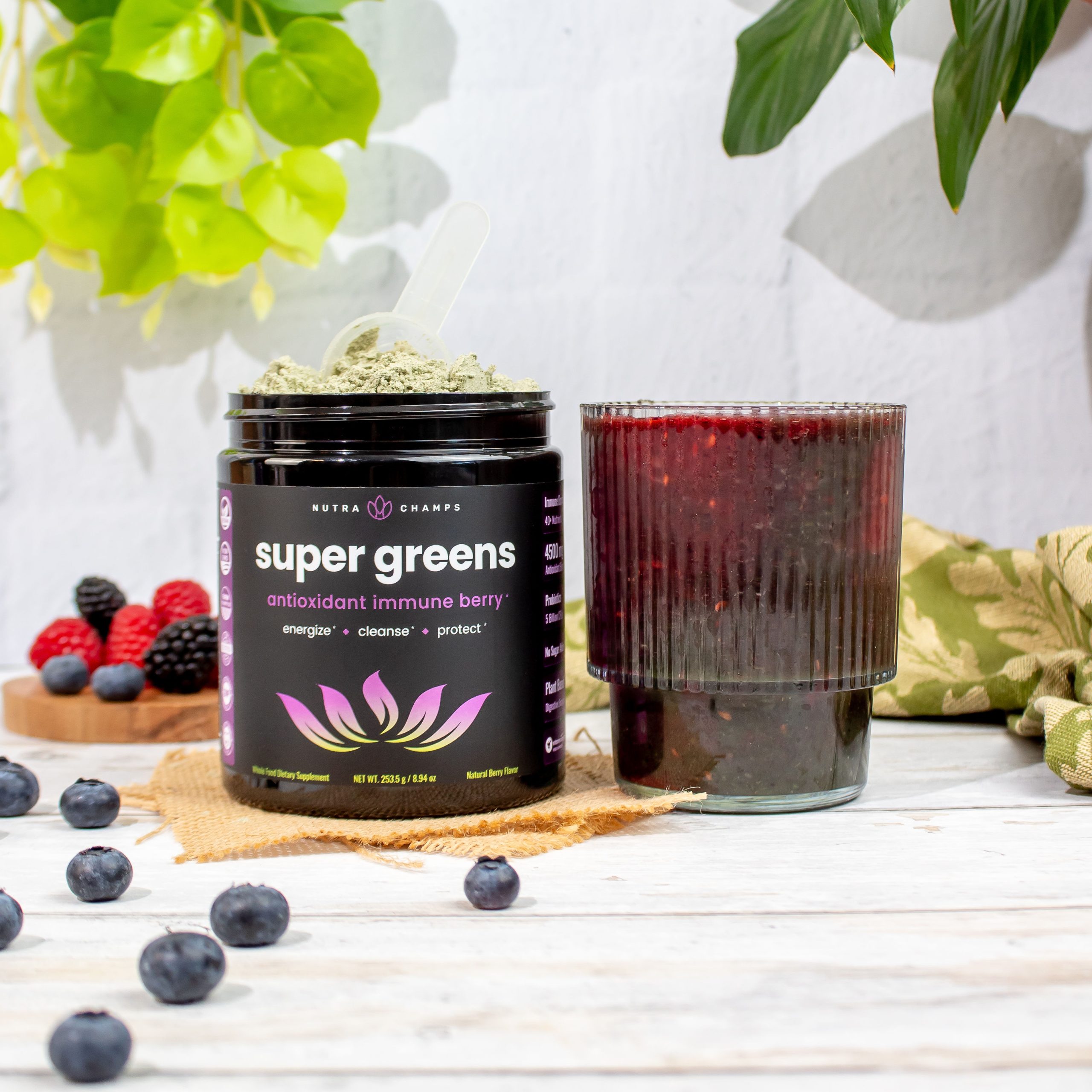
    6. Drink Nutra Champs Super Greens: This is our favorite tip! This wholesome blend combines organic greens, berries, antioxidants, probiotics and digestive enzymes into one huge energy, immunity & gut-health blend.

    Now that we’ve presented six ways to GO GREEN, please feel free to connect with us and share how you incorporate green practices into your life!


    Citations: 

    Avril, A.-L. (n.d.). All you need is green. Reforest’Action. https://www.reforestaction.com/en/magazine/all-you-need-green

    Jimison, R. (2017, June 5). What it really means to see green. CNN. https://www.cnn.com/2017/06/05/health/colorscope-green-environment-calm/index.html

     McDonell, K. (2023, November 27). How much green tea should you drink per day?. Healthline. https://www.healthline.com/nutrition/how-much-green-tea-per-day#:~:text=The%20Bottom%20Line,reap%20the%20most%20health%20benefits.


  • 5 Top Benefits of Berberine

    5 Top Benefits of Berberine

    In the past couple of years, you might have heard of the berberine supplement, widely discussed on social media for its potential weight loss benefits. Although it may seem like this supplement is a newer discovery in the wellness world, Berberine has been around for over 3000 years. For centuries, berberine was commonly used in traditional Chinese medicine and Ayurveda to treat various health conditions. This potent compound treated many ailments, including diabetes, high blood pressure, canker sores, and even cholesterol. Berberine is a compound derived from different plants such as European barberry, goldenseal, and tree turmeric. Nowadays, supplementation with berberine is one of the easiest ways to get a healthy dose of this compound and its benefits. In this article, we will elaborate on the top five benefits of berberine and why you might benefit from this incredible supplement! 

    Berberine’s Benefits

    Lowers blood sugar

    Type 2 diabetes impacts a large number of people around the world; in 2017, a statistic found that nearly 6.28% of the global population have this condition. A study completed in 2008 compared a popular medication to help treat type 2 diabetes called metformin with berberine. 36 adults participated in this 3-month trial, and the results actually showed that berberine had the same hypoglycemic effect as metformin, showing a significant impact on blood sugar levels. Other studies have also shown that people who take berberine as a treatment for hyperglycemia show little or no adverse effects to the supplement, which is very promising!

    Supports cholesterol levels

    Another common health condition in the United States impacting nearly 94 million adults is high cholesterol. It’s important to be mindful of cholesterol levels because too much bad cholesterol can lead to other health complications such as heart disease, stroke, and other issues. The good news is that you can do many natural things to improve your cholesterol levels. Taking berberine is one of the ways that you can support cholesterol in the body, as studies have shown its ability to lower cholesterol and triglyceride levels while raising good cholesterol levels. 

    May assist in weight loss goals

    Unlike the other two benefits above, there isn’t as much scientific research proving the correlation between weight loss and berberine, but there is some promising evidence. Berberine has been shown to help with regulating metabolism, and improving insulin resistance. Some have even claimed that berberine may help to suppress appetite. All of these factors combined can contribute to the pursuit of weight loss goals. 

    PCOS symptom relief 

    PCOS is a condition that impacts many women in their reproductive years. It is accompanied by specific combined symptoms which usually results in a PCOS diagnosis. Some of the symptoms that define a PCOS condition can include irregular periods, hormonal imbalances, ovarian cysts, and potential infertility. Berberine has the potential to assist in supporting many of the symptoms women with PCOS deal with including insulin resistance & improving fertility. This study speaks to the results of berberine’s use in improving fertility and pregnancy outcomes for women who deal with PCOS. 

    Supports gut health

    The gut microbiome is a complex ecosystem that lives within our intestines. It is full of bacteria, both “good” and “bad” kinds. There is so much bacteria living in the gut that it’s a higher amount than the number of cells in our body. A plethora of research has found that the state of our gut microbiota plays a significant role in health and disease. There are studies showing that Berberine has the capability to influence the gut microbiota, playing a role in supporting the effects of different diseases! 


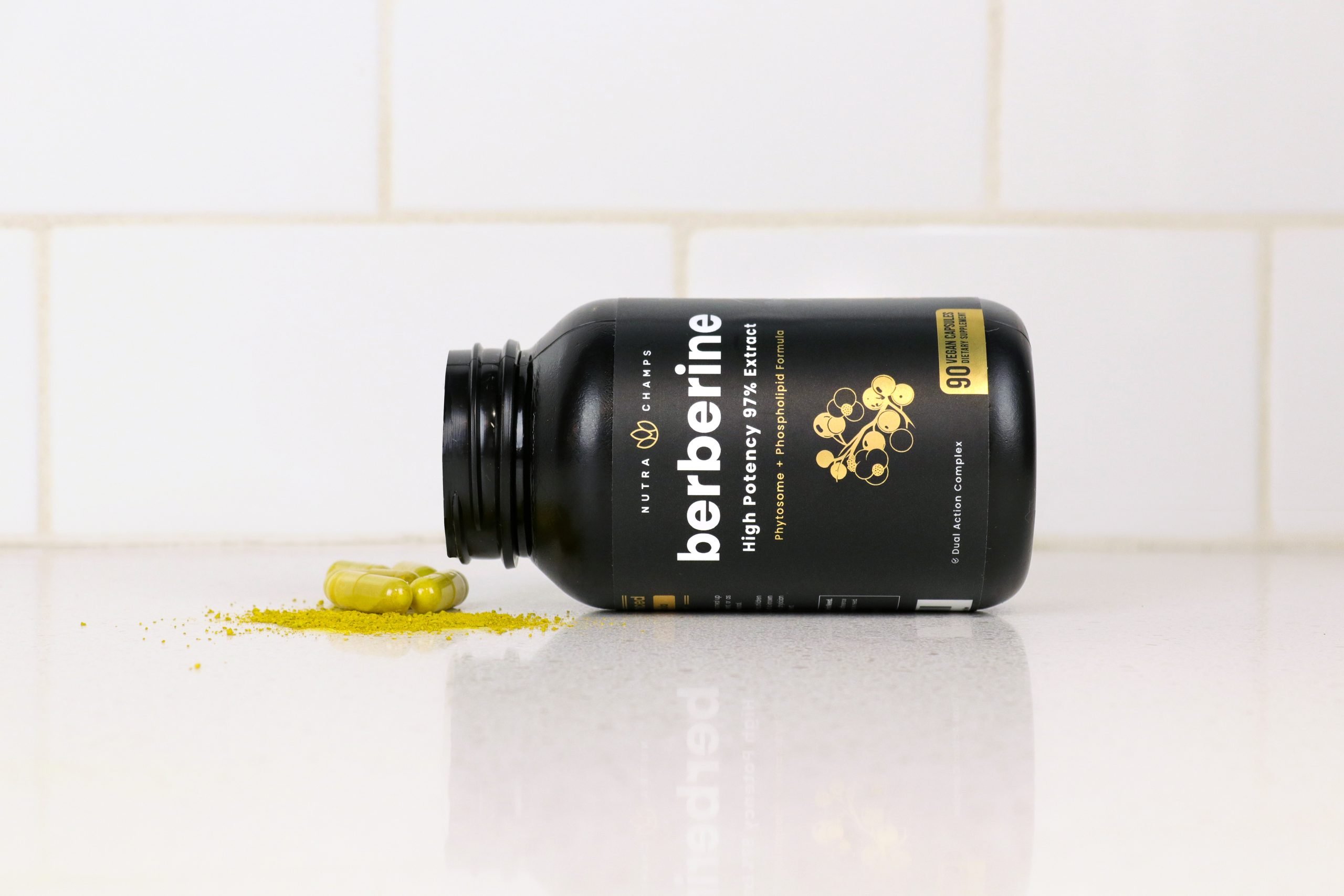
    All in all, there are a lot of promising findings about the positive impacts of taking Berberine supplements. The good news is, here at NutraChamps, we just released our very own Berberine supplement to support optimal wellbeing. NutraChamps berberine supplement. Our premium Berberine is designed to support your metabolic health and maintain healthy cholesterol levels, ensuring your body processes glucose and lipids efficiently. With the advanced Berbevis® absorption technology, our Berberine pairs with a Phytosome complex for enhanced bioavailability, maximizing benefits and results. 


  • Are You Deficient In Magnesium? More Than Half the Population Is!

    Are You Deficient In Magnesium? More Than Half the Population Is!

    Magnesium is one of the most essential nutrients the body needs to stay healthy. Magnesium impacts almost every organ in the body and is used in various functions and processes within us. Despite its importance and critical role in how we function optimally, more than half of Americans are deficient in magnesium. We obtain magnesium from our foods, some of the highest sources being bananas, buckwheat, spinach, pumpkin seeds, and black beans! If you eat a healthy, well-balanced diet, chances are you aren’t struggling to meet your magnesium needs. Unfortunately, a well-balanced diet isn’t accessible to every American. A recent statistic from USDA found that more than 44 million people in the US face hunger, including 1 in 5 children. Sometimes the inexpensive option is the only option that some people have to put food on the table for their family. This is where affordable yet high-quality supplements, such as the ones we sell at NutraChamps, can make a difference in supporting nutrition and vitamin levels in the body. In this article, we will explain why magnesium is so beneficial and how supplementing with it can impact not only impact your own health, but also your children’s health!

    Symptoms & negative impacts of magnesium deficiency

    Before getting into the plethora of benefits adequate magnesium intake does for the body, we need to explain the signs and symptoms of how you could be magnesium deficient. According to the World Health Organization, more than half of the U.S. population does not meet the recommended daily intake of magnesium. It isn’t always accessible to test the blood for magnesium deficiencies, nor is it always accurate. There are common underlying factors that do put you at more of a risk for magnesium deficiency, though, and some of these include:

    • If you have a gastrointestinal disorder such as Chron’s or celiac disease
    • Type 2 diabetes
    • Alcoholism 
    • People over the age of 60 years old
    • People who consume a diet of highly processed food

    While some factors are out of an individual’s control as to why they are dealing with magnesium deficiency, many factors are in their control! The standard American diet doesn’t fully focus on whole foods, so switching from refined grains and sugars, to real foods from the Earth can make a difference in getting adequate magnesium.  

    If you aren’t getting enough magnesium in your diet or through supplementation, it can also impact the absorption of Vitamin D in the body, which is another critical nutrient. If your levels are too low, the body can’t properly metabolize Vitamin D, which is another reason why making sure you’re getting enough of this nutrient is important.

    Here are some other common signs and symptoms of a magnesium deficiency in the body you can look out for:

    • Muscle twitching & cramps
    • Increased anxiety, stress, and depression
    • Fatigue & muscle weakness
    • Irregular heartbeat
    • High-blood pressure

    Although these symptoms can be linked to many other conditions or deficiencies, it’s definitely worth noting and taking a look at your diet and lifestyle to see if there are any missing links.

    Top Benefits of Magnesium

    Now that we’ve gone into some detail about the different ways magnesium deficiencies can impact the body, we’re going to share the incredible benefits of getting enough magnesium.

    Magnesium supports sleep! 

    More and more research has emerged about the vital role magnesium plays in getting better quality sleep. Studies have found that higher levels of this mineral in the body contributed to deeper sleep, longer sleeping times, and less fatigue. It is not 100% certain as to how magnesium positively impacts sleep but scientists think it has something to do with the way certain chemicals act in the brain. A few studies even found that magnesium can support insomnia! Magnesium is an excellent nighttime option to take as a supplement to help you wind down and get the quality rest you need to feel and perform at your best!

    Magnesium can support mental health conditions

    Most people experience anxiety, stress, and low mood from time to time, but if they become consistent, chances are there could be an underlying cause, such as a magnesium deficiency. Magnesium has been shown to have an overall calming effect on the body by controlling neurotransmitters in the brain, similar to the way it helps with sleep. A study published by PubMed found that magnesium was effective in helping to treat major depression along with a variety of other mental health conditions. Magnesium can also lower cortisol, which is the main stress hormone in the body. Lower cortisol levels automatically results in a more calm and steady mood throughout the day.

    Supports cardiovascular health

    Although more research in this area is needed, some studies show that magnesium has the ability to lower high blood pressure levels. In an article published by Everyday Health, Dr. DeSimone a cardiac electrophysiologist and associate professor of medicine in the department of cardiovascular medicine at Mayo Clinic said that, “Magnesium is a key electrolyte in the body and is necessary for proper homeostasis. Especially in cells that are electrically excitable, like those in the heart.” Lower magnesium levels have been linked to or can worsen an irregular heartbeat.


    The facts are evident, many people are deficient in magnesium, whether it’s due to a lack of nutrient intake in the diet or other factors. The good news is that supplementation options are available for both adults and children to ensure they’re getting enough of this essential mineral! NutraChamps Magnesium, Zinc & D3 supplement is an excellent choice for meeting your daily magnesium goals while still getting the extra benefits of immune boosting Zinc and the sunshine vitamin, D3. We now also offer kids magnesium gummies, which are delicious in flavor and exceptional in benefits for children! By eating a balanced diet, focused on whole foods and supplementing with magnesium, your whole family is sure to get the right amount of this essential mineral to keep you all healthy & strong!

  • Best Natural Remedies for Inflammation in the Body

    Best Natural Remedies for Inflammation in the Body

    Nature has always provided us with options to keep our bodies and minds healthy. In today’s era, we are more focused on achieving goals and succeeding, but with this, we fail to prioritize our health.  It is rightly said that health is wealth, but are we paying enough attention to this? Nowadays, chronic inflammation is a cause of multiple health issues. Arthritis, heart disease, and even some cancers are being recorded due to chronic inflammation. In this blog, we will discuss some magical natural remedies for inflammation in the body.

    Inflammation is the body’s natural response to any injury or infection. But when it becomes chronic, it can cause multiple health problems. From joint pain to increased risk of chronic diseases, inflammation can significantly impact your quality of life. Fortunately, nature offers a wealth of remedies to help manage inflammation naturally. 

    From CBD to NutraChamps turmeric capsules, they can help soothe inflammation and promote a healthier, more vibrant life.

    1. CBD for Inflammation

    CBD is a compound that is found in the cannabis plant. It has gained immense popularity due to its anti-inflammatory properties. Since it is a natural herb, people have accepted it with wide arms. You just need to take the proper dosage for the appropriate results. 

    • Reduces Pain: CBD is well known to reduce pain due to inflammation. It does it by interacting with the ECS ( endocannabinoid system) of the human body. 
    • Minimizes Swelling: CBD can reduce swelling and redness which makes it a popular choice for those people facing difficulties due to arthritis and other inflammatory conditions.
    • Promotes Relaxation: CBD can also help with stress and anxiety, which can exacerbate inflammation.

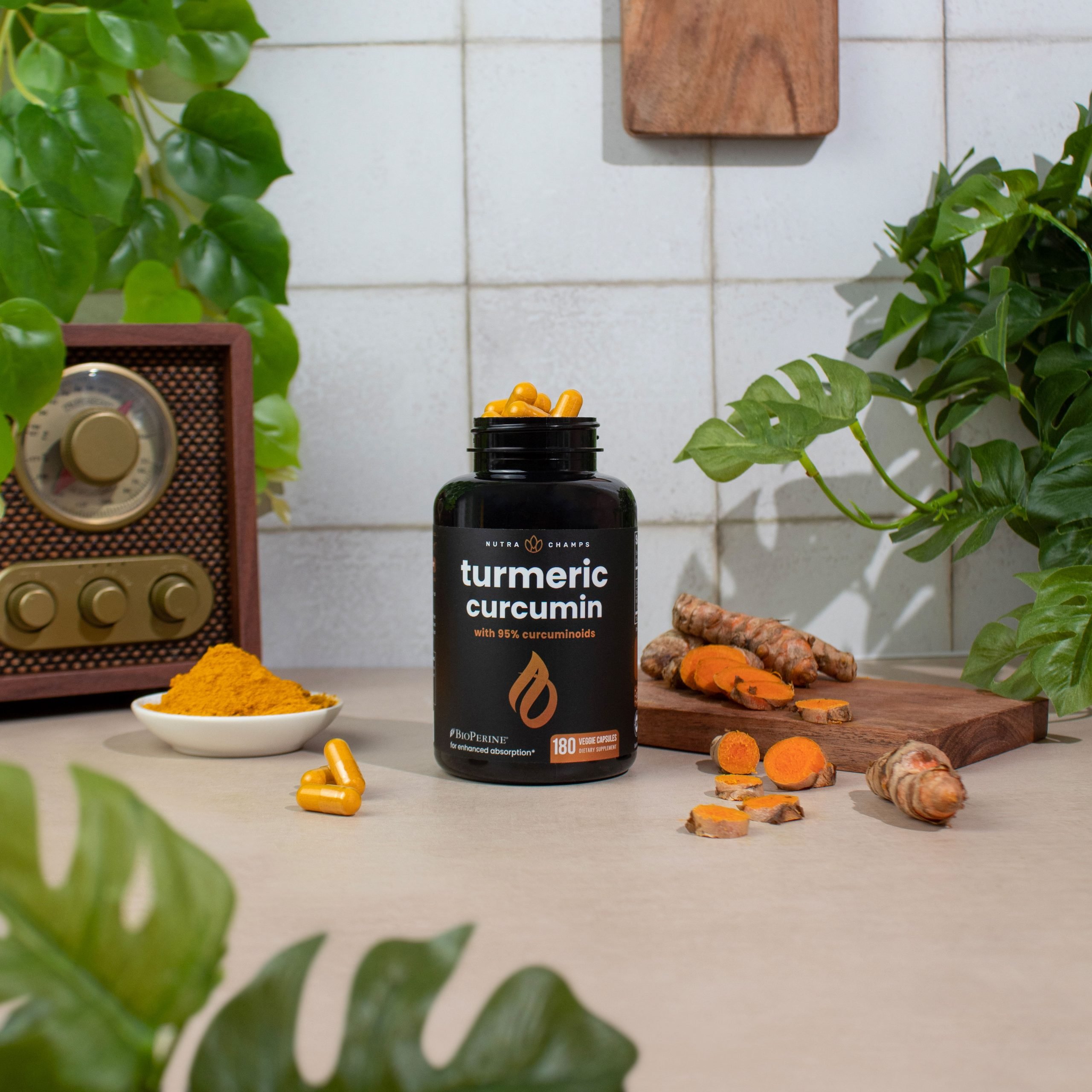
    2. NutraChamps Turmeric Capsules

    Turmeric is a natural anti-inflammatory remedy that is very popular. For effective results, people have been loving NutraChamps turmeric capsules. They are an easy and convenient way to add this potent spice to your daily regimen. Here are a few benefits of taking NutraChamps turmeric capsules:

    • Powerful Anti-Inflammatory Support: Formulated to support muscle, and joint health, and reduce overall body stiffness, soreness, achy joints, and inflammation.
    • Promotes Joint Comfort & Mobility: Regular use can help improve flexibility & reduce stiffness.
    • Supports Heart Health & Brain Function: Turmeric is known to support the cardiovascular system and promote cognitive health.
    • Boosts Immunity & Antioxidant Levels: Keeps your immune system strong and provides antioxidant protection against harmful free radicals. 
    • Supports Vitality & Overall Wellness: NutraChamps turmeric capsules help maintain a healthy, active lifestyle.

    3. Ginger

    Ginger is a potent anti-inflammatory you can consume daily. Ginger contains gingerols, which are compounds with anti-inflammatory and antioxidant effects. Consuming ginger helps reduce the inflammation all over your body. Ginger also acts as a pain reliever in the muscles post-workout so it’s great to take if you live an active lifestyle.

    Ginger aids digestion as well by soothing the digestive tract lining reducing any chance of inflammation or unnecessary gut irritation.

    • Reduces Inflammation: Ginger contains compounds like gingerol that have strong anti-inflammatory effects.
    • Eases Muscle Pain: It can help reduce muscle soreness and improve recovery time after exercise.
    • Improves Digestion: Ginger is excellent for soothing the digestive system and reducing inflammation in the gut.

    4. Omega-3 Fatty Acids

    Omega-3 fatty acids are a type of healthy fat. These fats reduce inflammation and can help lower joint pain and stiffness, particularly in people with rheumatoid arthritis. Including these fats in your diet can help improve joint comfort and mobility. Omega-3s also promote heart health by reducing blood vessel inflammation and lowering cardiovascular disease risk. 

    Additionally, omega-3s are essential for brain health as they decrease brain inflammation and support overall brain function. 

    Ultimately, Omega-3 fatty acids can help you to:

    • Decreases Joint Pain: Omega-3s can help reduce joint pain and stiffness, particularly in conditions like rheumatoid arthritis.
    • Supports Heart Health: They are known to improve heart health by reducing inflammation in the blood vessels.
    • Boosts Brain Function: Omega-3s are essential for maintaining cognitive health and reducing brain inflammation.

    5. Green Tea

    Another great home remedy for inflammation is green tea. Green tea is rich in antioxidants and anti-inflammatory compounds, known as polyphenols. These polyphenols will help to reduce inflammation and your risk of chronic diseases.

    Drinking green tea can also help with weight management which aids in reducing inflammation throughout your body. It also helps to keep the brain healthy by improving cognitive function and protecting against age-related cognitive decline. Drink a cup of green tea each day to improve your overall health.

    • Rich in Polyphenols: These compounds help fight inflammation and reduce the risk of chronic diseases.
    • Supports Weight Loss: Green tea can aid in weight management, which can help reduce inflammation.
    • Enhances Brain Health: It promotes cognitive function and protects the brain from age-related decline.

    Conclusion

    Incorporating natural remedies like CBD, NutraChamps turmeric capsules, ginger, omega-3 fatty acids, and green tea into your daily routine can help manage inflammation and improve your overall health. Always consult a healthcare professional before starting any new supplement regimen to ensure it’s appropriate for your needs.


  • Top Benefits of Lion’s Mane Mushroom

    Top Benefits of Lion’s Mane Mushroom

    Mushrooms are some of the most interesting objects on Earth. Neither a vegetable, fruit, or animal product, but rather a fungus – these species are indeed in their own category. There are a variety of different mushrooms out there. Some can be poisonous, alter your state of consciousness, or just simply provide your body with nourishment and health benefits. In today’s article, we will dive into the incredible benefits of one of the healthiest mushrooms we can consume, Lion’s Mane mushrooms. These shaggy-looking white mushrooms are foraged and found growing on hardwood trees across northern regions of the world. They’re mildly sweet, and many say that the texture resembles certain kinds of seafood, such as scallops, crab, or lobster. Lots of research is coming out about this mushroom’s incredible benefits and we’re going to share why everyone can benefit from a little lion’s mane in their diet and life! If you’re curious to learn more, keep on reading.

    Lion’s Mane Has Incredible Cognitive Benefits!

    The number of ways in which lion’s mane mushrooms can positively impact brain health is astonishing. Non-human studies have been done on lion’s mane that have shown that this mushroom has the capability to stimulate the production of nerve growth factors, positively impacting neurons in the brain. It has even been shown to help memory and focus! Lion’s mane has also been shown to support depression and anxiety based on a study that was published in PubMed conducted on mice. The study showed that mice who consumed lion’s mane showed a decrease in depressive behaviors. The researchers then concluded that the mushrooms have an anti-inflammatory effect on the brain. Lion’s mane mushrooms have also been shown to be successful as a treatment method for those who’ve experienced a traumatic brain injury. These injuries can dramatically reduce the quality of life for individuals who are suffering from the condition, which can even lead to neurodegenerative diseases such as Parkinson’s. One study found that Lion’s Mane mushroom exhibited neuroprotective effects against inflammation and oxidative stress that can come from TBI. 

    Lion’s Mane Supports Gut Health!

    The health of our gut impacts many aspects of our health. Unfortunately, nowadays, too many people deal with a plethora of gut health issues, such as gas, bloating, constipation, and overall digestive issues. For our gut to thrive, we need a healthy microbiome consisting of helpful microbes. Our microbiome is responsible for our immune system and digestion. Eating a diverse range of whole foods and fermented foods can positively impact the health of our microbiome. Lion’s mane mushrooms have also been shown to positively impact our gut health! These mushrooms provide beta-glucan fiber, which absolutely supports the gut microbiome. These mushrooms also contain probiotics that promote good bacteria in the gut.

     Lion’s Mane Can Impact Cholesterol Positively

    High cholesterol is an epidemic in North America, impacting about 71 million Americans. High cholesterol can lead to fatty deposits forming in blood vessels, increasing the chance of a heart attack or stroke in the body. Research has found that lion’s mane mushroom has cholesterol-lowering effects. A few studies, including one test-tube study, found that lion’s mane might be useful in preventing the oxidation of cholesterol in the bloodstream. It has even been shown to regulate blood sugar and reduce high blood pressure. 

    Lion’s Mane Mushrooms are Rich in Vitamins and Minerals

    When it comes to nutritional benefits, this shaggy mushroom packs a punch! Hosting a plethora of vitamins and minerals such as essential B vitamins, Vitamin D2, Potassium, Iron, Magnesium, Phosphorus, and Calcium. These vitamins and minerals play crucial roles in various bodily functions including support for our nervous system, muscle function, bone health, brain development, hair health, and skin health.


    How to Use Lion’s Mane Mushrooms

    When it comes to incorporating lion’s mane mushrooms into your daily routine, there are many ways you can enjoy this powerhouse funghi! While lion’s mane mushrooms can be consumed raw, there are various ways to utilize them in cooking. Lion’s mane can be used in pasta dishes, soups, or as a meat substitute in your favorite dishes. Lion’s mane mushroom is also enjoyed and utilized in powder form, making it easy to add to coffee, tea, smoothies, gravy, and so much more! You can even take lion’s mane as a supplement with a glass of water if you’d rather go without the taste. The possibilities are endless when it comes to obtaining the incredible benefits of this mushroom and what it has to offer for health! 

  • Natural Ways to Gently Detox Your Body

    Natural Ways to Gently Detox Your Body

    The human body is capable of some incredible things, detoxification being one of them. Different organs in the body play a role in the detox process, including our liver, kidneys, and skin. Sometimes, we get in our own way of supporting the natural detoxification processes that need to occur by burdening our bodies with loads of daily toxins. Many things that people consume, such as alcohol, pesticides from food, chemicals added to plastics, and even the tap water we drink all contain different levels of toxins. Typically, the body can do its thing to eliminate what it needs to, but sometimes it needs a little extra support from us to do its job best and eliminate what it needs to. In this blog post, we will dive into some of the most natural and effective ways to detox the body gently. We’re also going to explain why detoxification is important and what some of the benefits are. If you’re interested, keep on reading!

    Why detoxification is important

    So many processes inside our body go under the radar of our awareness, from something as simple as digestion to even detoxification. The intelligence of these systems works in such a brilliant way to keep us alive and able to experience life. When it comes to detoxification, at the core, it is a process of eliminating toxins from the body. For example, if you take too much medication or drink alcohol, the liver has to filter out and break down the toxins. In a generally healthy person, the detoxification process works how it is supposed to, but over time, burdening the organs in the body with toxins can inevitably lead to damage. Our body knows what to do; it’s just a matter of assisting the natural process. 

    Natural Ways to Support Detoxification

    Drinking water

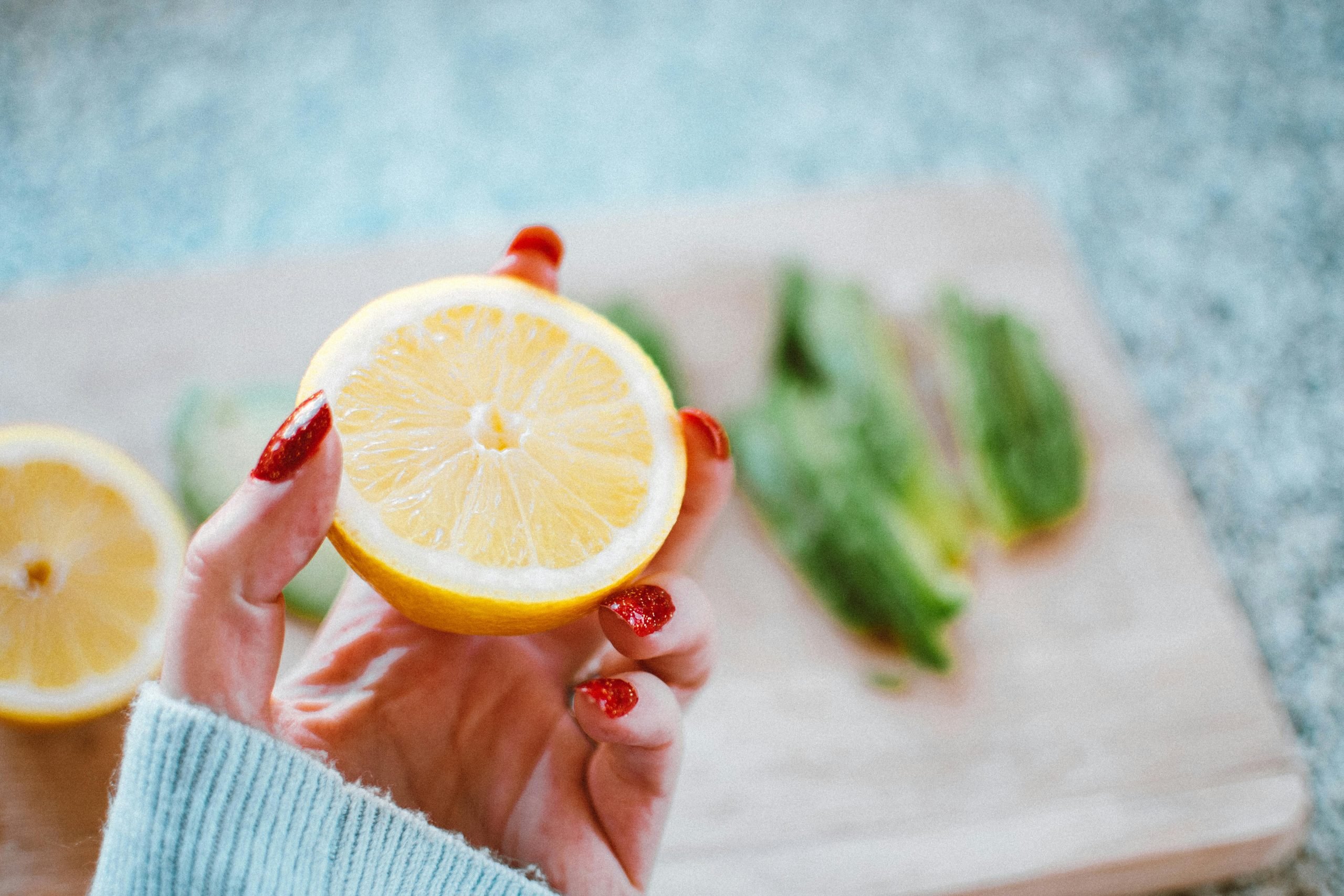
    Our body comprises of 50-70% water, so staying hydrated is extremely important for several bodily functions, including detoxification. Water helps the body flush away toxins and waste through the kidneys. Water also helps to transport nutrients where they’re needed to keep us healthy and functioning. Spring water is the best water to drink because it contains many essential minerals such as magnesium, potassium, and calcium. If drinking spring water isn’t possible, filtered water works too. You can always add a squeeze of lemon to the water to support detoxification or add other fruits and vegetables to make you more prone to drinking.  

    Eating enough antioxidants

    Free radicals are unstable atoms in the body that can cause damage to cells and are linked to different diseases. One unique way to fight off free radicals is through consuming antioxidants. Eating or drinking antioxidants supports the body’s detoxification process and reduces the risk of illness. Antioxidants can be found in fruits and vegetables, some of the highest being berries, broccoli, potatoes, carrots, and pomegranates! Another simple way to boost antioxidants is by taking supplements, specifically NutraChamps Super Greens antioxidant powder! This wholesome blend has over 40 nutrient-rich superfoods and is convenient and easy to use. By just adding one scoop into water, you can reap all of the benefits.

    Avoiding alcohol

    While that glass of wine with dinner every night might seem tempting, this substance has many more negative consequences than positive. Alcohol has been classified as a Group 1 carcinogen and is a toxin. It impacts almost every single organ in the body, including the brain, liver, and lungs. Just by avoiding alcohol alone, the body has a significantly less burden to eliminate and can focus more on regeneration and detoxification.

    Switching to clean household and skincare products

    Some of the most common household-name cleaning and skincare products contain harmful chemicals and toxins. It may not seem like much, but using these products consistently can lead to damage. Ingredients such as parabens, fragrances, and phthalates can disrupt hormones and other body functions. Instead, switching to clean or homemade cleaning products or skincare can make a huge difference in how you feel. There are so many incredible alternatives available now online, which makes it easier to make informed choices. 

    Using supplements to support detoxification

    Sometimes, even though the body knows what to do to detox on its own, it can use a little bit of help from herbs to eliminate pesky toxins. One of our top recommendations for an incredible liver detoxifying supplement is our NutraChamps Liver Detox & Cleanse capsules. This supplement boasts over 25 of nature’s most effective liver detoxifiers. Each capsule contains ingredients such as milk thistle, dandelion root extract, artichoke extract, and much more. A thriving liver leaves room for energy and vitality!


    All in all, it’s important to be mindful of the amount of toxins we may encounter daily. By making choices that limit the load of exposure to harmful chemicals or heavy metals, we can take control of our health and allow the body to detox in the way it knows best. 


  • Optimize The Four Phases of Your Cycle With These Foods and Supplements!

    Optimize The Four Phases of Your Cycle With These Foods and Supplements!

    Much like the Earth’s changing seasons, a woman’s body goes through different cycles throughout most of her lifetime. When a woman first gets her period, this is the start of a long journey of many changes a woman’s body will go through. Every month, a woman’s body prepares for pregnancy, and if pregnancy does not occur it results in menstruation. During this time the uterus lining sheds and flows out of the vagina. While the menstrual part of the cycle might be the most visibly noticeable, the three other phases of a woman’s cycle within a month are important and have a role to play. The total four phases of a cycle include:

    1. Menstruation
    2. The follicular phase
    3. Ovulation
    4. The luteal phase

    In this blog post, we’re going to break down what is happening internally in each phase of the cycle and how you can optimize how you feel by integrating specific foods and tools to feel your best! 

    What is cycle syncing?

    As a woman, you’ve probably experienced fluctuations in your mood, energy levels, and interests over the course of the month. It can almost feel like we have four different versions of ourselves and change is occurring in cycles. All of this is normal, as our body goes through changes on the inside that we simply cannot see. Cycle syncing is simply about adapting health and lifestyle habits towards each phase of the cycle in order to optimize how you feel. Hormonal changes occur in each phase of a woman’s cycle, and knowing what phase your in can give you the empowerment to make choices that are in alignment with your health during this time. 

    Menstrural phase

    Day one of your period is the first day of the menstrual cycle. During this time estrogen and progesterone levels drop in the body. Getting your period can often result in different symptoms from month to month, some of the most common include:

    • Cramping
    • Bloating
    • Mood swings
    • Headaches
    • Irritability
    • Headaches
    • Lower back pain

    At this time of the cycle keeping your body satiated with nutrient dense foods and opting for lower intensity exercises such as walking or yoga can be some of the best options to feel better. In terms of what foods to focus on, experts suggest eating more iron rich foods, since this is a nutrient that can be lost with blood. Some good examples of iron rich foods include: spinach, legumes, turkey, quinoa, broccoli, tofu, and even dark chocolate! At this time of the cycle, many women are prone to being in a low-energy state which also makes it a good time for self-care and engaging in journaling, meditation, and breathing.

    Follicular phase

    The follicular phase starts on the first day of your period and lasts about 14 days (2 weeks) until the ovulatory phase. This is the longest phase of the cycle and internally this is the time that fluid filled sacs called follicles house immature eggs in the ovaries. During this time estrogen begins to increase and with that, energy levels and overall mood begins to improve. After mensuration stops, you’ll start to feel like your more energetic self again! This is a good time within the cycle to start engaging in higher intensity workouts such as HIIT, boxing, strength training, and running. This time of the cycle is about reset and recovery, a great time to focus on getting adequate amounts of protein in the diet. Complex carbs and Vitamin B rich foods are also suggested at this time to help with boosting energy and mood. Some of the top food suggestions at this time are:

    • Flax seeds/pumpkin seeds
    • Green leafy vegetables
    • Avocado
    • Olive Oil
    • Sweet Potato
    • Eggs
    • Lean protein (chicken, turkey, beef)

    With the shift in energy levels and happier mood, this is the time of the cycle where you might feel more upbeat and willing to socialize, try new hobbies or classes, and plan some date nights!

    Ovulation phase

    Ovulation occurs around the middle of the 4 cycles. The time where the body is the most fertile and chances of pregnancy are higher. Ovulation happens when a mature egg is released from the ovary and has the potential to be fertilized by sperm, resulting in new life. Some of the symptoms you might notice during this time of the cycle include:

    • Cervical mucus changes
    • Heightened senses
    • Heightened sex drive
    • Breast tenderness
    • Mild abdominal pain

    The high levels of estrogen at this time may also make you feel more social, flirtatious, confident, and beautiful. At this time the skin is likely to look brighter and even make your skin glow. In terms of diet and lifestyle at this time of the cycle, focusing on fibre rich and hydrating foods are a great choice. Fibre rich foods help to flush out any excess estrogen that the body doesn’t need. Eating lots of fresh vegetables and fruits are a great choice. 

    Luteal phase

    This part of the phase occurs the day after ovulation until the period arrives. During this time the body prepares the uterus for pregnancy by thickening the lining. The ovaries make progesterone during this phase of the cycle and some of the roles that progesterone play in the body as a messenger include:

    • Thickening of the uterus lining 
    • Regulating bleeding 
    • Supporting pregnancy if conception occurs
    • Support of thyroid function

    During this part of the phase, symptoms of PMS can be common which include: mood changes, tender breasts, acne breakouts, cravings, and even bloating. During this time of the cycle, foods that best support the body and your hormones should be high in magnesium, zinc, and Vitamin C. Some great options include nuts, seeds, beans, oysters, citrus fruits, dark chocolate, and bananas. Progesterone may cause blood sugar to dip which can result in anxiety and heightened emotions. For this reason, balancing blood sugar levels are essential! In terms of movement, experts recommend lower intensity workouts with longer recovery times. Some good examples can be yoga, pilates, and swimming.


    Without knowing how our cycles work, we can feel left in the dark about why we feel the symptoms we do. On the other hand, by understanding what is actually happening internally, we can make empowered choices when it comes to our diet, lifestyle, and workouts resulting in us woking with our cycles instead of against it. One of the best pieces of advice we can give is to actually tune in and listen to your body. It’s always giving little signs and cues about what it needs. Pay attention to how you feel after what you consume and make choices that tends to your garden!

  • What Does it Mean to Heal, Holistically?

    What Does it Mean to Heal, Holistically?

    As a species, how we relate to optimal health & wellness is constantly changing and evolving. In the last couple of centuries, Western medicine has put a majority of effort and focus towards treating symptoms within humans, instead of the root cause. There are a number of factors as to why this is, but nonetheless, it doesn’t get to the bottom of our troubles. Our bodies and systems are complex. Therefore, the approach we take toward our health and healing can’t be looked at as black and white. True healthcare is about looking at human beings with a holistic approach. Oftentimes, disease and sickness in the body manifest as a result of several underlying factors which can include psychological, emotional, spiritual, and even environmental causes. Most of the time, things don’t just happen randomly. What this means is that the more we understand how important it is to take a holistic approach in our wellness, the more we can empower ourselves and prevent illness. In this blog post, we’re going to get into some of the fundamental ways you can take control of your health in a holistic way, beginning to heal from the roots. 

    What is holistic health?

    The definition of holistic is, “emphasizing the organic or functional relation between parts and the whole.” When it comes to holistic medicine, it’s about looking at the whole person for answers – not just the physical symptoms that are present. There are about seven main pillars of holistic health in our modern world that should be taken into consideration when looking at the health of one’s self or another individual. These pillars include:

    • Physical wellbeing 
    • Mental wellbeing
    • Emotional wellbeing
    • Social wellbeing
    • Spiritual wellbeing
    • Environmental wellbeing
    • Occupational wellbeing

    Finding balance in these areas is crucial to ensure that you are supporting yourself in the best ways possible. We are going to go into detail in each one of these areas so you can implement tips that will allow you to start living better and feeling better.

    Physical wellbeing

    When it comes to our physical wellbeing, we have more control than we think over how we feel based on the daily lifestyle choices we make. How we physically feel in our body is often directly correlated to the foods we’re eating, the amount of physical activity we’re doing, the sleep we’re getting, and the behaviors we choose to engage in. Diet alone can make a massive difference in physical wellbeing. Opting for a whole, balanced diet is always the best rule of thumb when nourishing your body from the inside. An emphasis on diverse vegetables, fruits rich in antioxidants, and quality protein can start to change how you feel on a daily basis. Another important aspect of physical wellbeing is moving the body and exercising. Exercising does so much for our health from keeping the heart healthy, blood pumping, detoxifying through sweat, and even improving mood. Without regular exercise, physical well-being is impacted. 

    Mental wellbeing

    Another very important aspect of holistic health is our mental state and well-being. Mental wellbeing is the ability to cope with the stresses of life and the ability for an individual to realize his or her own abilities. In a good state of mental health you may feel more positive, confident, hopeful, and generally satisfied with life. Good mental health also means feeling connected to others and feeling purposeful within your community. Some of the ways we can positively impact our mental wellbeing are by practicing mindfulness (being in the present moment and cultivating awareness), connecting with others, giving to others, getting enough sleep, and creating balance in life.

    Emotional wellbeing

    Mental wellbeing and emotional wellbeing are like two branches from the same tree. Although they seem quite similar on the surface, they’re quite unique in their own ways. Emotional wellbeing is all about the ability to manage one’s moods and feelings. While mental wellbeing is interconnected with emotional wellbeing, they are both managed differently. Emotional wellbeing imbalances can show up as depression, stress, low self-esteem, and anxiety. It could even show up as drastic mood changes and the inability to express one’s feelings. The good news is that there are simple daily things you can do to improve your emotional wellbeing. Some activities which support emotional wellbeing include: Expressing feelings through writing, talking about worries with a loved one or therapist, developing positive coping skills such as meditation, and indulging in self-care.

    Social wellbeing

    Human beings are social creatures. In fact, studies have shown that loneliness and social isolation can actually impact someone’s health negatively. We crave connection because it is vital for our survival. Not only were we all raised with other humans but we must learn to work in teams. Poor social wellbeing can show up in different ways such as feelings of disconnection, loneliness, and lack of meaningful connection. Luckily, there are a number of ways to improve social wellbeing and foster strong connections with others. Some of the ways you can become more social are by joining a gym or fitness classes, volunteering, and making time for your friendships! By regularly making time to connect with others you will fill your cup and feel more connected.

    Spiritual wellbeing

    Spiritual wellbeing means can look different for everyone. Spirituality doesn’t necessarily mean you need to believe or follow an organized religion or set of beliefs. Spiritual wellbeing is deeply personal and unique to every individual; at the core it is about fostering a connection with yourself and the world around you. Spiritual wellness is being self-aware, finding purpose in life, and feeling grounded to who you are. When it comes to improving spiritual wellbeing, it’s all about creating micro moments of connection throughout the day. Some ways you can become more connected to yourself include being in nature, journaling, meditating, listening to music, creating art, and expressing yourself.

    Environmental wellbeing

    When many of us think about wellbeing, environmental wellness may not be the very first thing that comes to mind but it is definitely an essential pillar for our health. Environmental wellness is about the relationship between an individual and their surroundings. Think about the places in your life where you spend the most time whether that be school, work, your home, or elsewhere. Is the space you reside in within these environments one that brings you peace and happiness? Or does the places and spaces you spend your time in add stress to your life? Some of the ways you can improve your environmental wellbeing is by maintaining a clean space, prioritizing daylight, engaging the senses with some essential oils, or even adding things to the space that make you happy. 

    Occupational wellbeing

    We spend a lot of our week at the workplace – whether that be in the office or beyond, therefore making sure our place of occupation promotes wellbeing is very important. Occupational wellness is also about the ability to achieve balance between work and leisure. Overworking can lead to burnout which impacts health in variety of different ways. Although there are many occupational wellness factors which are out of our control, there are things we can do to take action in this area of life. Some ways to promote occupational wellbeing can include:

    • Engaging in motivating and interesting work
    • Creating connections with co-workers
    • Increasing knowledge in skills within what you find interesting about your job
    • Looking for or finding something new if you aren’t happy with your current role

    All in all, when it comes to our health, it is important to take a good look at each of these pillars in order to ensure that there’s balance and harmony. If one area of health is neglected, it can tend to impact every other area of health. At the end of the day, our health is the most important thing that we have. It allows us to live happily and meaningful lives! Take care of your body, it’s the place you call home.

  • 5 Reasons You Should Drink Your Greens!

    5 Reasons You Should Drink Your Greens!

    Think of your body like an engine, for it to run smoothly, it needs fuel. Human beings need energy for everything we do – jumping, swimming, working, running, walking, and playing. To keep our cells, organs, and body healthy, proper vitamins and nutrients are critical. Humans get vitamins and nutrients from the foods we eat, and some of the most beneficial foods for our health have and always will be whole fruits and vegetables. In our modern world, it can be challenging to consume enough fruits and vegetables throughout the day with our busy schedules and lifestyles. The good news is that more options are available than ever to ensure we get the nutrients we need to thrive! At NutraChamps, we created Super Greens to fill in the gaps missing in our diets. We created a wholesome blend of antioxidants, greens, probiotics, and digestive enzymes in one mixable scoop. There is a long list of reasons why we think you should drink your greens, but in this article, we’re going to share our top 5!

    If you want to know more about the 5 main reasons you should drink your greens then keep on reading.

    1. Greens boost your energy levels!

    Today, more than ever before, it’s easy to find some quick fixes when it comes to getting an energy boost, whether it be from energy drinks, caffeine, or sugary drinks and food. The problem is that many of these quick fixes come with some gnarly side effects, including an eventual crash. What we love about drinking greens is that the energy boost you receive is not only natural & healthy but longer lasting! Green vegetables are rich in vitamins such as A, C, E, K, and even B vitamins which are all essential for converting food into energy. The green vegetables and fruits that are in NutraChamps super greens powder are also high in Vitamin C which provides an almost instant boost in energy.

    2. Drinking Super Greens supports bloating & gut health

    Bloating is never fun. It can be an uncomfortable, painful, and annoying sensation to deal with. One of the things that we love about drinking greens is that they contain natural and added digestive enzymes, probiotics, and prebiotics to support gut health! Enzymes help to break down complex carbs, protein, and fats, leaving the body with less bloat. Another way that greens powders support gut health is due to the fact that they’re high in fibre! Although greens powders are not a complete substitute for a well-balanced diet, they certainly help to provide a little extra love to the gut and all of its processes.

    3. It’s quick & convenient

    One of the best things about a greens powder is the fact that you can get your whole serving of vegetables and antioxidants in one single scoop mixed with water! Depending on the greens powder you buy, a variety of greens and fruits that you wouldn’t be able to consume in one single day are in there. For example, our NutraChamps Super Greens contain over 40 nutritional superfoods such as Wheat Grass, Broccoli, Spinach, Kale, Apple, Blueberry, and Raspberry!

    4. Greens taste great!

    Let’s be real, eating a bunch of veggies, especially in their raw state might not be your cup of tea or taste the best. One of the things that we love most about greens powders is that they taste great mixed into water, juices, or smoothies. Many greens powder blends, especially our NutraChamps Super Greens (antioxidant, original, and unflavored) are so smooth and easy to drink. We’ve perfected the blend to taste delicious and you wouldn’t even guess that each scoop is packed with so many vegetables and fruits. 

    5. It’s high in powerful antioxidants

    You might have heard of antioxidants before and maybe even know that they’re good for the body, but do you know why? Well, antioxidants help to reduce the risk of diseases by fighting off free radicals in the body. They keep our cells thriving and working at their best. When it comes to our Super Greens, each serving contains 4000 mg of Organic antioxidants, all of them coming from whole fruits and vegetables such as carrot, goji berry, acai berry, and more! 


    Whether you’re a Mom who’s on the go, a student with a busy studying schedule, or simply don’t have enough hours in the day to get enough fruits and vegetables then utilizing a greens powder might just be for you. To shop our selection of NutraChamps super greens powder, visit our website and find a flavor that suits you and your lifestyle best! Cheers to health!

  • Breaking the Cycle: Overcoming Emotional Eating with Mindful Practices

    Breaking the Cycle: Overcoming Emotional Eating with Mindful Practices

    In today’s modern era, many people struggle with emotional eating. It has become a very common habit and coping mechanism. Emotional eating involves eating food not because of hunger, but due to emotional fluctuations. These emotional triggers may be stress, anxiety or just boredom. 

    Now if you are wondering why emotional eating is considered as a problem, then you should know that it leads to weight gain, poor nutrition and an overall negative impact to your body and relationship with food. You eat food because you like it, but if it has become a problem, you feel guilty of eating food which isn’t a good sign. Hence, in this blog, we are going to discuss how you can incorporate mindfulness and healthy nutrition choices in your lifestyle. So let’s learn how to overcome emotional eating with mindful practices and break the cycle of guilt with food.

     Mindfulness and Emotional Eating

    It’s important that we discuss mindfulness and emotions. If you are not aware of what mindfulness means, then let’s start from unpacking the basics. Mindfulness is the practice of being present and aware of what you think and feel. To stop emotional eating, mindfulness can help as it can make you more conscious about what triggers you to overeat. Accordingly, you can make the right decisions about what needs to be done and how much you should eat. 

    The more you’re conscious, the better decisions you will make for your health. There are multiple mindfulness techniques like meditation, deep breathing etc which can help you to quell food cravings. You can also feel improvement in your mental health issues like stress and anxiety when you perform these activities with proper routine. When these feelings are reduced, your cause for emotional eating is getting eliminated. By being more present and aware of your emotions, you don’t have to use food for coping with your issues, you can find other healthier alternatives that actually help without any side effects.

    How to Reduce Emotional Eating with Mindfulness

    To be able to deal with emotional eating you must first know what it is and what it isn’t. Emotional eating is eating because of an emotional reason, as opposed to eating because of physical hunger. It’s not about the once-in-a-while treat during a celebration or having some more food during holiday seasons; it represents the situation when eating becomes the main way to cope with emotions. Acknowledging the dissimilarity between emotional hunger and physical hunger is the initial stage in stopping this cycle.

    1. Recognize your triggers

    The first practice that requires mindfulness is to recognize what exactly causes you to eat when you are not hungry. Is it stress, boredom, fatigue, sadness or something else? Keep a food journal where you don’t just list what you eat but also write down how you feel before and after eating. It can be of help in recognizing patterns and emotional triggers among them. 


    2. Adopt healthy coping mechanisms

    When you are able to identify your triggers, focus on finding better ways to react to them. If stress is the main cause that makes you overeat, you can try yoga, meditation or deep breathing exercises instead. If loneliness is the issue, give a friend a call, join a club or volunteer. An important step in stopping emotional eating and thus decelerating the obesity pandemic is replacing unhealthy coping mechanisms with healthy ones.

    3. Practice Mindful Eating

    Mindful eating helps in being completely conscious of what and how you eat- focusing on the taste, texture, and aroma of the food, reading any thoughts, feelings or sensations during the meal. It helps you to gradually enjoy what you are eating and identify when it is enough and also how quickly you are eating. The following are ways on how to start: 

    • Eat at a slow pace without distractions.
    • Acknowledge the difference of what your body requires and what you feel like to distress.

    4. Embrace Your Feelings 

    One reason why emotional eating is still prevalent is the unacceptance or incapability of dealing with unpleasant feelings. Mindfulness could be a way to stop impulsive eating caused by negative emotions and instead it’s important to know how to deal with discomfiting emotions without acting on them. Meditation as well as breathing exercises can increase your emotional resilience so that you are able to feel your emotions without judging them

    5. Forgive Yourself

    Stopping the round of emotional eating is not about being perfect, it is about making progress. If you make a mistake, forgive yourself. Negative self-talk may as well support emotional eating so show self-kindness. Remember that every meal that you take is another chance to live mindfully.


    6. If You Need it, Ask for Professional Help 

    Sometimes what lies behind your emotional eating habits is something that goes beyond what mindfulness can provide help with. Therapists who are trained specifically in cognitive behavioral therapy or eating disorders will give you strategies and support that are very well tailored to your needs.

    7. Be a Member of a Support Group 

    Sharing with others in similar situations will give you that push, increase your responsibility level and provide you with new coping strategies. Support groups can be invaluable whether they are online or in person.

    Conclusion

    Emotional eating can only be stopped by self-searching and mindfulness. If you can identify your triggers, practice mindful eating, let your emotions be, and get support when need be, you will be able to have a better relationship with food and gradually transform your eating habits. Keep in mind that the purpose is not to achieve perfection but to progressively adopt healthier alternatives.