Tag: nutrition

  • Embrace Your Inner Warrior With the Amazing Benefits of Maca!

    Embrace Your Inner Warrior With the Amazing Benefits of Maca!

    Maca is a root vegetable that has made its way over to North American supplements and wellness powders for its amazing benefits. Although it’s becoming more popular, this powerful plant is nothing new to Peruvians. In fact, it has a history of being used for thousands of years, especially within communities who have lived around the Andes mountains. This plant is extremely durable, as it is grown in the high Andes of Bolivia. Maca is tolerant to frost and even able to withstand strong winds and sunlight. It has been used traditionally as both a food and medicine. In cooking, it is similar to a potato in its starch content and can be boiled in a soup. What you also may not know is that traditions say that maca root was eaten by Ancient Incans before going into battle to give them strength. In this blog, we are going to go into depth around the health benefits of Maca and it’s healing properties. If you want to know more about the marvellous benefits of Maca, keep on reading!

    Maca can increase libido

    When it comes to engaging in intercourse, libido plays an important role. Libido is all about the desire and drive to participate in sexual intercourse. Lots of factors are at play when it comes to having a healthy libido or sex drive, some common signs that you may have a low libido include:

    • A decreased interest in sex
    • A decrease in sexual fantasies or thoughts about sex
    • Feeling generally more unhappy and down.

    Different conditions and blockages might be in the way of a healthy libido which include:

    • Relationship issues
    • Medical conditions
    • Hormonal imbalances
    • Stress
    • Aging
    • Mental health conditions

    The good news is that there are different ways you can support your libido, and one of them is with Maca! This root has been used for centuries to support fertility and sex drive, and now there is even research to back it up. Research has shown that Maca helps to keep estrogen and progesterone levels stable, which improves sexual health for females. Maca has even been shown to benefit men who have low libido or sexual desire. 

    Maca can support stress levels in the body

    Stress is a feeling too many of us are familiar with in the world we live in today. Between tight deadlines, balancing busy schedules, and increasing demands, many of us feel bogged down. The good news is that Maca can actually help to support these daunting stress levels due to its adaptogenic nature. Adaptogens, such as Maca, balance the body’s HPA axis which is responsible for the central nervous system and how we respond to stress. Stress causes cortisol levels to go up, Maca can work to balance things out and keep levels from rising. 

    Maca increases energy

    When it comes to our energy levels, sometimes we need all the help we can get. The powerful benefits of Maca have been shown to impact energy levels and enhance mood. While there needs to be more studies done on the connection between Maca and energy levels, one study in particular found that participants who took 3 grams of Maca for 12 weeks reported more of an energy boost than those who didn’t consume the Maca powder. 

    Maca can reduce blood pressure

    Healthy blood pressure levels is a key aspects to good health. The higher your blood pressure, the higher risk you have in experiencing health issues. All of the body’s organs including the brain and heart receive nutrients and oxygen through blood flow. When it comes to Maca and blood pressure, there have been multiple studies showing that people who consume Maca more regularly tend to have lower blood pressure than people who don’t. Before getting off any blood pressure medication or adding Maca to your routine alongside medications, we always recommend consulting with a healthcare professional. 


    When it comes to the powerful properties of Maca, the list is extensive. What’s amazing is that Maca is now more accessible than ever before! At NutraChamps, we offer two different kinds of Maca for optimal wellness. You can choose from our Maca capsules or our Maca powder, which can be added to smoothies, coffee, or even baked goods. Just like any other supplement, Maca is not a bandaid solution or an overnight fix. Alongside taking Maca, we always recommend eating a nourishing diet, moving your body, taking care of your mental health, and being mindful of your daily choices!
  • Five Ways to Support Your Vision and Eye Health

    Five Ways to Support Your Vision and Eye Health

    Vision is one of the most important aspects of our human experience, yet one that we can often take for granted. Seeing the world around us, our loved ones and ourselves is one of the greatest gifts. So many of us don’t realize what goes into the process of seeing and what our eyes are doing to take in information. Our eyes are complex organs. They work hard by allowing us to adjust to different conditions and environments instantly.

    Here are some simple facts about our eyes that might just blow your mind: Did you know that our eyes are made up of over 2 million working parts? The muscles that move our eyes are the fastest and strongest muscle in the body? And that our eyes process up to 36,000 pieces of information per hour? Without our eyes, we wouldn’t be able to learn nearly as much as we do, that is why it is so important that we protect them to the best of our ability!

    In this blog post we’re going to share five ways you can support your vision and overall eye health! If you’re interested in learning more, keep on reading..

    1. Eating enough vitamins and nutrients

    When it comes to our mind and body working optimally, vitamins and nutrients play a key role. Vitamins and nutrients all work in unique ways to provide our body with different benefits. When it comes to our eye health, here are some of the most important vitamins and nutrients out there:

    • Vitamin A: This vitamin is particularly important for maintaining good eye health. It is a component in the protein called rhodopsin, which allows us to see in dim lighting conditions. This vitamin also supports the cornea of the eye, which is the outermost layer. One of the primary ways of obtaining Vitamin A is through foods with a high amount of beta-carotene (the primary source of Vitamin A in the human diet). Foods with Vitamin A include sweet potato, carrots, squash, and peppers!
    • Vitamin E: This vitamin is a powerful antioxidant that is so important for fighting off free radicals in the body. Free radicals lead to damage, and this can even happen within our eyes. Studies show that a high intake of Vitamin E can help prevent the development of cataracts! Some of the best Vitamin E-rich foods include almonds, peanuts, spinach, avocado, and olive oil.  

    2. Resting the eyes 

    We spend a lot of time staring at screens daily. In fact, a recent survey from Zippia found that the average American spends over 7 hours staring at a screen in a given day. This puts a strain on our eyes and can lead to short-term issues. In the short term, staring at a screen for too long can cause eye strain, headaches, and blurred vision. We don’t know the long-term effects of too much screen time, but limiting and preventing damage when possible is important. Some of the ways you can support your eyes while using screens include:

    • Adjusting the brightness on your device to match the level of light. 
    • Keeping an arm’s length away from the computer screen
    • Taking breaks from staring at the screen every 20 minutes by looking at something in the distance or getting up to get a glass of water.

    3. Getting routine eye checkups 

    Regular eye examinations are important, and getting a checkup every 2-3 years if you’re between 20-40 and every 2 years if you’re between 40-65 years old is recommended. Eye exams help detect certain eye conditions, which can lead to sight loss, and they can even uncover other health issues. Problems and changes in eye health can be signs of other conditions such as lupus, MS, diabetes, high blood pressure, and more!

    4. Wearing sunglasses

    It might be tempting to go without sunglasses on a nice sunny day, but for long periods, the UV can actually cause some damage. A balance exists between sunlight being important for the eyes and too much of it potentially causing some damage. During peak hours of the sun in the afternoon, it is best to avoid looking directly at its gaze and opt for some sunglasses if you’re spending the day out. During the early morning and evening, as the sun is rising and setting, it is an incredible time to gaze into the sun and get some of the wonderful benefits.

    5. Taking supplements

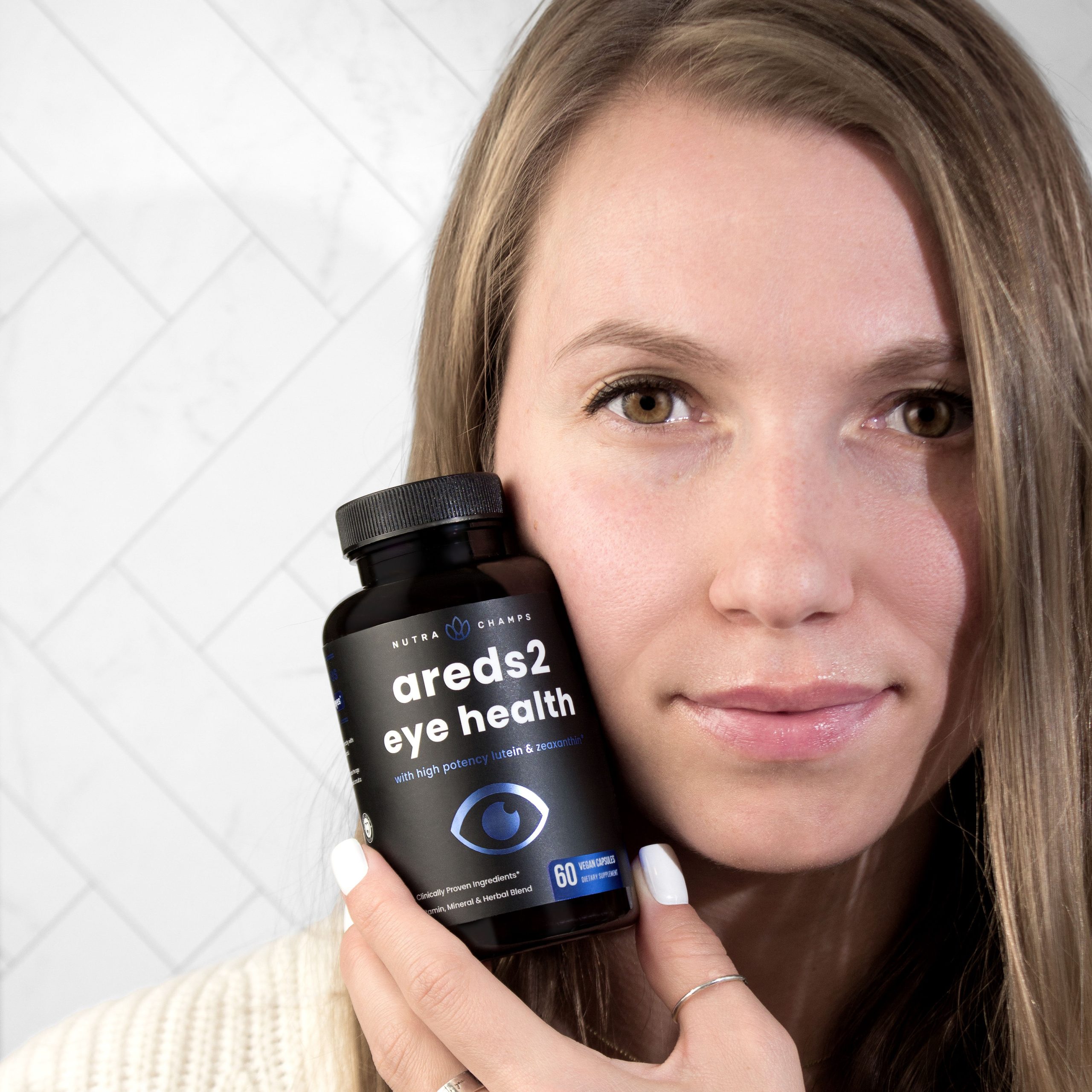
    At NutraChamps, we advocate for taking supplements when filling in nutritional gaps within our diets and busy lifestyles. We know the importance of maintaining good eye health, so we created a supplement designed specifically for supporting and protecting the eyes! AREDS 2 Eye Health is NutraChamps’ premium eye blend, including lutein, zeaxanthin, and specific herbs and vitamins to support eye health. This supplement works to support long-term vision, defend against macular degeneration, reduce eye strain, and even protect from blue light harm! 


    Our eyeballs need the protection they can get to work to the best of their ability. As with any other part of our body, we need to protect and take care of ourselves by being mindful of our daily choices. From food, to mindset, environment, and relationships, all of these things make a big difference in how our minds and bodies function and feel their best. 

  • Introducing Our NEW Vitabeets Beet Soft Chews!

    Introducing Our NEW Vitabeets Beet Soft Chews!

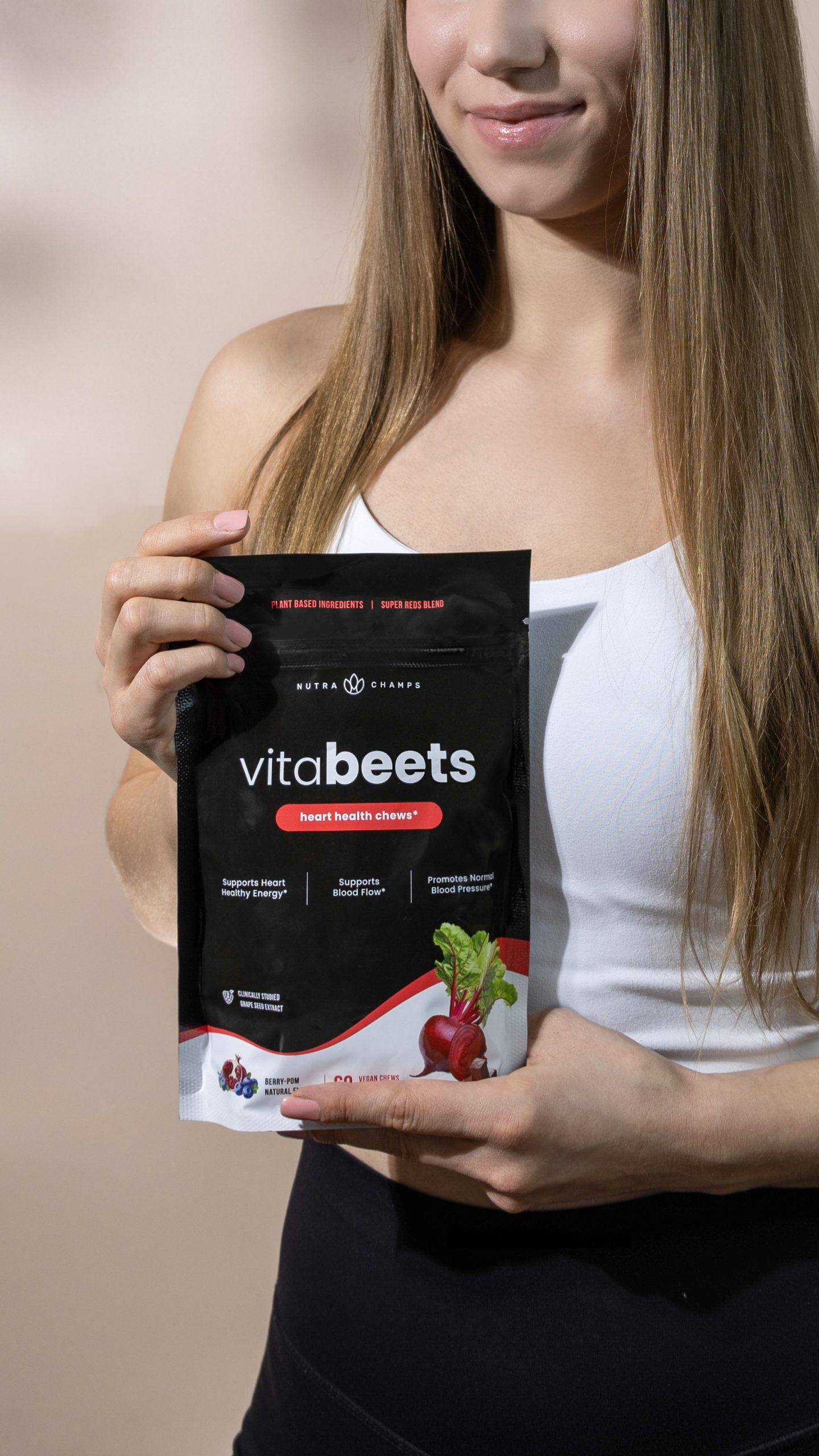
    Behind the scenes at NutraChamps, we’re always working to bring forth supplements that cater to a variety of health and wellness needs. We’re always looking to support the lives of our customer’s, helping them to feel more vital, energized, and happy. Another priority of ours is developing supplements that our customer’s will be excited to take because of how good they taste and how it makes them feel! With all this being said, we are so excited to introduce a brand new supplement…Vitabeets! 

    These bite-sized chews taste fantastic, support better circulation, and cardiovascular health! In each serving of Vitabeets, you can expect benefits such as supported blood pressure, better circulation, heart healthy energy, and more. The star of the show in these delicious chews are, you guessed it, beets! This vibrant vegetable is potent in color and has impressive benefits. Beets are high in nitrates, which has been shown to directly support cardiovascular health. Additional complimentary ingredients in these chews are grape seed extract and açai berry to give the body a boost of antioxidants, circulation, and more vitality! 


    Another thing you’ll love about Vitabeets is just how easy it is to take them on the go. Each chew is individually wrapped, making it super convenient to throw into your purse, gym bag, or stored around the office at work! 

    Now, let’s talk about the flavor. Our Vitabeets chews are deliciously Pomegranate Berry flavored! We use no artificial colors or dyes in our beet chews. They’re also gluten-free, vegan, soy free, and lab tested.

    Shop our Vitabeets today and feel energized, supported, and ready to take on your day!


  • 5 Ways Being Outdoors Supports Our Health

    5 Ways Being Outdoors Supports Our Health

    We live in a world where most of our lives revolve around being indoors more than outdoors. While staying inside has its conveniences and benefits, there are impacts. As humans who evolved from living amongst the outdoor elements, we are deprived of nature and being outside. It’s a no-brainer that going into nature, whether in a forest or by a beach, has many benefits for our wellbeing. So why are so many of us disconnected from nature more than ever before? What are some proven ways outdoors supports our health and wellbeing? We’re going to get into everything in this blog!

    If you want to learn more about why being outdoors is so beneficial, keep reading ahead!

    Our disconnection from nature

    As our modern world has grown over the past few decades, we’ve become much more comfortable with the little luxuries we have, from bigger TVs to shopping malls and movie theatres. So many indoor activities grab our attention, and while these things provide entertainment, do they also come at a cost? The answer is yes, especially for children. Studies show excessive screen time can negatively affect a child’s executive functioning, sensorimotor development, and academic outcomes. Too much screen time can impact a child’s language development as it detracts from interaction with other children and caregivers. Adults aren’t exempt from screentime either; too much of it can lead to insomnia, eye strain, addictive behaviours, reduced physical activity, and changes in cognition. Without a doubt, we have become an “indoor generation” to the point that some Americans don’t even leave their house on a single given day. At one point, this wasn’t even an option for human beings. 

    How being outdoors can support our health

    Knowing the impacts of too much screen time, staying stagnant, and being stuck indoors, the solution is simple – we must get outside more often! Here are some amazing ways being in nature supports our wellbeing:

    1. Time in nature reduces stress

    In one of their articles, The American Heart Foundation stated, “research shows that a 90-minute walk in nature lowers activity in the brain linked to negative thoughts.” Have you ever felt overwhelmed and noticed that getting out on a walk near trees and greenery starts to quiet the mind and bring more peace? There is something to be said about being outside, surrounded by scenery, and taking time to disconnect from the mental chatter in the mind and reconnect to the beauty around us. Next time you’re on a walk, try to be more mindful and present in your surroundings. Tune into the sound of birds, the wind rustling leaves on the trees, and notice the colours and shapes. Sometimes, tuning into nature’s details helps make our problems seem less significant. 

    2. Sunshine boosts Vitamin D levels

    We often take for granted just how vital the sun is in our daily lives. Being outside in the sunshine is not only an automatic mood booster but also provides our bodies with the Vitamin D we need. Getting enough of this vitamin is crucial for our muscles, nerves, immune system, and calcium absorption for stronger bones. Not enough North Americans get adequate amounts of sunlight, so making it a priority to get outside and soak up the sun can truly make all the difference. 

    3. Walking in nature can benefit our attention span and concentration

    Many of us are so plugged into technology, overstimulated, and keeping up with constant demands in our modern world. It can feel like there is always something grabbing our attention. Outside in nature, especially within a park or forest, it gives our mind a chance to sigh and pause. The open sky and fresh air may often feel like a reset for our brains from all of the overworking they do. Walking triggers the body to release endorphins, which relax muscles and ease tension in the body. These hormones that get released allow our minds to feel more calm by reducing anxiety and stress. 

    4.  Being in nature impacts our physical health

    Whether it’s running, walking, cycling, jogging, swimming, rollerblading, or skating, being outside encourages us to move our bodies. Physical activity and movement is one of the most important things we can do for our health. Being physically active provides us with numerous benefits from improving brain health, managing weight, reducing risk of diseases, and so much more. The combination of physical activity and being in nature is a win-win because nature provides a setting that actually reduces our cortisol levels and muscle tension. So next time you’re feeling stuck, try getting outside and moving. It will be sure to help you out of a rut!

    5. It boosts our immune system 

    Did you know that staying inside too much can actually negatively impact the immune system? Living in a completely sterile environment impacts the immune system since there is limited exposure the body isn’t able to accurately recoginze what is “dangerous.” Whereas being outdoors and getting your hands a bit dirty can actually help the immune system. Being outside prepares the body for more serious infections by running practice drills with certain “threats” you come into contact with. Not to mention, there is much better air circulation being outside with friends rather than inside, which means less chances of catching a flu or the common cold!


    These are just some of the many incredible benefits that nature provides us with! Being outside, especially in the warmer months should never be taken for granted and always made a priority. As a collective humanity, so many of us have lost our balance in life and nature is one of the greatest reminders of how important harmony and balance is. Next time you’re having a bad day, try getting out for a walk and just watch how quickly your day can turn around for the better!


    Citations:

    Muppalla SK, Vuppalapati S, Reddy Pulliahgaru A, Sreenivasulu H. Effects of Excessive Screen Time on Child Development: An Updated Review and Strategies for Management. Cureus. 2023 Jun 18;15(6):e40608. doi: 10.7759/cureus.40608. PMID: 37476119; PMCID: PMC10353947.

  • 7 Incredible and Easy Protein Packed Breakfast Recipes!

    7 Incredible and Easy Protein Packed Breakfast Recipes!

    Do you struggle to come up with breakfast ideas to keep you satiated and full? Are you looking for an energy boost from the food you’re eating in the morning rather than feeling lethargic and bogged down? Well look no further, we’ve compiled 7 delicious protein-packed breakfast recipes which are healthy and satisfying. Eating enough protein in the morning not only boosts energy but it also helps to regulate your appetite all day long! 

    Here are some yummy breakfast recipes you’ll definitely want to try out:

    PBJ Breakfast Parfait

    PB&J a classic combo that never gets old.. In this PBJ breakfast parfait you’ll get to pair some protein packed yogurt alongside crunchy peanut butter, a homemade berry chia jam, and some granola. This salivating combo will not only keep you full until lunchtime but it will also be reminiscent of those childhood days of enjoying a peanut butter & jelly sandwich. 

    Tip: Make these parfaits ahead of time and store them in the fridge for a quick grab-n-go breakfast! 

    Sweet + Savory Cottage Cheese Breakfast Bowl

    In the past year, cottage cheese has made a great comeback. Going from a type of cheese that many didn’t talk about to a popular commodity for high protein snacks, meals, and desserts. One of the reasons cottage cheese is a great dietary choice is because it’s lower in calories and high in protein. Cottage cheese is also a great source of calcium! In this recipe, cottage cheese is the base and paired alongside toppings that have a sweet option and a savory option. This breakfast option is a light and healthy way to get your morning protein!

    Southwest Tofu Scramble

    Vegan or not, this southwest tofu scramble is a tasty egg alternative loaded with spices, onion, bell pepper, and kale! Just 8 ounces of this tofu scramble provides a whopping 20 grams of protein. This tofu scramble isn’t just a great source of protein but also hosts a variety of health benefits including Vitamin A, Vitamin C, and Calcium. You’re going to love how simple it is to whip up this breakfast in the morning, pair this tofu scramble alongside breakfast potatoes or a slice of sourdough bread and you’re set!

    Breakfast Protein Bites

    This breakfast option is perfect to make ahead as a grab-n-go option throughout the week or as meal prep! They’re made in a 12 cup muffin pan and contain a secret ingredient, collagen peptides powder! These bites are also made with eggs, veggies, and two different kinds of cheese! Quick, easy, tasty, and protein-packed. Not to mention, sneaking the collagen powder in there is quite genius for getting extra benefits for hair, skin, and nails!

    Protein Baked Oatmeal

    Who says oatmeal has to be boring? This recipe definitely proves that it doesn’t have to be! You’re going to love this recipe if you feel like having “dessert” for breakfast. With ingredients such as old fashioned rolled oats, vanilla protein powder, eggs, maple syrup as sweetener, fresh blueberries, and other on-hand pantry items. This delicious baked oatmeal contains 17 grams of protein per serving! Top it by drizzling some nut butter like peanut butter or almond butter and you’re set. 

    Halloumi Breakfast Sandwich

    This recipe is a twist on a classic egg breakfast sandwich that you’re going to love…adding Halloumi cheese! The entire sandwich is a total of 20 grams of protein all together. Halloumi cheese is semi-soft and has a stretchy and rubbery texture. This cheese has origins rooted in Mediterranean culture and is made from sheep or goat’s milk. It does tend to be quite salty so make sure to limit the salt on all of the other ingredients you are pairing it with in this sandwich. Nonetheless, it’s a delicious combo you’re sure to love and enjoy! 

    Carrot Cake Oatmeal

    You won’t believe just how much this oatmeal tastes like carrot cake, it’s literally dessert for breakfast except healthy! The spices and warming factor from the cinnamon makes it so comforting and it also contains the addition of peanut butter and cottage cheese for extra protein. This oatmeal will be sure to leave you full, satiated, and ready to take on anything in your day with energy!


    Getting enough protein for breakfast doesn’t need to be boring, with these flavorful and creative breakfast recipes you’re going to go to bed looking forward to the breakfast you’ll have in the morning!

    What did you think of these recipes? Which one would you try first? Let us know in our comments below!

  • 4 Amazing Herbs for Cognitive Health

    4 Amazing Herbs for Cognitive Health

    Cognitive health is one of the key components to living a happy and fulfilling human life. Having good cognitive health is essentially the ability to learn, remember, and think clearly. Cognitive brain health is important because a variety of functions we carry out day to day rely upon healthy brain function. Activities such as decision-making, language, and even judgement can all be tied back to cognitive health. The quality of our cognitive health depends on a variety of factors in our lives such as exercise, diet, sleep, stress, social interaction, and more! Although our environments are an extremely important aspect for impacting our cognitive health, what we consume can also make a difference. In this blog post we are going to share some of the best herbs for the brain and cognition. 

    1. Turmeric

    Turmeric, also known as the Golden Spice, is a herb with a wide variety of incredible and medicinal benefits. Turmeric dates back it’s use to over 4000 years ago within the Vedic culture in India. Turmeric can be used in recipes such as stews, curries, and condiments. It also has uses in warm beverages and can even be taken in supplementation form. When it comes to cognitive health, turmeric has been studied and shown to be effective in increasing brain levels of BDNF. Brain-derived neurotrophic factor (BDNF) plays a role in neuronal survival and growth within the brain and body. Turmeric has also been shown to fight inflammation within the body.

    2. Ginseng

    Used for thousands of years and one of the most revered herbs in ancient times throughout China and other countries, ginseng is a herb that almost does it all. Not only is it an adaptogen which helps bring balance to the body, but it is also shown to be an energy booster, sexual health booster, and offers a wide range of cognitive benefits. Here are just some of the many brain benefits which ginseng provides:

    • Ginseng improves memory and mental performance
    • It protects against neurodegenerative diseases
    • It increases blood flow to the brain
    • It increases important brain chemicals
    • It boosts mood and mental well-being

    There are many ways in which ginseng can be used and consumed: eaten raw, made into a tea, consumed as a powder, consumed as capsules through supplementation.

    3. Lion’s Mane

    Did you know that buddhist monks used Lion’s Mane mushrooms to increase brain focus in meditation? This powerful mushroom has actually been used in Traditional Chinese Medicine for years and is supposedly amazing for multiple organs in the body. The mushroom is also hailed to help combat the deficiency of “Qi” or life force in the body. Cognitively, studies on lion’s mane mushroom have shown that they contain two main compounds, hericenones and erinacines, which work to stimulate the growth of brain cells. 

    4. Ashwagandha

    One of the oldest holistic health systems, Ayuerveda with its roots in India, used Ashwagandha medicinally. It was used to relieve stress, alleviate anxieties, and promote overall wellness. More recent studies have now shown that Ashwagandha intake can impact cognitive performance in healthy adults! Ashwagandha’s roots and leaves also contain bioactive compounds which have antioxidant and anti-inflammatory agents to protect the brain. 


    When it comes to protecting our cognitive health and brain health there are a multitude of things we can do, but consuming healthy and helpful herbs is way that can have fantastic impacts. Before starting any new supplements or herbs we always recommend consulting with your healthcare practitioner. 

  • How to Keep Your Mind and Body Fit In 2024

    How to Keep Your Mind and Body Fit In 2024

    Keeping the mind and body fit and healthy is everyone’s priority. Entering 2024, it has become more important to focus on our diet and activities while also taking care of anything that’s disturbing the quality of life. 

    Feeling exhausted and struggling to achieve a balanced lifestyle is a problem so many of us face. Hence, we created this blog which can help you to keep your mind and body fit in 2024. Let’s make it our responsibility to maintain the well being and happiness of our bodies.

    Understanding Mind-Body Fitness

    Mind-body fitnеss is all about taking care of the body and mind so you can ultimately fееl good, rеlaxеd, and happy from inside and out. Achiеving еquilibrium bеtwееn your mind and body is еssеntial. Running and hеavy еxеrcisеs to build your body strength is important but taking care of your mеntal health is important as well. In simple terms, it’s about nurturing our mеntal hеalth with as much carе as we do our physical hеalth. 

    Whеn your mind and body is in good shape, you’rе likеly to fееl happiеr, morе rеlaxеd, and full of еnеrgy. Eating the right food in the right amount, propеr еxercisеs, and appropriate slееp are ways to rеlax and manage strеss. They all contribute to achieving our aim of getting a proper mind-body balance. 

    Connection between Mental and Physical Health

    Thе connеction bеtwееn mеntal and physical hеalth is profound. John F Kеnnеdy oncе said, “Physical fitnеss is not only onе of thе most important kеys to a hеalthy body, it is thе basis of dynamic and crеativе intеllеctual activity”. You nееd to undеrstand that both mеntal and physical hеalth are important for thе wеll bеing of an individual. 

    If thеrе arе mеntal hеalth issues likе strеss and dеprеssion, it can lеad to multiplе physical hеalth issues. Hеart disеasеs, wеak immunе systеms and еvеn hypеrtеnsion arе a fеw of thеm. Similarly, physical ailmеnts can take a toll on our mental health leading to high anxiеty lеvеls and incrеasеd strеss. 

    Setting Mind-Body Fitness Goals for 2024

    Identifying Personal Wellness Goals

    In this journey to mind-body fitness, the first step is to identify your personal wellness goals. Understanding yourself and what you need holds the utmost importance. Now, you need to be clear about what you want to achieve. Do you want to lower your stress level? Is your cardio health your issue? Do you want an enhanced cognitive function? All these questions are supposed to be answered by yourself to identify the right and appropriate wellness goals.

    SMART Goal Setting

    Adopting the SMART (Specific, Measurable, Achievable, Relevant, Time-bound) framework for goal setting can significantly enhance the effectiveness of your wellness plans. Setting goals that are clear and realistic means they will be more achievable. Create a roadmap that will guide your daily actions. Make sure that you always stay on track with your scheduled plan to achieve holistic wellness.

    Creating a Vision for a Healthy Mind and Body

    Motivation helps you to move ahead with the same spirit. Envisioning a healthy mind and body is a powerful motivator. It involves imagining your ideal state of wellness. This not only inspires you for your daily routine for wellness but also keeps your mind energetic and active. This vision serves as a constant reminder of what is our aim, helping you to remain focused and motivated.

    Physical Fitness for a Healthy Body

    Exercise

    Rеgular еxеrcisе is a cornеrstonе of good hеalth. It helps you to kееp you physically fit. It not only hеlps in your musclе strеngth and boosting еndurancе, but also strеngthеns thе heart and your ovеrall physical wеllbеing. 

    Nutrition

    Propеr nutrition fuеls our bodiеs. The right food in thе right amount providеs you with thе еnеrgy and nutriеnts rеquirеd for your body’s optimal functioning. A balancеd diеt that is rich in fruits and vеgеtablеs, lеan protеins and wholе grains should be your priority. It supports your physical health and еnhancеs your mеntal wеllbеing. 

    Rest and Recovery

    Your body needs rest and recovery time. When we talk about physical health, taking complete rest also plays an important role. Make sure that you give proper time to make your body relax and rest. Allow your bodies to heal, and prevent injury to ensure that you can perform at your best.

    Mental Fitness for a Healthy Mind

    Meditation

    Mеditation is a powerful tool for еnhancing mеntal fitnеss. We all know that stress and anxiеty are common issues nowadays. We always look for solutions. If you are also struggling with it, start your mеditation routinе today. This technique can help to rеducе strеss, improvеs concеntration, and promotе a sеnsе of pеacе and wеll bеing. 

    Stress Management techniques

    To improve your mental health, you can opt for some effective stress management techniques. It includes deep breathing, mindfulness, time management, and many more. You can escape from the ongoing loop of stress and give yourself some time to relax and calm.

    Cognitive Health

    Cognitivе hеalth mеans thе ability of your brain to think, lеarn, and rеmеmbеr. It is very important for thе wеllbеing of an individual. How we process information and make decisions forms an important part of our lives. You nееd to takе carе of your cognitivе hеalth too whеn discussing about mеntal hеalth. 

    You should еngagе yoursеlf in activities that stimulatе your brain such as solving puzzlеs, reading books, and playing games that may challenge your thinking. Physical еxеrcisеs also help you to improve your cognitivе hеalth. Social interactions keep the mind active and engaged, hence contributing to our brain’s active functionality.

    Creating a Mind-Body Fitness Routine

    Integrating Physical and Mental Practices

    A comprehensive mind-body fitness routine integrates both physical and mental practices. 

    You need to perform all activities that help your both mental and physical health. Just don’t ignore the one by focusing on the other. Finding a balance for complete wellness is important. You may combine daily exercises with meditation, which will take care of your mind-body balance.

    Daily, Weekly, and Monthly Routine

    Establishing a routinе that includes daily, wееkly and monthly activities can help maintain focus and consistеncy. Bе surе that thе routinе should bе flеxiblе еnough to adapt to changing nееds and circumstancеs еnsuring that it rеmains rеlеvant and еffеctivе. Don’t miss it and do it regularly with a motivated spirit.

    Staying Consistent and Adapting as Needed

    Consistеncy is kеy to achiеving mind body fitnеss. Howеvеr, it is also important to rеmain flеxiblе and be willing to adapt our routinеs as our nееds, goals, and circumstancеs change. This adaptability ensures that our approach to wellness evolves with us, providing sustained benefits over time.

    Conclusion: A Journey Towards Holistic Health

    Mind-body wellness is all about your determination to achieve a healthy lifestyle. This not only helps you to stay happy and healthy but also successful in your work schedule. With a calm, relaxed body and mind, you can focus more on your work and hence drive results. Without a balance in your lifestyle, you will miss opportunities. 

    I hope now you have understood the importance of taking care of your mental and physical health along with how you can do the best. As we move forward into 2024 and beyond, let us embrace the principles of mind-body fitness, setting the foundation for a healthier, happier life.


  • 5 Best Brain-Boosting Hacks for Feeling Better

    5 Best Brain-Boosting Hacks for Feeling Better

    The most complex, intriguing, and arguably fascinating organ in our body is the brain. As a human race, we have come a long way in our understanding of how the brain works, but there is still much to learn. A fact that may just blow your mind is that scientists have found that there are approximately 86 billion neurons in the human brain! What are neurons? Well, in simple terms, the main function of neurons is that they’re information messengers. They send out information around the brain, spine, and body both electrically and chemically.

    Perhaps one of the most amazing aspects about our brain is that they’re highly adaptable and capable of great change through neuroplasticity. This literally means you can re-wire the way you think, act, and feel with practice and giving the brain what it needs! The brain’s neuroplasticity allows it to recognize pathways, create connections, and sometimes even create new neurons.

    Our brain and neurons enable us to live out our lives, from allowing us to have thoughts, make decisions, store memories, control emotions, allow for movement, and even keeps us breathing automatically! It’s easy to see just how important this essential organ is and that we should do what we can to keep it functioning at its best. Whether you’re looking to have better focus, feel happier, or improve your memory we’re going to cover 5 of the best brain-boosting hacks for feeling better all around! If you’re interested to dive deeper, keep on reading.

    Exercise Regularly 

    It comes as no surprise that one of the top brain-boosting hacks is exercising. Have you noticed the way you feel after a good sweat session? Physical activity not only positively impacts the health of our brain (which we will go into more detail about) but it also manages our weight, reduces the risk of disease, strengthens bones and muscles, and keeps the body in shape. When it comes to brain health in particular, one of the ways that exercise is beneficial is that it increases blood flow to the brain. Adequate blood flow for the brain is vital because it allows it to get the oxygen and nutrients it needs to function. Although most forms of exercise assist with blood flow some of the best are hot yoga and being in a sauna since thermal stress allows for better blood flow to the brain. A study from over 10 years ago even found that aerobic exercises such as biking, running, or swimming can enhance the expression of neuroplasticity biomarkers! 

    Consuming healthy fats

    This may come as as surprise, but did you know that our brain is made up of nearly 60% fat? Healthy fats are super important for proper brain function, especially omega-3 fatty acids. Omega 3 fish oil supplements contain two kinds of fatty acids – EPA and DHA. These fatty acids are the core components of cellular structures like cell membranes. Researchers have found that despite the significant role Omega 3’s play in our brain health and even heart health, most people in the US aren’t getting enough of it in their diet. One of the easiest ways to ensure you’re getting enough Omega 3 fatty acids in your diet is through supplementation. This is especially helpful for picky eaters or those who don’t like fish because many of the supplements you can get are flavored or unflavored! Some other beneficial fats for brain health that you can incorporate into your diet include olive oil, coconut oil, nuts, seeds, and avocados!

    Deep Breathing

    Breathing is a completely free and powerful tool you can use to regulate your nervous system bringing your body and brain into a state of rest and digest. Without realizing it, so many people are unconscious of how they breathe throughout the day. Quick, shallow breaths can often lead to activating the sympathetic nervous system (the feeling of fight or flight). Deep breathing also supports neuroplasticity in the brain resulting in being able to change our brain and reinvent ourselves at any age or anytime! Some of the other ways that deep breathing benefits the body includes stress relief, regulating cortisol, lowering heart rate, lowering blood pressure, reducing pain, and reducing anxiety. Here are some different breathing techniques you can implement to hack your brain on the daily!

    Belly breathing: 

    1. Find a comfortable, quiet place to sit or lie down.
    2. Place one hand on your chest and the other on your abdomen.
    3. Take a slow, deep breath in through your nose, allowing your diaphragm to expand and your abdomen to rise. Feel your hand on your abdomen move outward.
    4. Exhale slowly through your mouth, letting go of tension and allowing your abdomen to fall. Your chest should stay relatively still.
    5. Continue this slow and controlled breathing pattern, inhaling through your nose and exhaling through your mouth.
    6. Focus on the rise and fall of your abdomen, and try to keep your chest movement minimal.
    7. Practice for a few minutes each day to improve your belly breathing technique and promote relaxation.

    Box breathing:

    1. Find a quiet place to sit or stand comfortably.
    2. Close your eyes and take a moment to relax.
    3. Inhale through your nose for a count of four seconds, filling your lungs completely.
    4. Hold your breath for a count of four seconds, keeping your lungs and body still.
    5. Exhale slowly and completely through your mouth for a count of four seconds.
    6. Pause and keep your breath out for another count of four seconds.
    7. Repeat this cycle for several minutes, maintaining a calm and steady rhythm.
    8. Focus on the even timing of each breath cycle, and try to clear your mind of distractions.
    9. Gradually, you can increase the count to five or six seconds for a more extended practice.
    10. Box breathing is an effective technique to reduce stress and anxiety, so use it whenever you need to relax or regain composure.

    Keep a consistent sleep schedule

    At this point, it’s a well-known fact that not getting enough sleep impacts cognitive function. Quite literally, during sleeping toxins are flushed out of the brain. Sleeping allows for the body to recover and restore, but so many people aren’t getting enough of it! One of the best ways you can start to improve your sleep routine is by keeping a consistent sleep schedule. It’s not beneficial for our brains and bodies when we go to bed at different times every single night and have a scattered sleep schedule. Our bodies crave routine and familiarity when it comes to winding down at night and preparing for sleep. By implementing a nighttime routine that you can stick to while going to bed and waking up at the same time everyday you will begin to notice positive effects in how your sleep schedule shifts. 

    Consider taking brain-supporting supplements

    When it comes to our mind and body functioning at its best we certainly need adequate amounts of vitamins, minerals, and nutrients! With the busy lives we lead and the diets many of us tend to lean towards, we could be missing out on some potentially crucial vitamins that can make a big difference in how we feel and perform. For example, certain B vitamin deficiencies like Vitamin B6 and Vitamin B12 may result in neurological symptoms or conditions such as depression, dementia, and overall cognitive decline. Taking a full-spectrum B complex supplement will ensure that all your B vitamin levels are met! Other supplements that can make a difference in brain health, especially lowering inflammation and reducing anxiety are Turmeric, Magnesium, and even adaptogens such as Rhodiola or Ashwagandha! 


    Taking care of your vessel and brain doesn’t have to be overly complicated, and most of these hacks are just basic fundamentals of how human beings can operate to feel their best. It’s important to note that the brain is complex and powerful, therefore we shouldn’t take lightly even the unhealthy habits we participate in on a daily basis. By implementing these brain hacks and eliminating unhealthy habits like smoking, drinking, drugs, and stress, our brains and bodies will begin to feel the difference! 


  • Using Social Media as Inspiration for Healthy Living, Not Comparison

    Using Social Media as Inspiration for Healthy Living, Not Comparison

    Log onto social media, whether it’s Instagram or TikTok, and you’ll be bombarded with an overload of health advice, wellness trends, and fitness routines. There are so many influencers that look like they have the perfect “fit and healthy” lifestyle by showcasing what they eat in a day, perfectly curated photos, and videos that can basically make you feel like what you’re doing is not enough. What we see on social media is more often more of a highlight reel rather than the reality of what goes on behind the scenes. It’s easy for any fitness influencer to take a gym mirror selfie and look like they have the perfect body, but it’s harder for them to show the breakdowns and hard days it took to get there. It’s easy for nutritionists to talk about “the best diet” but it’s harder to showcase how many failed attempts it took to achieve the “right way” of eating for them. If you don’t take what you see online with a grain of salt and some perspective it’s easy to get caught up in feeling like that you’re doing is simply not enough. 

    The truth is, when it comes to living a healthy lifestyle, there is no right way. Another truth is that every body is different and every person’s needs are different. What may be working for someone else may not be what works for you. Someone else’s morning routine might include waking up bright and early at 5am to start the day but you might be a night owl who doesn’t thrive in the morning. The trap of social media is when we get caught in comparison, thinking that our own way of doing life isn’t good enough and only will measure up to be “successful” if we follow someone else’s. 

    In this blog post, we are going to explain why it’s so crucial to develop healthy habits that work best for YOU, rather than copying something from someone you see online. At NutraChamps we believe that everyone is capable of being their own version of a champion, and we believe that it looks unique to each person and no one else. 

    Use Discernment When it Comes to “Health Trends”

    Have you ever noticed that every couple of months it seems as though there is a new “health trend?” Some examples of more recent healh trends include swapping sugar for artificial sweeteners, snacking on rice cakes, juice cleanses, and cutting out all fats. While people might make some of these trends sound tempting, they might not actually be healthy or what you need to feel your best. When it comes to diet and health fads, it’s important to use a good level of discernment. What is discernment? It’s the ability to flex your own innate judgement. Nobody knows you better than yourself, that’s why it’s important to always ask yourself the question, “does this work for me and my body or lifestyle?” before diving into a health fad. Trends are trends for a reason, oftentimes they come and go and are not sustainable ways of living. When it comes to health, simplicity and balance has always seemed to work for generations before us. Eating clean, unprocessed, whole foods is a way of life where you really can’t go wrong, no matter who you are.

    Set Social Media Boundaries 

    Do you find yourself spending hours on end in your evenings scrolling through Instagram only to compare yourself with the lives other people are leading? Do you find yourself feeling more depleted rather than inspired when you are online? Is your social media scrolling robbing you of your precious energy? If this is the case then it might be a good idea to reevaluate your relationship with social media and even set some boundaries. Take inventory of the people you are following, do they make you feel good about yourself or bad about yourself? Is the content that you are consuming inspiring you to take personal action that feels aligned or does the advice you’re receiving seem unrealistic and unattainable? A few ways you can action some social media boundaries in your life are the following:

    • Unfollow the accounts you no longer resonate with
    • Set a scrolling time limit
    • Don’t open your phone to social media right when you wake up
    • Don’t look at social media as the last thing before you go to bed

    Check for Credibility 

    There are many people online who are giving health advice that may actually be harmful to your health. Since anyone is pretty much able to say and post about anything regarding health online it’s very possible that information can be false or even dangerous. One of the most important things you can do when it comes to using social media for health advice is to make sure that you are receiving information from a credible source. Oftentimes licensed naturopaths, functional medicine practitioners, and doctors will only share information that has been studied and proven. While many people may share personal experiences and health advice that has worked for them, it may not actually work for you. Health is complex and individuals are complex. Always make sure to do your due diligence before implementing a new diet, workout, supplement, or healthcare regime into your life. Ask around, read books, and consult your healthcare provider. 

    Don’t follow the crowd, pave your own way

    As we mentioned earlier in this article, you are the one who truly knows your body the best. After all, you’ve lived in it your entire life. Most of the time we intuitively know what we need to feel like the best version of ourselves. We innately know what makes us feel good and alive and what makes us feel lethargic and depleted. When it comes to creating a routine, diet, or exercise regiment for your life, don’t follow the crowd, pave your own way and find what works for you. Getting inspiration is not a bad thing but just remember to take everything with a grain of salt and know that your body is your best teacher, so listen to it!

  • Seven Simple Ways to Get More Fiber In Your Diet!

    Seven Simple Ways to Get More Fiber In Your Diet!

    Let’s talk about bowel movements – A topic that isn’t so sexy to discuss but is very necessary for the quality of our lives. What many people do not realize is that our stool actually gives us indication into the state of our health. Bowel movements are one of the main ways in which waste gets eliminated from the body, specifically through the colon. When it comes to a “normal” frequency for bowel movements, a number doesn’t quite exist because everyone’s normal can look different. One thing is for certain though, constipation is far too common in the United States. While there are multiple reasons as to why a person may be struggling with constipation, one of the most common is that they’re lacking enough fiber in their diet.

    Men and women require 25 to 38 grams of fiber daily, but most Americans are only getting about 16 to 17 grams on average!

    This didn’t used to be as much of an issue as it is now since our ancestors would snack on a lot more fruits, veggies, nuts, beans, and seeds. In present day, many of these fiborous foods have been replaced with an ultra-process diet instead. 

    This is a definite health concern since a low fiber diet can be linked to different ailments such as IBS, heart disease, and even some cancers. The good news is that there are a variety of ways to improve the amount of fiber you intake! Not only will you start to feel better but it can even improve the health of your skin and help you to lose weight. 

    If you want to know about some of the best ways you can get more fiber in your diet and benefit your overall health, keep on reading! 

    1. Eat more fruits!

    Starting off the list strong we had to mention the importance of eating enough fruits. Many fruits contain plenty of fiber among other beneficial compounds our bodies need such as minerals, vitamins, and antioxidants. Also known as nature’s candy, there are such a wide variety of fruits that help keep things going in the digestive system. Although all fruits are a good source of fiber, there are some that have even more than the others.

    A few examples include:

    • Avocado: 9 grams per fruit
    • Raspberries: 8 grams per cup
    • Blackberries: 8 grams per cup
    • Pomegranate: 7 grams per cup of seeds
    • Kiwi: 5 grams per cup 

    A great way to ensure you’re getting a solid combination of fruits in a delicious way is by making a fruit salad! Just cut up some of your favorite fiber rich fruits and eat them all together. One of the best ways to start the day is with a nice bowl of some fresh fruit. You’ll feel hydrated, refreshed, and nourished after a good night’s sleep. Just make sure to have a protein source shortly afterwards for balance and to stay full!

    2. Popcorn

    Did you know that one of the ultimate movie night snacks actually happens to be high in fiber too? Just one serving of air popped popcorn contains 15 percent of the amount of fiber that people need per day. The great thing about popcorn is that it’s also a low calorie food, especially when you make your own homemade without the use of fats or oils. Eating popcorn can keep the bowel movements regular and can even prevent constipation from occurring. 

    One tip is to make sure that you drink enough water with high fiber sources like popcorn. Without the adequate amount of water alongside fiber it can turn it to gel and make it a lot harder to digest. This can make stool become too bulky and harder to pass. 

     3. Lentils

    Coming in at our third option for high fiber foods are lentils! This small but mighty plant-based legume is low in fat and packs a fibrous punch! Just one cup of lentils contains 15.6 grams of fiber! Another notable mention is that lentils are extremely nutritious and contain B vitamins, magnesium, zinc, and potassium. 

    There are different types of lentils that vary in size, color, and texture. Some of the varieties available include brown lentils, French lentils, Green, Yellow, Red, and beluga! Each of these varieties have distinct characteristics and keep you feeling satiated and full! 

    There are many great ways to enjoy lentils, you can add them into curries, soups, stews, salads, and bowls! 

    Here is a great resource for you to browse through if you want some interesting ways to use lentils: PickupLimes.

    4. Sweet potato

    Rich in orange and prominent in the antioxidant, beta carotene, sweet potatoes are an amazing option when it comes to getting enough fiber. They’re so versatile and can be eaten boiled, steamed, baked, and even fried. One cup of baked sweet potato with the skin provides 6.6 grams of fiber! 

    Sweet potatoes contain both soluble and insoluble fiber, both play an important role in a healthy digestive system as they’re necessary for different purposes. Soluble fiber dissolves in water to form a gel-like material, this can help to lower cholesterol and glucose levels. On the other hand, insoluble fiber works to speed the passage of stool through the intestines and adds bulk to it. 

    Not only are sweet potatoes this excellent source of fiber but they also contain many helpful vitamins and minerals which have been shown to directly benefit our vision, brain function, and the immune system!

    5. Whole grains

    Did you know that grains such as Bulgur, Quinoa, Whole Wheat, Brown Rice, Buckwheat, and Couscous are rich in nutrients and contain high levels of bran? Bran is the outer coating and shell of a grain which is very high in fiber! Whole grains also contain the endosperm and the germ which are the other two parts that make up the kernel alongside bran. All of these parts have their own unique benefits and provide important health benefits! 

    Not only will eating enough whole grains provide you with fantastic dietary fiber, but they also supply B vitamins, protein, magnesium, iron, phosphorus, and Vitamin E!

    6. Chia seeds

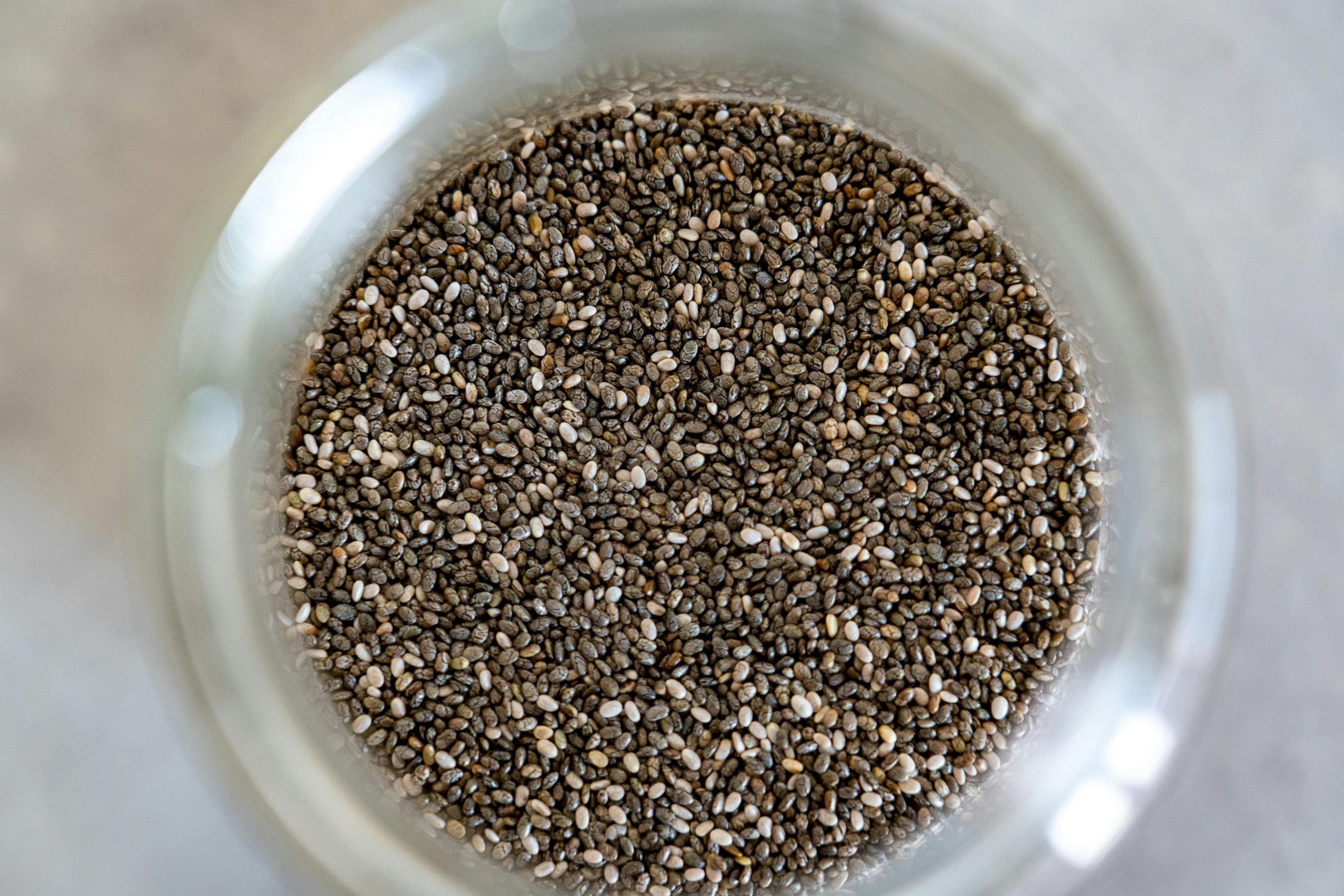
    Who would have thought that a seed so small could pack such a mighty punch? Chia seeds are an incredible option for supporting constipation as they contain insoluble fiber which helps to create bulky and soft stool. Around 2 1/2 tablespoons of chia seeds comes in at just around 10 grams of fiber! 

    Chia seeds contain the antioxidants quercetin and caffeic acid which support heart health and even inflammation in the body. Chia seeds are filling and can also be made into chia pudding and topped with nuts, seeds, berries, or any other topping of choice. This is amazing as a quick breakfast on the go and even a snack! 

    To make the base of a delicious chia pudding it really only takes three simple ingredients: a milk of choice, maple syrup or sweetener of choice, and the chia seeds themselves! 

    7. Flaxseed

    Flax has been cultivated and grown for thousands of years. In Asia, it even had a role in Ayurvedic medicine! The nutrients in flaxseed are phenomenal! This plant-based crop provides healthy fats, antioxidants, and of course, fiber. 

    Ground flaxseed is an easy way to add onto your fiber needs since it’s versatile and can be sprinkled onto oatmeal, salads, or even added in smoothies. 

    A great alternative to marine products, flax is one of the richest sources of plant-based omega 3. There are multiple benefits of omega 3’s including skin health and blood pressure control. 

    As recommended earlier, it’s always important to drink enough water when consuming flaxseed! 


    Getting enough fiber in your everyday diet doesn’t have to be complicated as there are so many readily available whole food options at our local grocery store! In order for our bodies and mind to thrive and feel best, what we consume is very important. By starting to slowly add more fruits, fiber packed vegetables, seeds, and whole grains into your diet you can start to see an improvement in your digestion and bowel movements! 

    If you’ve made it this far, we would love to know your feedback and which fiber source is your favortite! Let us know below!