Tag: prevention

  • Are you experiencing knee pain?

    Are you experiencing knee pain?

    Sometimes, this pain is known as Runner’s Knee. But what about those of us who don’t run and still feel knee pain? It’s more common than you think. Today we’ll explore what it could be!

    The knee is a pretty intricate part of the human body. According to Summit health, “The knee joint is a meeting of three bones—the tibia (lower leg bone), the femur (thigh bone) and the patella (kneecap). The ends of both the tibia and the femur are wrapped in articular cartilage to enable them to glide smoothly together. The underside of the patella is also surfaced with cartilage, and two more pads of cartilage called menisci (singular meniscus) sit between the femur and tibia and act as shock absorbers.”


    What could it be?

    There are so many variables that it’s hard to pin-point one specific reason for knee pain.

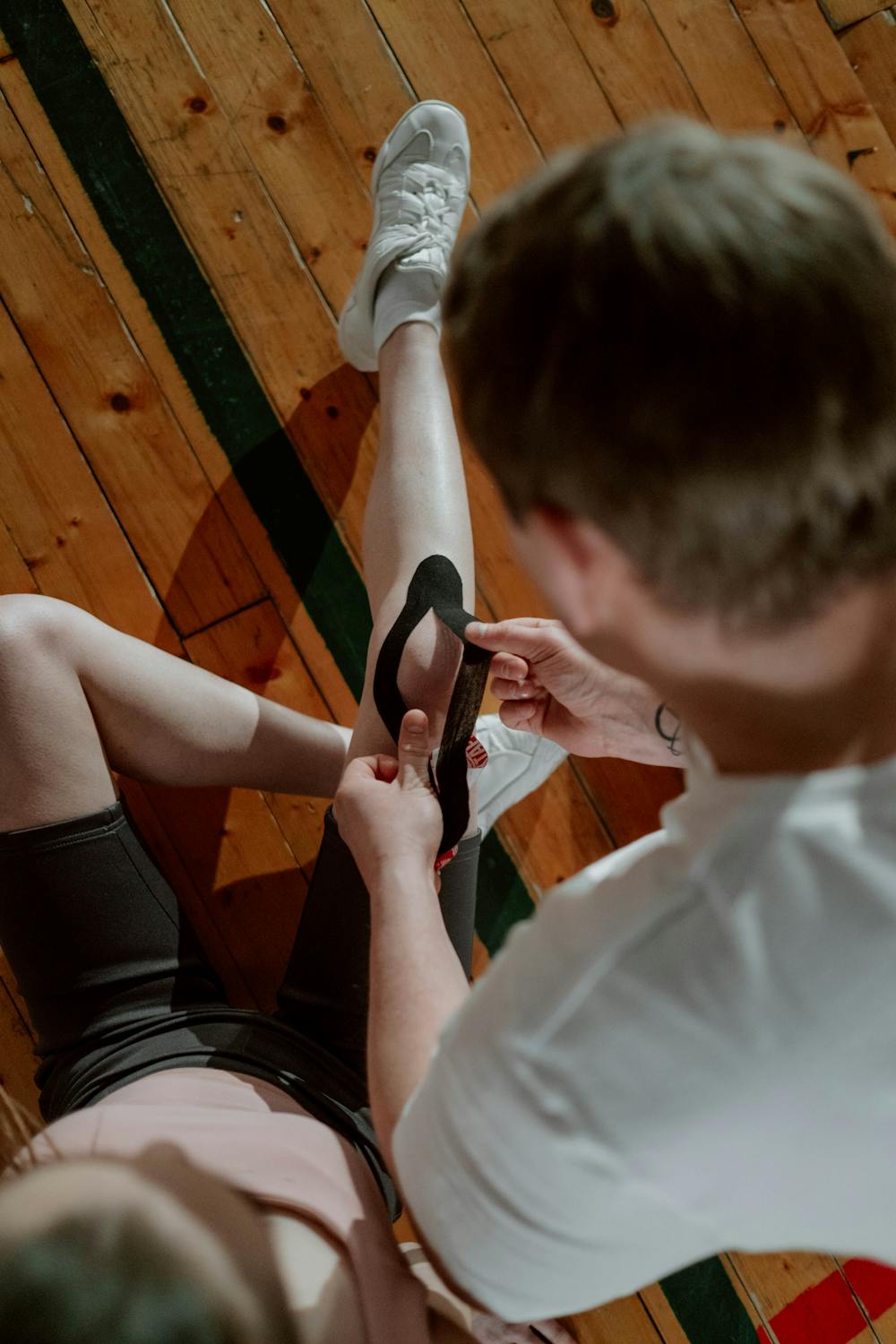
    Have you ever experienced knee pain? It could be from any of the following reasons:taping up knee

    • Injury (specifically to your knee – ruptured ligament, torn cartilage)
    • Injury (above or below the knee, causing you to change your walking/running pattern/gait)
    • Arthritis
    • Gout
    • Infections

    Today we will focus on Runner’s knee, or Patellofemoral Pain Syndrome, which is a common condition that causes pain in the front of or around the knee. It prevents many people from being able to do things like lunges, squats, jumping or high impact, walking, or running. 


    Why does it happen?

    An injury like Runner’s knee can happen for a variety of different reasons. 

    Most of the time, the cause is usually a weakness in another part of the body. 

    For runner’s knee, we’re talking specifically about weakness in the hips and quads. This is especially true for runners or people who walk a lot, or those who use shoes that are not supportive.

    Another cause could be tight/weak hamstrings & hips.

    When dealing with weakness, the best thing you can do is strengthen those body parts. You could go and see a physiotherapist to help you do these movements, but I’d like to share some tips with you to try out before you go out and spend money.


    Prevention

    Thankfully, even if you have Runner’s knee, you can treat it without having to resort to surgery!

    Whether you’re treating or recovering your Runner’s knee, you can likely do any of the following and see a vast improvement.

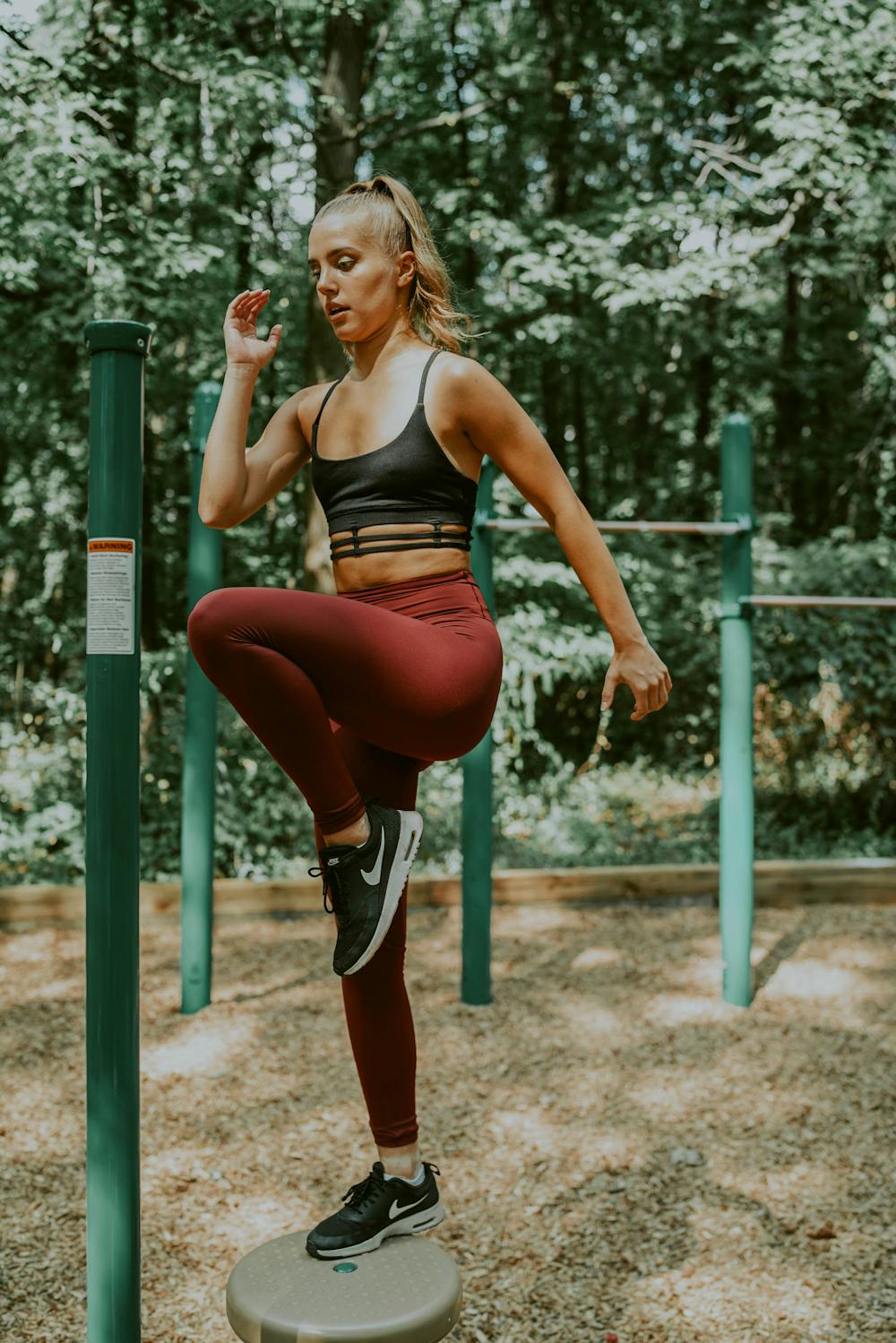
    If you have weak hips and quads:woman doing step ups

    • Strengthen! Rehab or Pre-hab exercises like clamshells, donkey kicks, fire hydrants, straight-leg raises, lateral lunges, sumo squats, and side step-ups can do wonders and improve your injury as well as help you lift more, run pain free, and reduce inflammation!

    If you have tight/weak hamstrings & hips:

    • If you use your hammies and hips a lot, you could probably benefit from rolling (using a foam roller) or stretching. Here is a source for hamstring stretches, and here is a source for hip stretches!
    • Tightness is usually a sign of weakness. Have you ever thought of strengthening your hips and hammies instead?! Here are some exercises you can try at home to strengthen your hips and hammies!
      • Other great compound exercises include box squats, single-leg deadlifts, and Romanian Deadlifts.

    Conclusion

    So what happens if I try all this and I still feel pain?

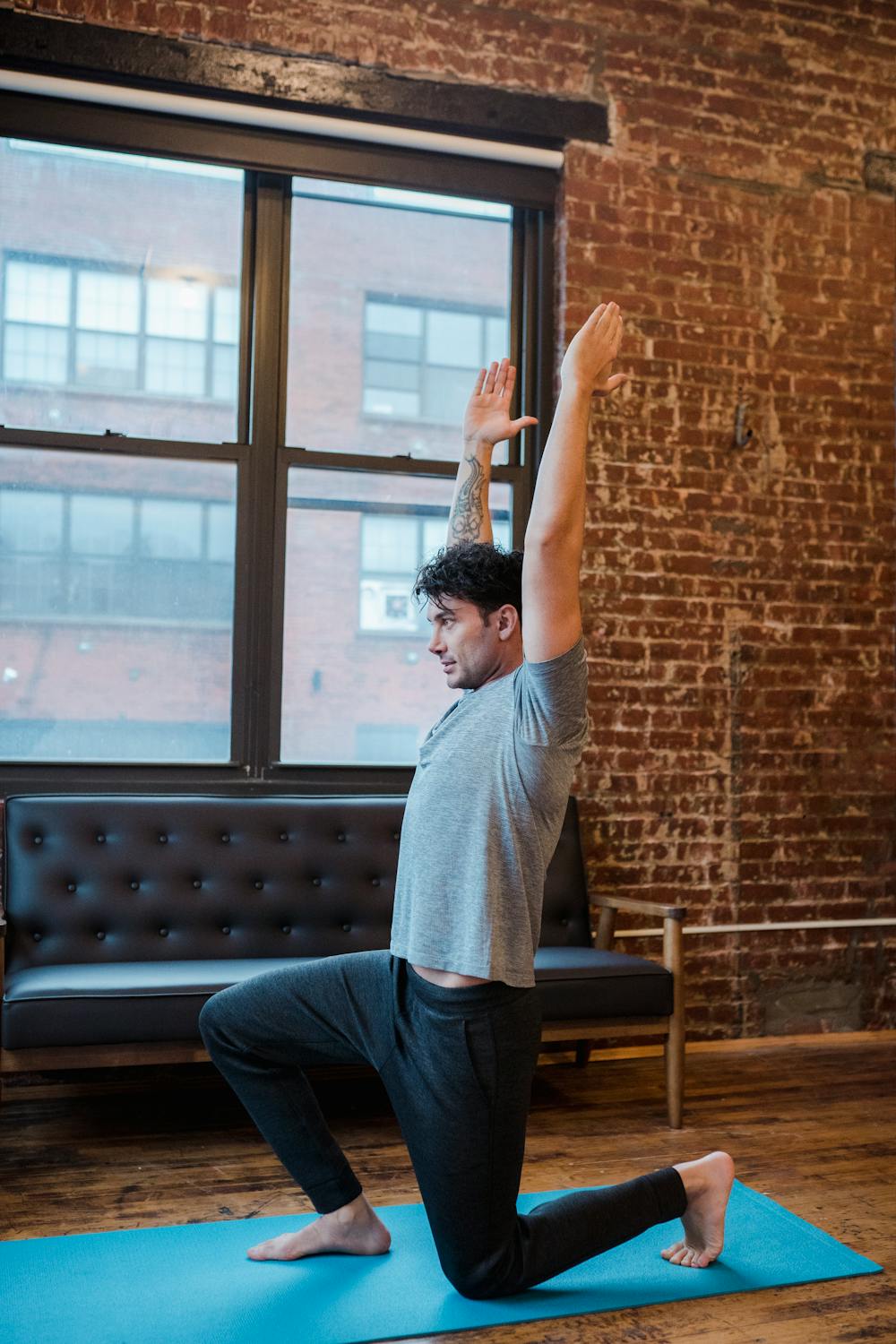
    man doing yogaMost likely, none of the exercises or stretches above are going to help you right away. It will take consistent practice and after a while, you may notice nothing has changed. Now what?!

    If you notice swelling in the knees, make sure to get it checked out by a doctor. You don’t want to assume it’s runner’s knee and then find out it’s actually something else. 

    Allow 3-4 weeks of constant rehab + prehab and strength training if you can handle it. If the pain remains, it’s time to see a professional to make sure you can nip it in the bud once and for all.

    Let me know in the comments below if you have experienced knee pain in the past or are currently going through it. I’m personally experiencing it while working at home right now, and it has reminded me to get up more often, stretch, and do strengthening exercises! I hope you’ve learned something new today!


    Resources:

  • Finding relief from migraines

    Finding relief from migraines

    The pain of a migraine is sometimes unbearable. 

    It’s hard to explain what these feel like to someone who doesn’t get them. 

    That’s my goal for today. I want to take you through what you may experience when you get a migraine, how you can nip it in the bud or avoid it from progressing, and some natural remedies to help ease the pain.

    Read on if you want to relieve your migraine aches!


    What does it feel like?

    The ‘ache’ of a headache feels like just a small fraction of what a migraine can inflict on your head, body, and mind.

    Once you feel it coming on, you know what you’re in for. 

    Some of you may be wondering what makes a migraine different from a headache.

    There are 4 distinct phases of a migraine, and you may or may not go through them all when you get a migraine. I’ve had a few migraines in my life, and I’m not sure how other’s feel about me writing this blog, because I know some people who get them several times a month. However, I can speak to how scared I’d be to get a migraine monthly and just having to wait it out without any form of relief.

    stages of a migraine
    Source: https://americanmigrainefoundation.org/resource-library/timeline-migraine-attack/

    I won’t go into detail about the phases, as the American Migraine Foundation does a really great job of breaking it down. I’m no expert, and would rather lead you straight to the source. I’ve taken this infographic from their website (look above!) and you’ll see there are 4 distinct phases: Prodrome, Aura, Attack/Headache, Postdrome. When you understand what happens in each phase, you are more likely to be able to manage this disease.

    It can be tough to tell the difference between the phases sometimes, as fatigue and blurred vision, for example, can be found in both the prodrome and aura stages, but these can serve as a warning sign for you to take medication to help relieve the migraine before it gets worse.

    You’ll notice some of these symptoms are really painful or mood-altering. For example, in the same day you could experience difficulty reading and speaking, temporary loss of sight, and giddiness. It’s sudden, abrupt, and sometimes unforeseen. Especially if you experience migraines differently each time and don’t know what to expect.

    The whole experience could last a few hours to several days, leaving a person debilitated and unable to eat, work, sleep, or move. 

    What makes migraines so painful is that you can experience this for lengthy periods of time and have the symptoms change frequently. You may experience pain in your body, in your head, nausea, trouble seeing and sleeping. And if you can’t sleep or eat, it makes healing from a migraine much harder. It therefore affects your nervous system and cause your immunity to decline. 

    Being able to identify risk factors can help individuals anticipate how long the attack will last or how long the aftereffects will linger.


    Possible causes

    There are many causes or possible triggers for a migraine. 

    You might get migraines because of your genetics or even environmental factors (where you work or live). You could also be at risk of migraines if there are changes to the brainstem and its interactions with the trigeminal nerve (a major pain pathway). Just like depression can be caused by a chemical imbalance, so can migraines; this could be a case of low serotonin, a hormone that helps to regulate pain in your nervous system.

    Some possible migraine triggers are:

    • Drinks: Specifically alcohol (especially the ones high in sugar!) and caffeine (energy drinks, coffee, etc.).
    • Stress: Nip stress in the bud if you want to avoid a migraine. Go for a walk, meditate, or talk it out!
    • Sensory stimuli: Bright or flashing lights, loud sounds, sharp smells (perfume, Sharpies, paint thinner, smoke).
    • Sleep: If there is a sudden change in your sleep pattern, such as missing sleep or getting too much, this may trigger a migraine.
    • Weather: A change in barometric pressure can prompt a migraine (or headache).
    • Physical Factors: Intense physical exertion, such as a sport or sexual activity, can provoke migraines.
    • Medications: Birth control and vasodilators, such as nitric oxide, can aggravate migranes.
    • Food: Salty, processed foods may trigger migraines. If you do not eat enough or skip a meal, this may cause a migraine as well. Lastly, try to aovid food additives! Things such as aspratame and MSG, which are both found in many foods (diet or not), can be the secret cultprit, and cutting them out may help a lot!
    • Hormonal changes in women: Throughout the month, those who experience hormonal changes will see fluctuations in estrogen (before/during menstrual periods), pregnancy, and menopause. This often causes headaches.
      • Unfortunately, women are 3x more likely to experience migraines than men.

    Natural Remedies

    So is there any relief from a migraine? If you want to avoid over-the-counter medicine, do you have other options?

    Here are some natural remedies you can try out if you’d like to hold off taking medicine:

    • Holistic choices: There are many, such as massage, acupuncture, acupressure therapy (stimulates specific points of the body to release muscle tensions and alleviate pain). Some people even swear by essential oils, as the smell can calm and reduce the severity of migraine headaches (lavender is a popular choice!).woman in bed and man comforting her
    • Supplements: If you’re looking for herbal remedies, some say Butterbur and feverfew are helpful in reducing migraine pain and frequency. For daily supplementation, I recommend Magnesium, since most of us are deficient in this essential mineral. Deficiency can cause migraine aura or a mentrual-migraine headache. However, please speak to your doctor before adding Magnesium to your regimen, just in case it counteracts with other medications. Lastly, you may want to consider a B-complex vitamin to help reduce migraine frequency and severity.
    • Hydration: Seems like an obvious one, but it’s pretty easy to forget to drink water. If you feel like you’re losing a lot of electrolytes, consider adding in an Electrolyte Concentrate
    • Movement: I’m saying go out for a run or a crossfit class, but if you can move, take advantage! Go for a walk if possible, or do some light yoga and stretching. Movement helps to improve bloow and reduce muscle tension!
    • Rest: Lack of sleep can trigger migraines, so aim for 7-9 hours of restful sleep a night. This means avoiding lit-up screens a couple hours before bed.

    There is a lot of research surrounding new techniques that can help relieve symptoms of migraines, such as Biofeedback therapy and simply using a compress (hot or cold) to help soothe the pain of a headache. In the end, the best solution is the one that works for you!

    Keep in mind, these remedies may not work for everyone, every time. For example: they may work if taken/administered really early on, but realistically, many of us wait a little too long and then may need something a little stronger. Taking medically-prescribed over-the-counter meds are recommended to shorten the time of suffering.


    Conclusion

    opening pillsThere aren’t many ways you can avoid a migraine unless you’ve created a routine for yourself that helps keep you healthy. But just like the common cold, you may not be ready for it, and it may be unavoidable. Sometimes, we’re busy, stressed, and not eating well or staying hydrated. Nobody’s perfect, but as long as you know how it came up, you can try to avoid it the next time around.

    Because migraines are fairly common, affecting around 1 in every 5 women and around 1 in every 15 men, they often go untreated and undiagnosed.

    It’s important to keep track of your migraines, as well as keeping a record of how you treat them. At this point, it’s time to bring this information to your doctor to discuss a treatment plan. This includes having frequent headaches.

    If you’ve experienced a migraine before or get them frequently, I’d love to hear about your experience. Let us know how you manage your migraine or headache symptoms, even if it means you take over-the-counter medication to help ease the pain. Is there anything from the list above you’d like to try to change things up? Please share below!


    Resources:

    • https://www.mayoclinic.org/diseases-conditions/migraine-headache/in-depth/migraines/art-20047242
    • https://www.mayoclinic.org/diseases-conditions/migraine-headache/symptoms-causes/syc-20360201
    • https://americanmigrainefoundation.org/resource-library/timeline-migraine-attack/
  • Simple Stretches to do while you work

    Simple Stretches to do while you work

    Have you been sitting all morning, so far?

    Having gone from an active job where I’m standing all day and helping others move, I’m still struggling to adjust to this new “sedentary” lifestyle. 

    But just because you sit at a desk all day does not mean you need to give up the mobility (even if only a little) that you do have.

    Don’t tell your boss, but we’re going to be stretching and exercising while working! 😉

    I like to work from the feet up to the top of my head, so follow along or change it up if you want!


    What you need

    Technically, you can always stretch and stay mobile without props. I never tell my clients or athletes that they need to go out and purchase anything in order to do stretches, but it might help if you have some of these things around your house if you want to do something a little extra!

    If you have the following, bring them out:

    • A resistance band, a belt, OR a broomstick handle
    • A tennis ball or any kind of ball will do!
    • A sock or small face towel
    • If you really want to get creative, get rid of your desk chair and replace it with a yoga/exercise ball! It’s called a stability ball for a reason!

    If you don’t have any of those things, keep reading, because I’ll go over all the stretches you can do while seated in front of your desk, with or without props!


    Feet

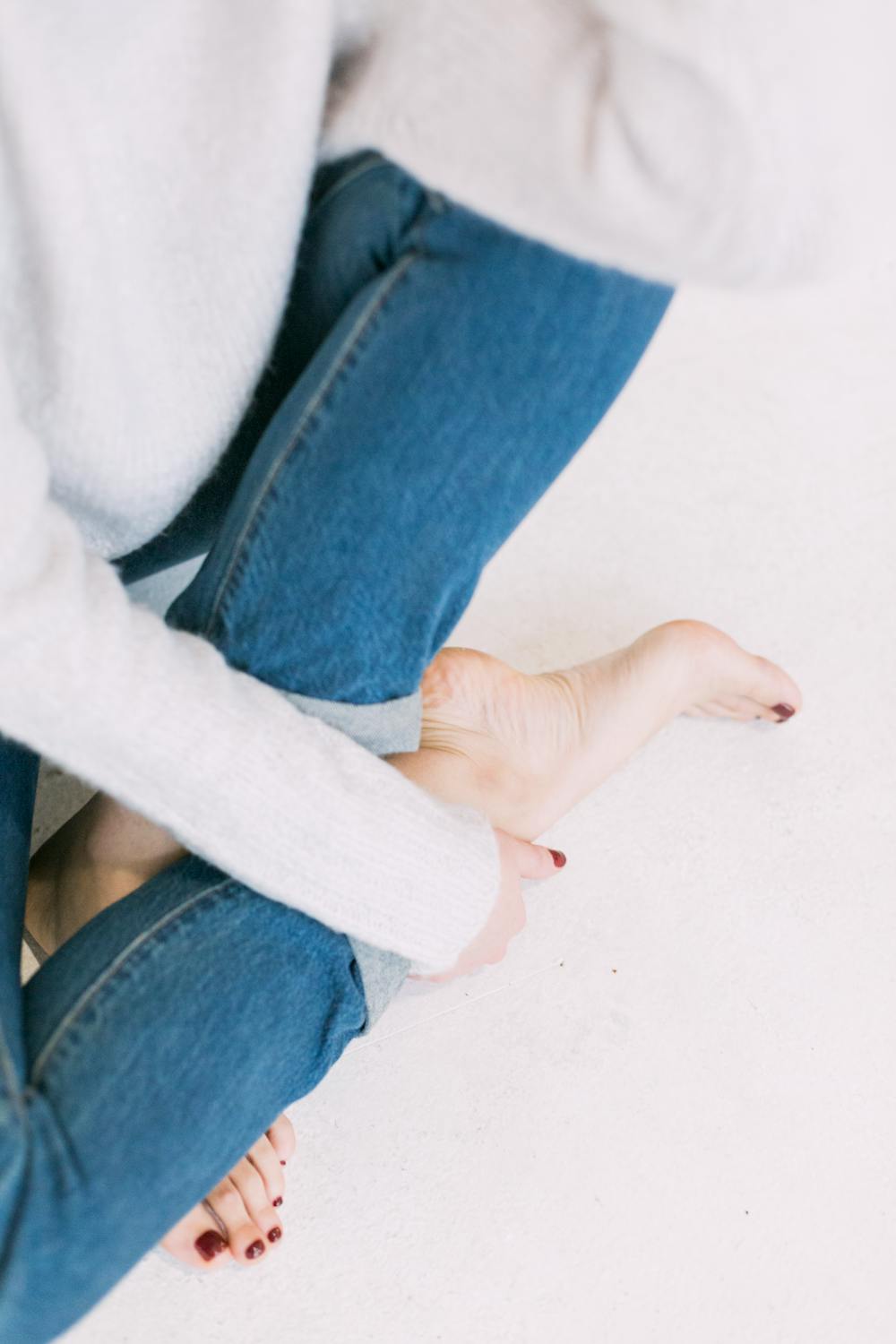
    woman crossing legsIt’s definitely the sorest part of my body. I’ve got virtually no arch in my foot, and many people also complain about foot pain when they have a really high arch. Here are a few exercises that can help mobilize the feet while you aren’t really using them or putting your body weight on them.

    1: Barefoot, you can place a sock or towel in between your toes to create a makeshift toe spacer to let your feet splay out. This is the opposite of what shoes do for us. That’s why they’re sometimes referred to as foot coffins!

    2: Using that same towel, place it under your foot, and see if you can pick it up with your toes only. Do that a couple times and then switch sides.

    3. If you have a ball (any variety: golf, tennis, lacrosse, your dog’s toy!), some light rolling under the footpads, the heels, and under your toes can release a lot of built-up tension and break up some of the fasciae.

    If you’ve got more time, check out this source. GMB Fitness has a lot of great resources for those of you who want to up your mobility game!


    Legs/Hips

    Without getting up from your seat, you can try some great stretches that can benefit your hips and hip flexors.

    1. Have you tried a figure-4 shape while seated? Simply cross your Right ankle over your left thigh so that your legs are creating a 4-shape. It will look something like the woman in the picture here, but instead of woman lying on back figure-4 stretchlying down, you can stay in your seat. Try this on both sides, and hold it for as long as you’d like. Just make sure you don’t press down on your knee, as your hips may not want you to push that far into this stretch.

    Listen to your body and ease into this movement! You can always try it again later in the day to see if you feel better or worse.


    Trunk/Torso

    Your spine is meant to move throughout the day. When you don’t move for extended periods of time (consistently), you risk losing some of the lubrication in your spinal column. What once used to feel easy or mobile, may feel super crunchy or painful. This can lead to osteoarthritis, stiffness, and just an overall loss of mobility.

    In order to avoid this, here are some stretches for your torso and spine:

    1. Place your arms above your head and reach up for the ceiling. Try to keep your ribs from falling forward or back. Imagine you’re dangling from a set of monkey bars (even if you haven’t done this since you were a child)!

      • Keeping your arms above your head, arch your back so that you’re extending your back. Your arms will go back in space, your upper back should help you the most in this position.
      • Keeping your arms above your head, now do the opposite: flex your back. Your arms will come forward in space, and your lower back will help you the most in this position. 
        • Feel free to move through these with each breath you take (ex. Inhale to extend your spine, exhale to reach up to the ceiling, inhale to flex your spine, then give your arms a break).
    man twisting in chair
    Source: https://www.warrioraddict.com/news/2019/5-yoga-poses-de-stress-work

    2. Now that we’ve stretched lengthwise, let’s try a twist! Grab the armrest of your chair on one side and begin to twist to that side. If you can’t reach that far over, place your opposite hand on your opposite leg and breathe there. Work your way up; start your twist from the base of your spine to the very top of your head. Your head should be the last thing to turn to face your chair.


    Arms/Shoulders

    The last stretch involved your arms and shoulders, so you may be feeling the burn already. Now, you want to focus on increasing the range of motion in your shoulders. Test it out every day. Do arm circles, try downward dog pose, or do some jumping jacks!

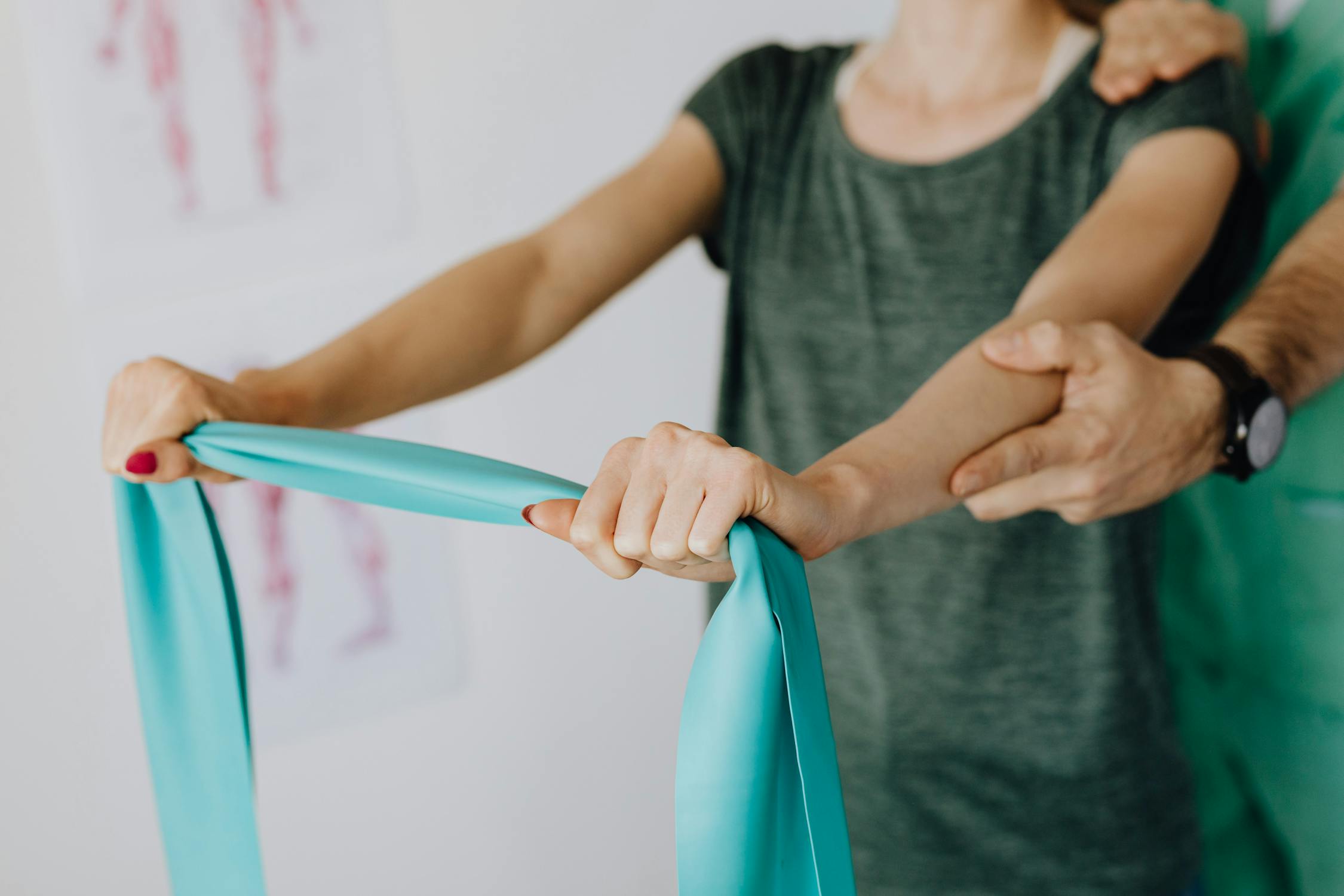
    1. Desk angels: this is similar to wall angels, but you’ll be seated. Arms will come out to the side in a cactus shape (90deg). Lift your arms up (straighten) and down (bend the elbows), keeping your torso steady as if you’re against a wall. You should feel this in your shoulders, arms, and definitely in yourwoman holding resistance band upper back!

    2. Interlace your hands behind your back. You may want to scooch your butt up on your seat so you’ve got space. Keeping your torso upright, lift your hands off your back and toward the backrest of your seat. Take some deep breaths in this position, and if you’d like, feel free to drape your torso over your thighs for a more intense stretch!

    3. Shoulder Dislocates: This one is my favorite. Rather than explain it in writing, I’m going to direct you to watch this quick video. This will require a resistance band, belt, or broomstick handle. I can’t emphasize how much I love this stretch. I do it every single day.


    Neck

    And now, the piece de resistance! The one I’ve neglected the longest and that gives me the most aches and pains! Your neck is still part of your spine, so remember, staying mobile in the spine includes everything from your pelvis up to your head!

    Gentle neck circles are a great way to mobilize the tissues around your neck. The one thing I’ve been trying to incorporate every day into my routine is Neck CARS, aka Controlled Articular Rotations. I learned to do this in a course I took a couple of years ago. Here is a great video that demonstrates Neck CARS.

    Things to keep in mind: Keep your torso nice and steady when you do this movement. The movement should only be happening in the neck and head!


    Conclusion

    After almost a year of working from a desk at home, I now understand the pain my clients kept complaining about. Now I’m the one complaining! You don’t realize that your lack of movement can eventually cause pain until you are in pain! 

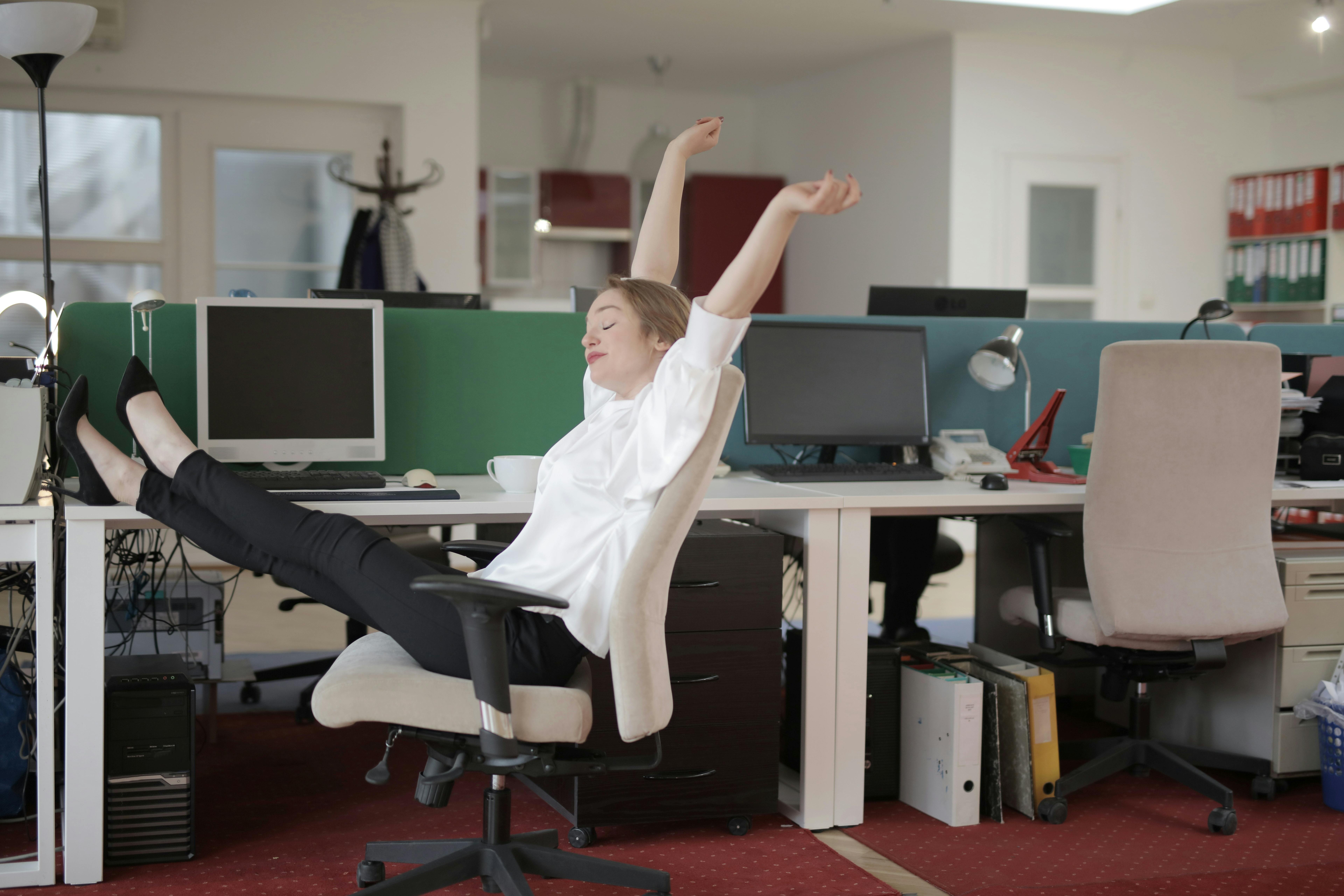
    woman in white shirt stretching in work chair

    I’ve been working consistently on mobilizing and stretching, but most of all, strengthening, by staying consistent with my workouts (both cardio and weight-training), and it’s helped a lot with the pain I was feeling while seated. 

    Who else is suffering from sedentary pain? Comment below with your tips and tricks so we know how you stay fit, active, and pain-free!

  • Improve your Eye Health with these 4 Easy steps

    Improve your Eye Health with these 4 Easy steps

    When it comes to our eyes, we tend to be more reactive, in that we pay attention once there is already a problem, rather than proactively aiming to have healthier eyes.

    The technology is already out there: glasses. If we have eye issues, it’s most likely a decline or loss of eyesight. This can certainly be worrisome. Coming from someone who has fairly good eyesight, I definitely didn’t start thinking about my eye health until I worked a desk job and was stuck in front of a computer screen for 8 hours. 

    But what really gets people interested in eye health? 

    One day, you may notice a difference in your eyes, such as:

    • Hazy or double vision
    • Trouble seeing in low light conditions or discomfort with high-light conditions
    • Red eyes for prolonged periods of time
    • Eye pain or swelling (not from allergies)
    • Floaters (black or grey specks, strings, or cobwebs caused by age-related changes)
    • Frequent flashes of light

    But no need to wait until you feel any of these. Taking care of your eyeballs is super important if you want to keep your vision until you’re old! And the great thing is, these easy steps apply to both children and adults – With online learning becoming the new normal, and children having easy access to technology, it’s great to instill these habits while they’re young!


    4 Easy Steps to improve Eye Health

    1. Eye Exercises

    Blinking Breaks? Yes! I highly recommend them. It isn’t necessarily the computer’s fault your eyes hurt. Staring at anything for too long can cause eye strain. Imagine reading a book for hours where your eyes only move from Left to Right. Look away from what you’re working on every once in a while to bring for a few seconds (or minutes), then return to your task.

    If you can, take breaks using the “20-20-20” rule. That means that for every 20 minutes you work, shift your eyes to look at an object at least 20 feet away from you for at least 20 seconds.

    Another exercise you can try is facing forward and looking straight ahead. From there, look up without tilting or moving your head. Look down, being mindful not to move your head. Do this 10 times. Try the same thing but looking right and left. If you do this in the same spot every day, notice if you can see a bit further some days than others.

    I personally love “palming“. Close your eyes and place your hands over your eyes. It’s called palming because your palms will be covering your eyes, with your fingers on your forehead. Don’t push down on your eyes; maintain light pressure, so light that you could blink. If you can sit here for a couple of minutes, that is ideal! Not only is this a nice break for your eyes, but it can also be a moment for you to breathe deeply and kill two birds with one stone!

    There are so many more exercises you could try, it just takes a simple Google search or a search on YouTube to find more examples. If you have any trouble finding an exercise that works for you, reach out to me through the comments and I’ll help you find the right one for you!

    2. Take the right Vitamins & Minerals

    You can find all the vitamins and minerals you need in simple every day foods, but you may need to supplement with a capsule or powder for any nutrients you may be lacking. 

    Some beneficial foods for your eyes

    • All colorful veggies and fruits, such as carrots, strawberries, red peppers, spinach, sweet potato, citrus, and broccoli
    • Foods rich in Omega-3 fatty acids, like high-quality salmon and flaxseeds. Keep in mind, some of these will be higher in Omega-6 and Omega-9, which we don’t need too much of in our diet. Usually, the lower the Omega-3 content, the cheaper the food/product.

    Supplements:

    You want to aim for Vitamins A, C, E, and Minerals like Zinc, which contain antioxidants that can help lower your chances of macular degeneration. Carotenoids are super important too!

    There are two supplements I take that I’d like to highlight here. I was already a huge fan of Fish oil for the mental health and anti-inflammation benefits, but then I also added Optify Eye Health to my daily regimen for the Carotenoid benefits.

    Carotenoids include lutein and zeaxanthin, and these are found in your retina. If you can’t get a sufficient amount from food, I highly recommend supplementing with something like Optify to make sure you’re giving your macula all the protection it needs by improving the pigment density in that part of your eye, and in order to properly absorb ultraviolet and blue light with minimal damage.

    Optify is a premium eye health blend which includes lutein, zeaxanthin, and virtually everything you need for vision care and optimal eye health. 

    NutraChamps’ Omega 3 Fish Oil is a staple of daily nutrition sourced from wild caught fish in Peruvian waters. It’s one of the most beneficial supplements available for heart & brain health, joint comfort, eyes & more! DHA supports the brain, eyes and central nervous system.

    3. Use eye protection

    This is a pretty new one for me. Growing up having 20/20 vision, I didn’t do anything to care for my eyes. I never had to wear glasses or contact lenses, and I never felt the need to wear sunglasses. 

    Not only can I feel the discomfort in my eyes while sitting in front of a computer screen for long periods of time, but I also feel discomfort when outside, whether it’s sunny or not! Because I never wore sunglasses, I squinted a lot when I was outside playing sports, going for a walk, or just sitting on a patio. I get fatigued (physically and mentally) almost immediately if I’m not wearing sunglasses outdoors now.

    To make matters worse, I wasn’t used to wearing any kind of eyewear, so getting used to glasses to protect me from my technology took a while! I purchased a pair of blue light glasses 2 years ago when I knew I’d be working a desk job full-time. I consulted this list, and purchased an affordable pair (without a prescription). 

    Shades are super helpful! The RIGHT pair can help you stay safe from cataracts, macular degeneration and pinuecula by blocing out the sun’s harmful UV rays. Look for a pair that provides 99-100% UV protection – you can get this in contacts as well!

    Keep in mind: The amount of light coming from a computer has never been demonstrated to cause any eye disease. Studies show that the actual light from computer screens isn’t damaging our eyes, but instead, it could simply be that we are not taking enough breaks from our screens – we go from tablet to phone to laptop to TV throughout the day.

    4. Take a break

    This leads me to this point: take a break! We should be taking breaks throughout our day from all screens. I even try to avoid being around the microwave and oven, since they display the time in super bright LED lights.

    I know it isn’t always possible to take a break when you want to. Maybe your boss is breathing down your neck and you need to get something done in a time crunch! In that case, here are some things to keep your eyes safe:

    • Sit further away from the screen (about 25 inches or an arm’s length). You’ll want to adjust the screen so you’re looking slightly down, rather than up, to avoid straining your neck.
    • Don’t be afraid to make use of eye drops if you have them around. Don’t work through the discomfort of dry eyes. It will make you strain even more.
    • This could also mean taking a break from contact lenses. Many of us use them on the daily, to the point where our friends don’t even know that we need glasses! Switch them out for your glasses every once in a while to avoid touching your eyes.

    Conclusion

    It’s important for me to mention that if you are having issues with your eyes or are simply curious about how your eyes are operating, visit or consult an Eye Doctor! This can be a regular appointment in your calendar!

    I understand this isn’t an option for many who are not covered by health insurance, but it could be worth the investment. An Eye Doctor will check up on some, if not all, of the following:

    • Perform a vision test to determine farsightedness/nearsightedness, presbyopia (changes in vision due to age), astigmatism (blurred vision)
    • Perform a test to determine coordination between both eyes 
    • Optic nerve and eye pressure tests (for glaucoma)
    • Microscopic & external eye exam before and after dilation

    If you can get into an Eye Doctor at least once a month to check up on your eye health and maybe get a new prescription for your glasses, you’re showing your eyes the love they’ve been desperately looking for! 

    Do you see an Eye specialist or Optometrist? How do you care for your eyes? If you haven’t thought of this before, what can you take from this post and start doing beginning today? Let me know below!


    Resources:

    • https://irisvision.com/20-tips-for-optimal-eye-health/
    • https://www.mayoclinic.org/diseases-conditions/eye-floaters/symptoms-causes/syc-20372346
    • https://www.aao.org/eye-health/tips-prevention/are-computer-glasses-worth-it
    • https://www.healthline.com/health/how-to-improve-eyesight#bottom-line
    • https://www.healthline.com/nutrition/eye-vitamins#TOC_TITLE_HDR_11