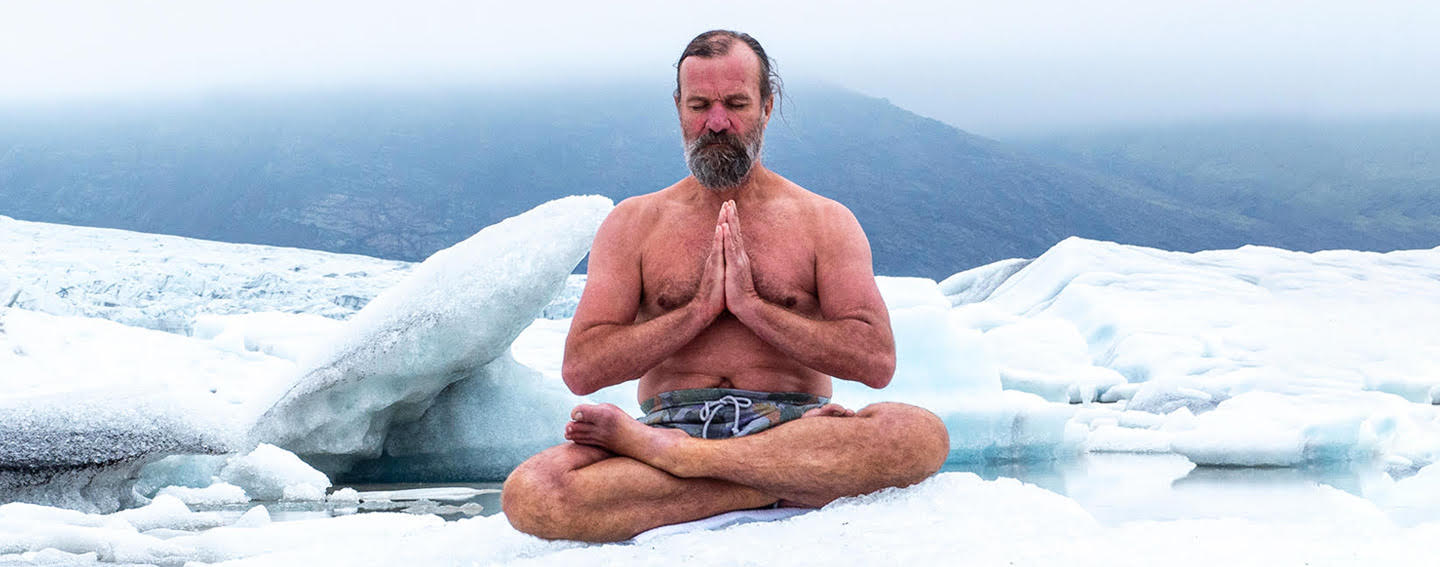
Not only cold showers but cold exposure in general.
I wrote a blog on here a year ago called “The Effects of Taking Cold Showers For 30 Days” and I felt like returning to this topic since I have since learned some new facts about cold exposure that I didn’t know back then. I don’t mind being wrong, but when this does occur, I like to make sure I correct myself on any misinformation I may have spread.
Read all the way to the end to find out how you can start cold exposure therapy!
Let me specify: I don’t think that anything I learned in the past was really “wrong“.
I believe that the benefits I got were partially based on my pre-conceived beliefs and partially based on how I actually felt. I say pre-conceived beliefs because I didn’t take a placebo; I actually did 30 days of cold showers and wanted to see how it would affect me.
The following are a few new things I’ve learned over the past year and why I believe Cold Exposure is still important but can be done more efficiently than I originally thought.
Why use Deliberate Cold Exposure?
The science is out there. Cold exposure from water, ice, or air can provide many benefits such as better sleep hygiene, higher pain tolerance, quicker recovery time, reduced swelling and inflammation, improved attention, and a stronger immune system. Although there are numerous benefits, it doesn’t make it any easier to do. Overcoming the cold can be really difficult for most of us. Here’s why.
As babies, we all had a certain amount of brown fat on us. This is known as adipose tissue and is an important type of fat found behind the shoulder blades of babies. This brown fat helps to maintain your body temperature when you get too cold. It’s the same fat that bears use to stay warm when they hibernate.
Brown adipose tissue’s main function is to turn food into body heat. It is sometimes called “good” fat. Humans and mammals with higher levels of brown fat take longer to start shivering from the cold, than those with lower levels. Newborns do not shiver in the cold, because their brown adipose tissue levels are higher than in older humans.
As we age, we lose this brown fat (made of mitochondria, also known as energy), and we tend to have more white fat cells, which makes it hard for us to lose weight… that leads me to the first reason why many of us like the idea of cold exposure…
Weight loss
Beige and brown fat are great at raising your metabolism.
You can burn white fat, especially while you’re in a calorie deficit when you have more brown fat. Unlike which merely stores calories, brown adipose cells burn them to produce heat. So how do you get this brown fat?
You can increase your core metabolism and change your gene expression in those genes(!) by deliberately exposing yourself to the cold. Exposure to cold temperatures (in water or air) causes stem cells to form brown fat instead of white fat.
A former NASA material scientist, Ray Cronise, who spent 15 years overseeing experiments aboard shuttles at Marshall Space Flight Center avoided warmth altogether in an experiment in 2008. He took cool showers, wore light clothing, went for 3-mile-long walks in 30-degree weather wearing a t-shirt, shorts, gloves, and earmuffs, and slept without sheets. In 6 weeks, he had shed 27 pounds! This was nearly 3x his regular weight-loss rate without changing his calorie intake.
More studies need to be conducted on humans to make sure these are not unique cases.
Recovery In Sport
Heat is the enemy!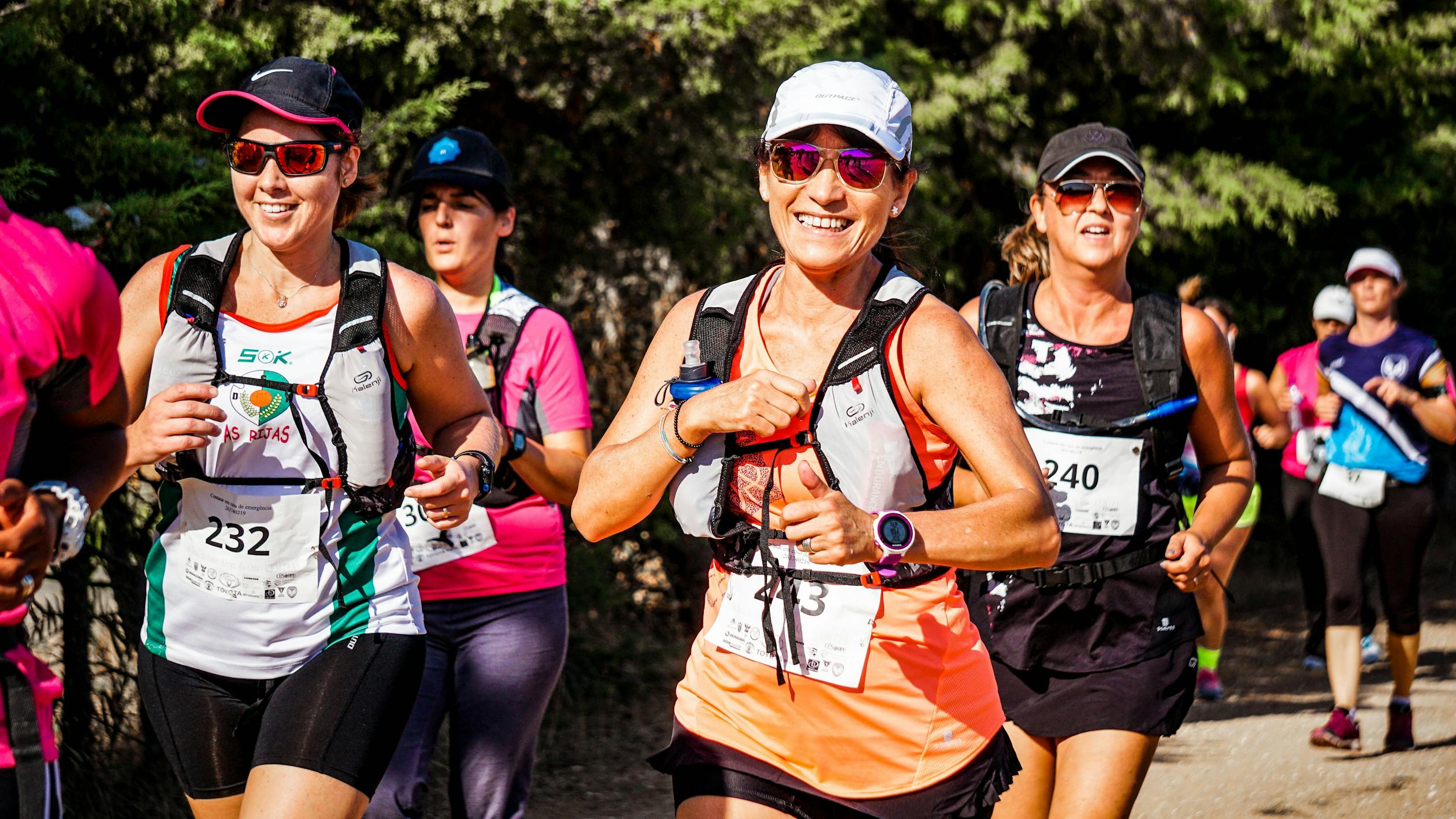
I used to wonder why I would get so discombobulated after running a long race and neglecting to drink water throughout. Little did I know that I was not the only one who experienced that while overheating in a race. It’s called “Hyperthermia”. Getting too hot can decrease your physical performance as well as increase your risk of exertional heat illness, including heatstroke and heat exhaustion, which can both be life-threatening. You may also be familiar with the less life-threatening exercise-associated muscle cramps.
Before even thinking about recovery, why not think of the prep? When getting ready for an outdoor sport, consider lowering your body temperature the hour before you play or run or cycle. This slows the rate at which your core temperature rises. In fact, this could boost your performance by 3.7%! During your sport, you can actually STOP what you’re doing. Your temperature will start to lower. If you plan on continuing your race or training, try putting ice or cool water on three spots that will bring your body temperature down a bit: your face, the palms of your hands, and the bottoms of your feet. This is known as glabrous skin, which means they are free from hair or down. They’re smooth, which makes them very good at dumping heat and bringing in cool!
Once you’re done with your sport, how about an ice bath?! Intense exercise can cause microtrauma to your muscles, which can stimulate muscle cell activity and help strengthen the muscles, but this can also cause delayed onset muscle soreness (DOMS). DOMS can occur between 24 and 72 hours after exercise, and can really get in the way of your next workout.
The ice bath can be helpful in recovery in the following ways:
- Constricts blood vessels and flushes waste products, such as lactic acid, out of the affected tissues.
- Decreases metabolic activity and slows down physiological processes.
- Reduces swelling and tissue breakdown.
Now you can get back to doing what you love quicker and better rested!
Immune System Support
Cold exposure can increase dopamine, leading to accelerated healing when you’re sick. It makes inflammatory cytokines go down and anti- inflammatory cytokines go up.
Even breathing, like the WimHof method, for example, could help increase dopamine. Because the cold exposure is helping you increase anti-inflammatory cytokines, you can actually do this while sick and you can speed up your recovery! Any kind of breathing that will relax your nervous system will help.
Coldwater immersion up to the neck can lead to very significant dopamine levels that go on for several hours. This makes it a better alternative to eating that slice of cake just because it will taste so delicious, even though you know you will feel terrible after.
Some like to take cold showers and then hop in the sauna to do cold-heat contrast therapy. I mentioned that in my last blog about cold showers, but thought it was an interesting point to bring up since many of us like to avoid cold water or weather because we’re scared we’ll get sick from the exposure.
Mood Enhancement 🙃
Controlling dopamine for motivation, focus, and satisfaction using cold water is possible! It sounds weird, especially since the thought of going into a bath full of ice does not sound enjoyable.
Things like eating chocolate can give us temporary pleasure during and after consumption, but right after, you feel a subtle discomfort, because you want more of that thing. This discomfort comes from the lack of dopamine that follows – if you take something or do something that leads to a huge increase in dopamine, your baseline naturally drops, because there isn’t a lot of dopamine around to keep your baseline going.
When you get addicted to taking or using something for dopamine, you tend to always want that feeling. You might only get excitement from that behavior and not other behaviors (school, relationships, well-being), and you stop getting dopamine release from that activity as well. This means you need more of that thing to feel like you’re at your “baseline”. This pattern can eventually lead to depression.
Anna Lembke, an American psychiatrist and Chief of the Stanford Addiction Medicine Dual Diagnosis Clinic at Stanford University, specializes in the opioid epidemic in the United States. One of the individuals she was working with to combat drug addiction tried cold exposure to ween off of drugs. Believe it or not, the use of dopamine elicited by cold water exposure helped this individual get off of drugs completely. This is obviously just one case, but that’s still pretty amazing.
Anti-Aging
Taking cold showers can actually help you take back years of your life! Cold exposure stimulates the vagus nerve, which is the longest nerve of the autonomic nervous system. It’s a parasympathetic nerve that connects the brain to the gut and other vital organs, and it’s responsible for rest and digestion, aka the part of you that helps to bring down stress and reduce your inflammation. This vagus nerve also transports feel-good neurotransmitters like serotonin, dopamine, and GABA from your gut to your brain.
Like I mentioned earlier, deliberate and smart cold exposure will wake up longevity genes and help to increase brown fat, which helps to improve circulation in your skin, helps you sleep better, and boosts your immune system.
All of these things together lead to a healthier and younger-looking you!
Conclusion
You may be wondering, “this is great and all, but how do I do this? Do I just hop in the shower and make it as cold as possible?” Well, the easy answer is no. The longer answer is this.
This process will vary from person to person. Some people can easily go out into the cold without a coat and shiver but tolerate it. Others will need a lot more persuasion to go out into the cold or even change the temperature of the water in the shower. The answer will be unique to you and will depend on your personal resiliency, grit, and mental toughness.
From my research, this is what I gathered for the absolute basics of cold exposure. If you’re taking a cold bath or shower, the water should be challenging to get into, but not so cold that you can’t stay in for 3-10 minutes. This can vary. For example, research shows that just 11 minutes of cold exposure a week (minimum), divided into 2-4 sessions, can help you reap all the benefits listed in this article.
How cold does the water have to be? If you dread cold water, getting into a cold shower to increase your epinephrine and norepinephrine will be really tough. Maybe start by getting into a shower that is tolerable or slightly warm and then slowly lower the temperature. You may want to visualize yourself overcoming these cold hurdles by pretending they are a “wall”. Once you hit your first wall, or resistance, sit with it. Breathe. Keep the temperature where it is. and stay in for a few minutes. You could also play around with making the water colder once you hit your wall. Do this up to three times.
It’ll be tough to gauge how cold the water is in a shower or how long you stay in every time unless you’re super diligent. Unless you’re a professional athlete who likes to track this information, it’s likely not worth the time and effort to track all of this. Just give it a try – it’s free of charge!
If you don’t have access to a tub or don’t want to take a cold shower, you can just go for a cold walk outside in a t-shirt and shorts with some mitts and earmuffs!
Let us know if you have tried cold exposure therapy and how it works/worked out for you in the comments below.
Resources:
- https://hubermanlab.com/dr-craig-heller-using-temperature-for-performance-brain-and-body-health/
- https://hubermanlab.com/supercharge-exercise-performance-and-recovery-with-cooling/
- https://hubermanlab.com/dr-david-sinclair-the-biology-of-slowing-and-reversing-aging/
- https://hubermanlab.com/using-your-nervous-system-to-enhance-your-immune-system/
- https://link.springer.com/article/10.1007/s004210050065
- https://koarecovery.com.au/mood-stabilisation-cold-therapy-as-a-treatment-for-depression/#:~:text=Exposure%20to%20cold%20also%20increases,nerve%20endings%20to%20the%20brain.
- https://www.health.harvard.edu/staying-healthy/out-in-the-cold

 Coldwater does certainly alert your nervous system that it’s time to wake up! I took the shower before starting work or any workouts so that I could get myself pumped up. On days when I was feeling lethargic or hot around 2 or 3 in the afternoon, I’d hop in a cold shower for, dare I say, FUN!? I actually managed to switch to decaf while taking these cold showers. That is huge for me since I didn’t realize how reliant I was on caffeine. I still drink decaf coffee in the morning because I love the taste and the ritual.