Summer produce may be in abundance, but that doesn’t mean that what you’re eating is full of nutrients.
According to Cancer.gov, a nutrient-dense food is defined as, “Food that is high in nutrients but relatively low in calories. Nutrient-dense foods contain vitamins, minerals, complex carbohydrates, lean protein, and healthy fats.”
Keeping that in mind, I’ve compiled a list of my favorite and freshest summer produce that has been keeping me fueled over the past few months. I’ve tried to keep all diets and lifestyles in mind, but if you have any questions about substitutes, I’d love to find you other options.
Feel fuller for longer
These foods are not just “in-season”, but they’re also packed with as many vitamins and minerals as possible. For those of you watching your macronutrients, you will simply have to choose whether or not these foods fit your macro-profile.
Melons
The first that come to mind are Watermelon, Cantaloupe, and Honeydew melon.
Cantaloupe and Honetdew are both diuretics, meaning they can help your body get rid of extra fluid and salt. This is essential for women who are affected by hormonal changes or for those who feel bloated often.
Since these melons are low in fat and cholesterol, they are a great choice for those who need a quick and healthy source of energy. 
Scientists have also discovered watermelon’s high lycopene levels (about 15-20 mg per 2-cup serving), some of the highest leels of any type of fresh produce! Lycopene is a phytonutrient which is a naturally occuring compound in fruits and veggies that reacts with the human body to trigger healthy reactions. It’s also what gives watermelon its red pigment! Lycopene has been linked with better heart health, bone health, and has anti-inflammatory properties. The riper the watermelon, the better!
All parts of the watermelon are good. There are a lot of nutrients throughout, including the white flesh nearest the rind, which contains more of the amino acid citrulline than the flesh. Citrulline ia an amino acid that converts to the amino acid arginine, which can help promote blood flow for improved circulation!
Both Canteloupe and Honeydew are packed with Vitamin C and beta-carotene, which is then converted into Vitamin A. If you are looking for more Vitamin C, Canteloupe is your choice, at 61% of your daily value, versus 30% in honeydew. If you’re looking for more Vitamin A, you may want to pick up Canteloupe again, since it’s got a whopping 68% of your daily value versus only 1% in honeydew.
With 90% water content in all 3 melons, you’re more likely to stay hydrated on hot summer days if you choose to snack on melon! It’s my number one choice on this list, and if you know how to pick a good melon, you’re golden!
Avocado
Offering more potassium than a banana, an abundance of fiber, and vitamins B6 and C, avocados are a favorite in my household.
 Sure, avocados are high in fat, but that’s what makes them so nutritious. One cup of avocado provides 21 grams of fat. In that 21 grams, you’ll find a mixture of monounsaturated and polyunsaturated fats, which you can learn more about in this blog post.
We use these fats to build cell membranes and the covering of nerves. They also help with blood clotting and muscle movement. Kind of essential! Studies link these fats to reduced inflammation and lower risk of heart disease.
Aim to eat the actual avocado over avocado oil. You can cook with avocado oil at high temperatures, but it will not provide the 10 grams of fiber that a cup of acovado can provide.
Avocados are also one of the Clean 15, meaning you don’t need to purchase them Organic, as this produce is least likely to contain pesticide residue.
Some other great benefits of avocados are they can help you absorb antioxidants, may aid in weight loss by helping you feel more satisfied, can boost your brain health and memory (thanks to the omega-9 fatty accid oleic acid!), can keep your eyes healthy as you age, can help easy osteoarthritis, and may help to lower the risk of depression. That’s just the tip of the iceberg!
Berries
All berries have different health benefits, here are a few things they all have in common:
- They’re high in antioxidants: They all rate fairly high on the ORAC scale, which stands for Oxygen Radical Absorbance Capacity. The higher the number, the more antioxidant activity a food has. For example,
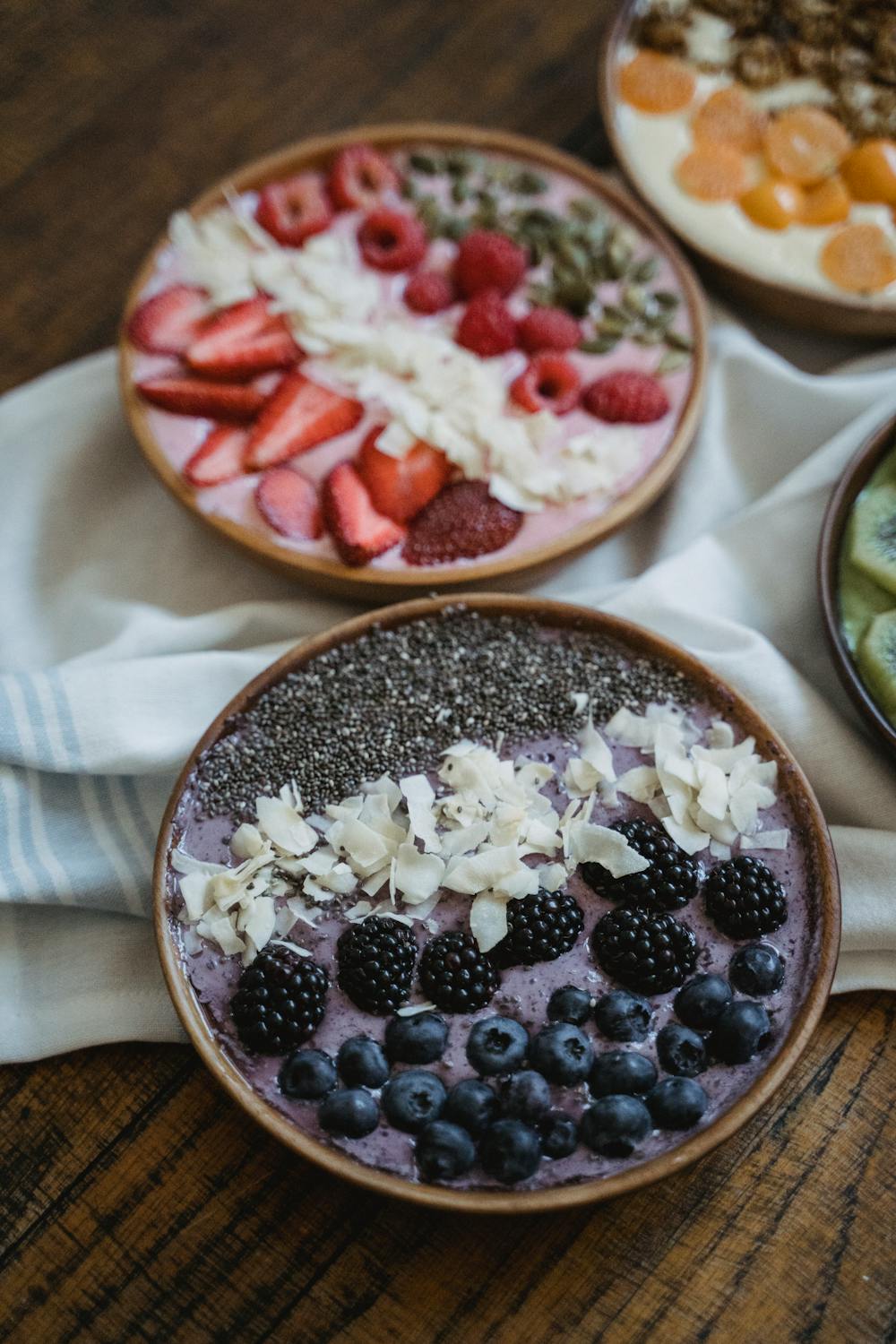 strawberries have a 4,302 ORAC score, which is pretty high, but wild blueberries have a whopping 9,621 score on the ORAC scale! Probably much higher than regular store-bought blueberries, but realistically, the price likely reflects that as well!
- They’re low-carb and low cal: If you’re looking to stay low-carb, you’ve found the right fruit! They’re also great if you’re looking to lower your blood sugar levels. Eating berries won’t spike your blood sugar the same way as a fruit that has less fiber, so it’s a great snack to munch on any time of the day.
- They’re a good source of fiber: Berries are high in prebiotic fiber and move more slowly through our digestive tract, which helps good bacteria grow. They can help strengthen your digestive tract and your entire immune system! This fiber helps to keep you fuller for longer and can keep your bowel movements regular. It is essential to our gut health.
- They’re low in sugar: A cup of raspberrieshas 4g of sugar compared to a cup of pineapple, which has 16g of sugar. Whether or not you’re sensitive to sugar, that’s still a huge difference!
- They’re natural anti-inflammatories: Polyphenols in berries contribute to the bright colors, and can help cut down on chronic inflammation.
Don’t forget berry-picking season is between June and September! Take advantage and get your family outside to pick your very own!
Tomatoes
I’d say this is one of the most versatile fruits/vegetables in my kitchen!
That’s right, I called it a fruit. I guess both answers are right, but given that tomatoes are generally not used in desserts and are closely related to other fruit-vegetables (such as eggplants and peppers), it is not too counterintuitive for tomatoes to be classified as vegetables.
 Tomatoes contain all four major carotenoids: alpha-carotene, beta-carotene, lutein, and lycopene. Together, they work as a group to provide major health benefits! Just like watermelon, tomatoes contain huge amounts of lycopene. Because of it’s high levels of beta-carotene, vitamin E, and vitamin C, tomatoes are a great option for antioxidants if you want to skip the fruit. Many of us are not getting enough of these vitamins, so tossing a tomato on a burger or in a salad is highly recommended!
Tomatoes also contain high levels of potassium (a type of electrolyte), making them a great option before or after a workout instead of a banana, which is much higher in sugar.
Rich in carotenoids, tomatoes come in many forms, some of which contribute a higher level of this antioxidant. For example, the amount of carotenoids absorbed by human intestinal cells is much greater with tomato paste enriched with tomato peels compared to tomato paste without peels, according to a study from Marseille, France. Keep your tomato skin! That’s what holds most of the flavonols, a phytochemical that includes quercetin, which is used in the body as an anti-inflammatory, for chronic fatigue syndrome, treating chronic infections, and gout.
Mix it up! Having both cooked and raw tomatoes will deliver different benefits.
Leafy Greens
I’d say these are one of the easiest to toss into a meal or a smoothie, especially for those pickier eaters out there!
Leafy greens offer so many health benefits, such as brain support, boosting heart health, reducing the risk of certain cancers, and can help build strong bones. Yep, that’s right! There is more calcium in some veggies than in milk.
- Kale: rich in lutein, which is great for eye health.
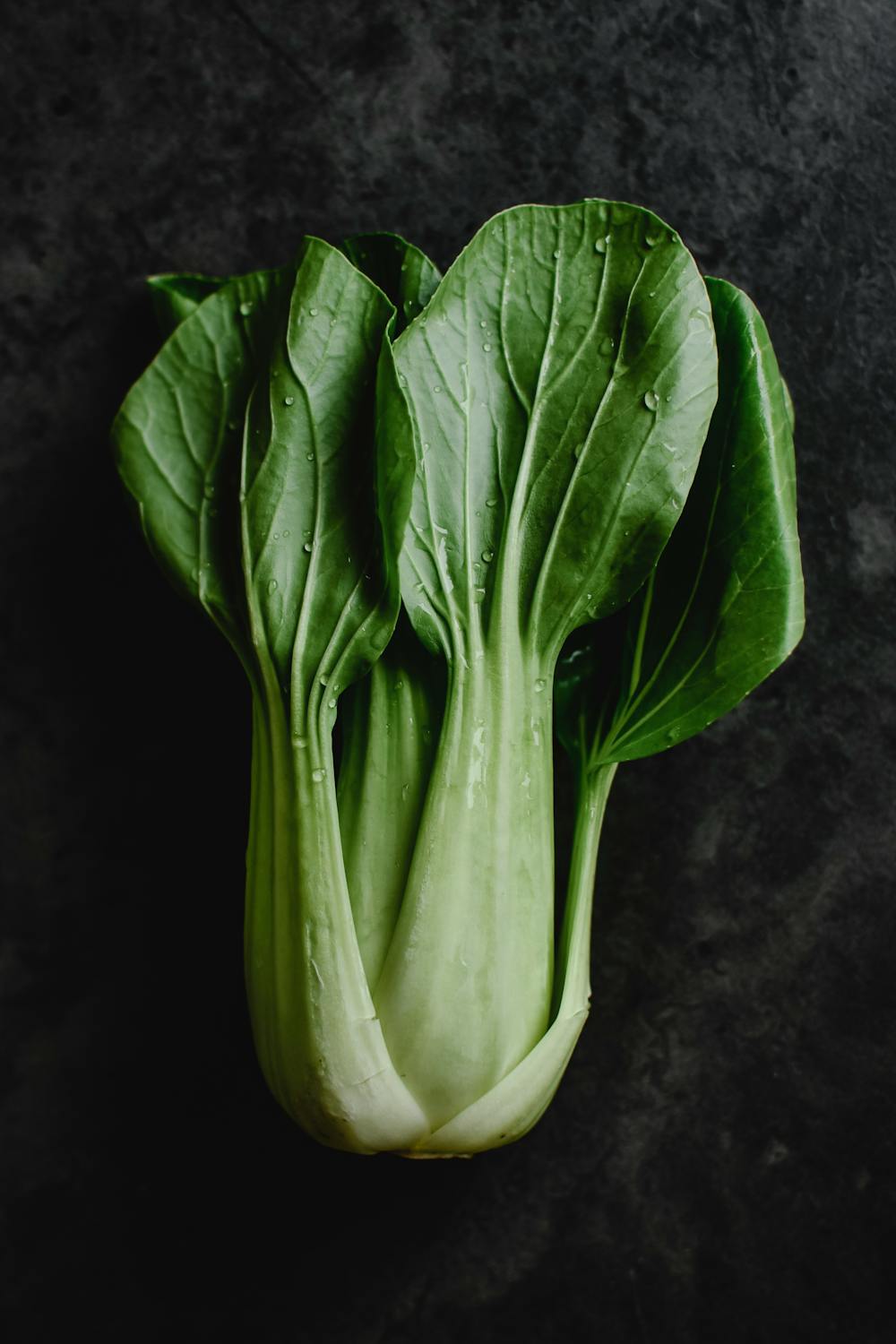
- Spinach: packed with magnesium, great for healthy bones.
- Mustard Greens: contain vitamin K, which enhances calcium absorption.
- Broccoli: this cruciferous vegetable helps reduce the risk of certain cancers.
- Swiss Chard: packed with potassium, which can help lower blood pressure. This is one of my favorite greens to add to a smoothie!
- Boy Choy: packed with vitamin C to help boost the immune system!
- Collard Greens: contains vitamin A, which supports brain function.
These are just a few examples of Greens to get you started. There are so many more, and these tend to be available year-round, depending on where you live. Remember, you can buy these products frozen if they are not seasonally available! They are frozen at peak ripeness and are therefor sometimes even more nutrient-dense when picked up from the frozen aisle.
Zucchini
Not a fan favorite, even with it’s mild flavor.
Fear not: This summer squash pairs well in so many recipes! It can also be easily masked if you don’t enjoy the 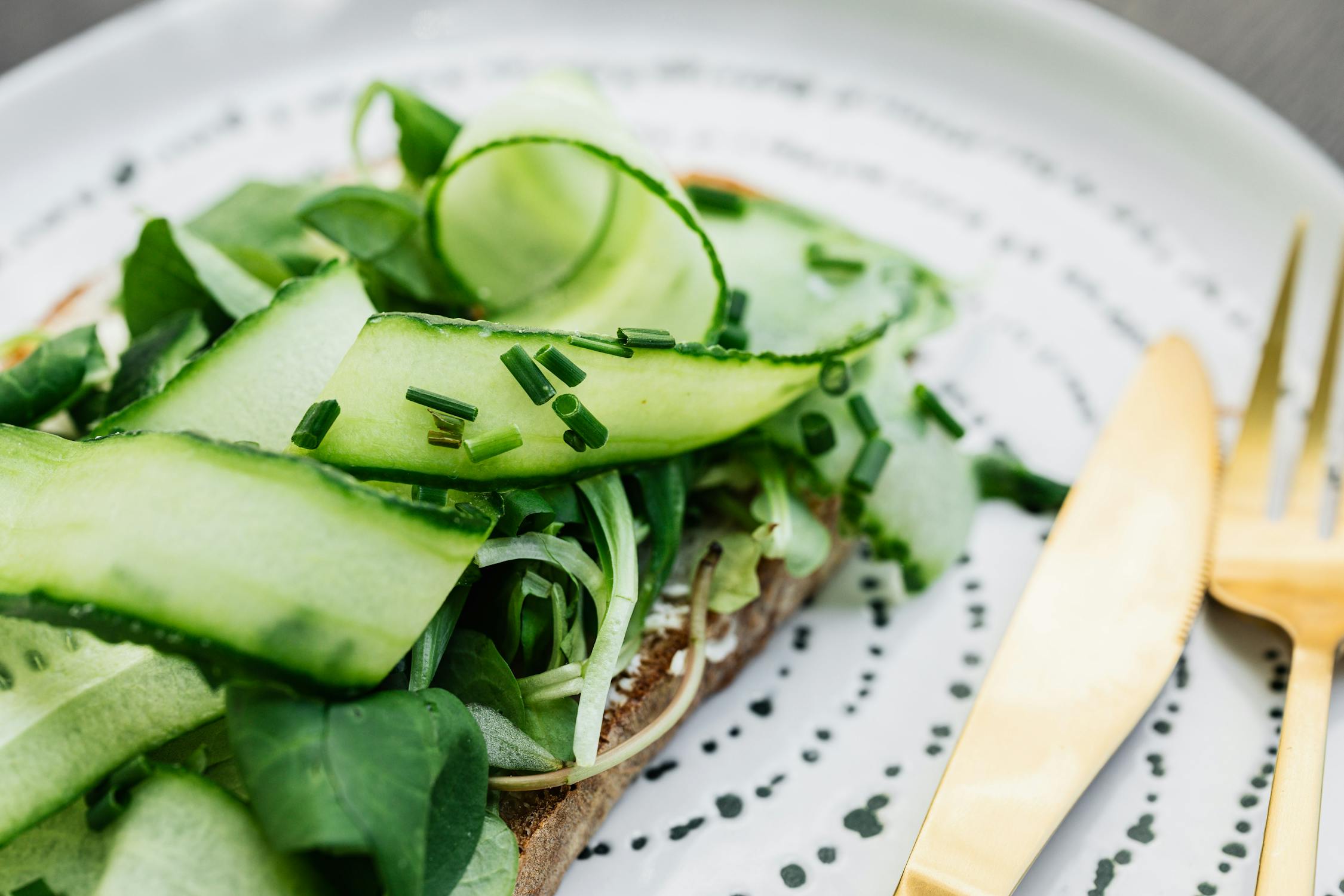 texture or taste.
Low in calories and high in nutrients, zucchini is technically a fruit, just like tomatoes! It is packed with imporant vitamins, minerals, and antioxidants.
It’s high fiber content helps with digestion and can limit the likelihood of suffering from any variety of GI issues. Not only that, but it’s also rich in water, which can aid in healthy digestion by reducing the risk of constipation. For those looking to lose weight, this ia one of your best options!
Other health benefits include, diabetes prevention and management (thanks to vitamin B6), improved eye health (thanks to lutein and zeaxanthin), and containing high levels of folate, potassium, and vitamin A.
I highly recomment checking out these delicious recipes and ways to store your zucchini!
Oranges
A nice Summer Sangria wouldn’t be complete without orange slices! But there are also other benefits to oranges and other citrus fruit…
Oranges contain the infamous Vitamin C, which many of us associate with citrus fruits. But did you know the Oranges contain the most of all the citrus fruits? Vitamin C is a potent antioxidant that protects cells by scavenging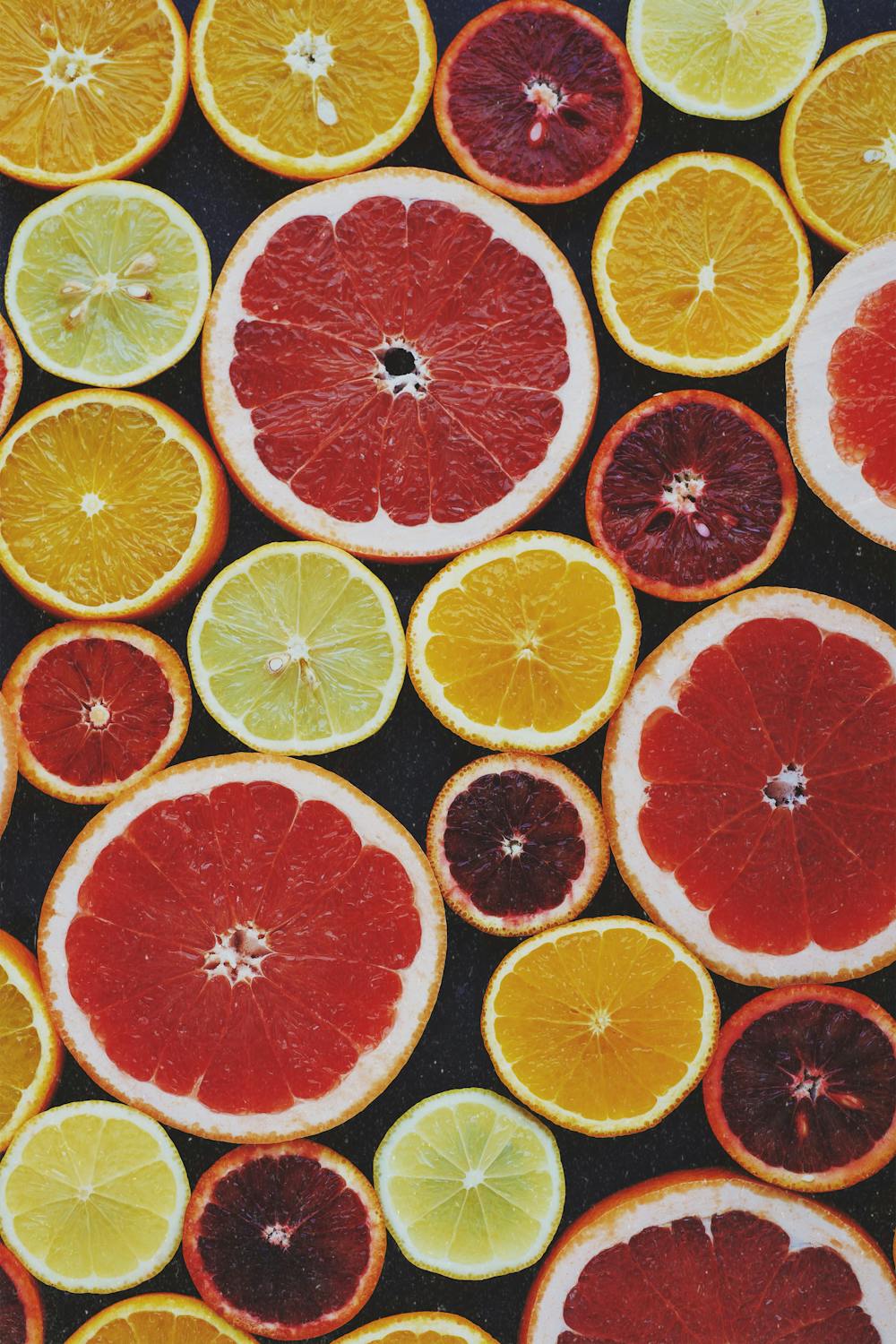 and neutralizing hamrful free radicals. It’s great for your skin (when applied topically), can help your immune system, and has been linked with a lower risk of certain cancers and heart disease.
The best way to eat these is fresh in food or on their own. All the fiber is found in the rind and in the orange pith, the white substance between the peel and the flesh. Avoid orange juice if you are looking to consume fewer calories and sugar, since it’s pretty easy to overdo it when it comes to juice!
Just like many of the other fruits and veggies on this list, oranges are high in fiber, potassium, and choline, which are all good for your heart.
My personal favorite orange is the Cara Cara orange, which has a grapefruit color when opened up! They’re super sweet and aren’t quite as tangy, which makes it easier for me to eat since I’m very sensitive to acidic fruits. There are over 600 varieties of oranges, but some popular varieties include Valencia, Blood, Seville, Navel, Mandarin, and Tangerine oranges.
Whenever I’m sick, I juice an orange and mix it with turmeric, oregano oil, and a bit of ginger. You can blend this concoction together, or just chug it down. It burns but offers an incredible amount of vitamin C, anti-inflammatory properties of turmeric and ginger, and the oregano oil will kill off lots of the bad bacteria in your throat and mouth. Give it a try if you’re brave!
Conclusion
The key to eating nutrient-dense during the summer is to pack as much color onto your plate.
Although I highly recommend the produce above while it’s in season, you may also want to consider other options, like Quinoa tossed into a salad, Salmon barbecued with lemon on a cedar plank, or Gingery Greek Yogurt thrown into a Curried Tomato Coconut Lentil dish.
The options are endless in the summer, and this is your time to take advantage (and be grateful) to all the goodness pachamama has to offer!
What are your favorite Summer ingredients? Do you have a go-to recipe for you or your family? Is there anything you wish you could make but haven’t had the time to try? Give it a shot and let us know how it goes!
Resources:
- https://blog.myfitnesspal.com/nutrient-dense-summer-foods-to-keep-you-fuller-longer/
- https://www.livescience.com/46019-watermelon-nutrition.html
- https://foodrevolution.org/blog/avocado-health-benefits/
- https://medium.com/@amy_49114/health-benefits-of-berries-and-how-to-eat-more-this-summer-12796b3e2acc
- https://www.webmd.com/food-recipes/features/health-properties-tomatoes
- https://www.webmd.com/diet/health-benefits-zucchini#1
- https://www.livescience.com/45057-oranges-nutrition-facts.html


