Category: Mental Health

  • Nervous about Your Nervous System? Try These 5 Supplements for Support

    Nervous about Your Nervous System? Try These 5 Supplements for Support

    The nervous system is a complex network that controls our body’s movements, sensations, and cognitive functions. It plays a crucial role in maintaining overall health and well-being. However, due to our hectic lifestyles, poor dietary choices, and stress, our nervous system can become compromised. Fortunately, certain supplements can help support the nervous system and improve its functioning.

    In this blog post, we will explore 5 supplements that can provide nervous system support.

    1. Magnesium: Magnesium is a vital mineral that plays a crucial role in various bodily functions, including nerve function. Studies have shown that magnesium deficiency can cause neurological disorders such as anxiety and depression. Magnesium can help calm the nervous system and reduce anxiety by regulating the release of stress hormones. It also supports brain function by enhancing memory and cognitive performance. Magnesium supplements are widely available and can be easily incorporated into your daily routine.

    2. Omega-3 Fatty Acids: Omega-3 fatty acids are essential nutrients that our bodies need but cannot produce on their own. These fatty acids play a crucial role in brain function and development. Studies have shown that omega-3 supplements can reduce anxiety and depression by decreasing inflammation and regulating neurotransmitters. Omega-3 supplements can be found in fish oil, krill oil, or algae-based supplements.

    3. Vitamin B-Complex: The B-vitamins are essential for maintaining a healthy nervous system. They play a crucial role in nerve function, neurotransmitter synthesis, and energy production. Vitamin B6, in particular, can help reduce stress and anxiety by increasing the production of the neurotransmitter GABA. A deficiency in B-vitamins can lead to neurological disorders such as peripheral neuropathy and depression. Vitamin B-complex supplements are widely available and can provide overall nervous system support.

    4. Ashwagandha: Ashwagandha is an adaptogenic herb that has been used in Ayurvedic medicine for centuries. It has been shown to reduce stress and anxiety by regulating cortisol levels and enhancing GABA receptors. It also has neuroprotective properties and can improve cognitive function. Ashwagandha supplements can be found in capsule or powder form.

    5. L-Theanine: L-Theanine is an amino acid found in tea leaves that has been shown to have a calming effect on the nervous system. It works by increasing alpha waves in the brain, which promotes relaxation without causing drowsiness. L-Theanine also improves cognitive function and can enhance attention and memory. L-Theanine supplements can be found in capsule or powder form.

    The nervous system is a crucial component of our overall health and well-being. Poor dietary choices, stress, and environmental factors can compromise its functioning. Fortunately, certain supplements can provide nervous system support and improve its functioning. Magnesium, Omega-3 fatty acids, Vitamin B-complex, Ashwagandha, and L-Theanine are all supplements that can help support the nervous system. Always consult with a healthcare professional before starting any new supplement regimen.

    Sources:

    • Boyle, N. B., Lawton, C., & Dye, L. (2017). The Effects of Magnesium Supplementation on Subjective Anxiety and Stress—A Systematic Review. Nutrients, 9(5), 429.
    • Grosso, G., Pajak, A., Marventano, S., Castellano, S., Galvano, F., & Bucolo, C. (2014). Role of omega-3 fatty acids in the treatment of depressive disorders: a comprehensive meta-analysis of randomized clinical trials. PloS one, 9(5), e96905.
    • Kennedy, D. O., & Wightman, E. L. (2011). Herbal extracts and phytochemicals
  • Rhodiola: The Natural Remedy for Anxiety and Depression

    Rhodiola: The Natural Remedy for Anxiety and Depression

    Are you feeling anxious, depressed, or just generally stressed out? Well, have no fear, because Rhodiola is here! That’s right, Rhodiola – the herb that’s been used for centuries in traditional medicine – can help improve your mood and reduce anxiety.

    First, let’s talk about what Rhodiola is. It’s a plant that grows in cold regions of the world, such as the Arctic and mountainous areas of Europe and Asia. Its root has been used for thousands of years in traditional medicine, particularly in Russia and Scandinavia, to treat a variety of ailments, including depression, fatigue, and anxiety.

    Now, let’s get down to the nitty-gritty of how Rhodiola can benefit your mental health. One of the key ways it does this is by reducing the amount of cortisol in your body. Cortisol is a hormone that’s released when you’re stressed, and it can cause a lot of damage to your body if it’s chronically elevated. Rhodiola can help reduce cortisol levels, which in turn can help alleviate anxiety and improve mood.

    But that’s not all – Rhodiola has also been shown to boost the levels of serotonin and dopamine in the brain. These are two important neurotransmitters that are responsible for regulating mood, among other things. By increasing the levels of these neurotransmitters, Rhodiola can help improve mood and reduce symptoms of depression.

    Another way that Rhodiola can benefit your mental health is by reducing inflammation in the body. Chronic inflammation has been linked to a variety of mental health conditions, including depression and anxiety. Rhodiola has anti-inflammatory properties that can help reduce inflammation and improve overall health.

    So, how can you get your hands on some Rhodiola? Well, lucky for you, NutraChamps has a Rhodiola supplement that’s perfect for anyone looking to improve their mood and reduce anxiety. Their Rhodiola supplement is made with high-quality, pure Rhodiola root extract, and is free from any artificial fillers or additives. Plus, it’s vegan-friendly and non-GMO, so you can feel good about what you’re putting in your body.

    In conclusion, if you’re looking for a natural way to improve your mood and reduce anxiety, Rhodiola might just be the herb for you. With its ability to reduce cortisol levels, boost neurotransmitters like serotonin and dopamine, and reduce inflammation, Rhodiola can help improve your overall mental health and wellbeing. So why not give it a try and see how it can benefit you?

    Sources:

    1. https://www.ncbi.nlm.nih.gov/pmc/articles/PMC6208354/
    2. https://www.ncbi.nlm.nih.gov/pmc/articles/PMC7048584/
    3. https://www.ncbi.nlm.nih.gov/pmc/articles/PMC6212985/
    4. https://www.ncbi.nlm.nih.gov/pmc/articles/PMC6212967/
  • Get Happy: GABA’s Mood-Boosting Properties

    Get Happy: GABA’s Mood-Boosting Properties

    Are you feeling anxious or stressed out? Are you having trouble sleeping at night? If so, you may want to consider taking GABA. GABA, or gamma-aminobutyric acid, is a neurotransmitter that plays a crucial role in regulating our mood and sleep patterns. In this blog post, we will explore the benefits of taking GABA and how it can help you lead a more relaxed and peaceful life.

    What is GABA?

    GABA is a neurotransmitter that is naturally produced in the brain. It works by inhibiting the activity of neurons, which helps to reduce anxiety and promote relaxation. When we experience stress or anxiety, our brains release a chemical called glutamate, which stimulates our neurons and makes us feel more alert. GABA works by counteracting the effects of glutamate, which helps to calm our nerves and reduce anxiety.

    Benefits of taking GABA

    1. Reduces Anxiety

    One of the main benefits of taking GABA is its ability to reduce anxiety. Studies have shown that GABA supplements can help to reduce symptoms of anxiety and improve mood. In fact, one study found that GABA was just as effective as a prescription anti-anxiety medication in treating anxiety disorders.

    1. Improves Sleep

    Another benefit of taking GABA is its ability to improve sleep. GABA plays a key role in regulating our sleep-wake cycle and promoting restful sleep. Studies have shown that GABA supplements can help to improve the quality and duration of sleep, making it easier to fall asleep and stay asleep throughout the night.

    1. Boosts Mood

    GABA also has mood-boosting properties. It can help to increase levels of dopamine and serotonin, two neurotransmitters that are associated with feelings of happiness and well-being. By boosting these neurotransmitters, GABA can help to improve mood and reduce symptoms of depression.

    1. Reduces Inflammation

    Inflammation is a natural response to injury or infection, but chronic inflammation can lead to a host of health problems, including heart disease, diabetes, and cancer. GABA has been shown to have anti-inflammatory properties, which can help to reduce inflammation throughout the body and improve overall health.

    Taking GABA can have a range of benefits, including reducing anxiety, improving sleep, boosting mood, and reducing inflammation. If you are interested in trying GABA supplements, we recommend NutraChamps Calm Gummies, which contain GABA along with other calming ingredients like L-Theanine and Lemon Balm. So, go ahead and give GABA a try – your body and mind will thank you for it!

    Sources:

    • Abdou, A. M., Higashiguchi, S., Horie, K., Kim, M., Hatta, H., & Yokogoshi, H. (2006). Relaxation and immunity enhancement effects of gamma-aminobutyric acid (GABA) administration in humans. BioFactors (Oxford, England), 26(3), 201–208.
    • Byun, J. I., Shin, Y. Y., Chung, S. E., & Shin, W. C. (2018). Safety and Efficacy of Gamma-Aminobutyric Acid from Fermented Rice Germ in Patients with Insomnia Symptoms: A Randomized, Double-Blind Trial. Journal of Clinical Neurology (Seoul, Korea), 14(3), 291–295.
    • Lapin, I. P. (2001). Phenibut (beta-phenyl-GABA): a tranquilizer and nootropic drug. CNS drug reviews, 7(4), 471–481.
    • Wang, Y., Liu, X., Zhou, H., Liu, L., & Zhang, Y. (2021).
  • Yerba Mate: The South American Secret to Increased Energy and Mental Clarity

    Yerba Mate: The South American Secret to Increased Energy and Mental Clarity

    Do you need an energy boost but don’t want to feel jittery or crash later? Look no further than yerba mate! This South American herb has been used for centuries for its invigorating effects, and it’s time for you to hop on the yerba mate train. Not only will it give you a boost of energy, but it’s packed with health benefits too. So, let’s dive into why yerba mate is the drink of the gods (or at least, the drink of the gauchos).

    Where Yerba Mate Comes From:

    Yerba mate is native to South America and is the national drink of Argentina, Uruguay, and Paraguay. It comes from the leaves of the Ilex paraguariensis plant and is traditionally consumed in a gourd with a metal straw called a bombilla. The drink is often shared among friends and is a significant part of the social fabric of South America.

    Yerba Mate Today:

    Yerba mate has gained popularity worldwide in recent years, and for good reason. It’s packed with antioxidants, vitamins, and minerals that benefit the body in many ways. Some of the benefits include increased energy, mental clarity, and even weight loss. Yerba mate is a natural source of caffeine, theobromine, and theophylline, which makes it a healthier alternative to coffee or energy drinks. Not only does it provide a boost of energy, but it also helps to improve focus and concentration. That’s why NutraChamps has included yerba mate in its supplement, Focused Energy, for maximum mental clarity and focus.

    Yerba mate also has anti-inflammatory properties that can help reduce the risk of chronic diseases like heart disease and cancer. It’s also been shown to improve digestion and reduce the risk of gastrointestinal issues like constipation and diarrhea. And if you’re looking to lose weight, yerba mate can help with that too. It can increase metabolism and suppress appetite, making it easier to stick to a healthy eating plan.

    So, what are you waiting for? Join the yerba mate bandwagon and reap the benefits of this incredible herb. You can enjoy it as a traditional hot beverage, or try it as a refreshing iced tea. There are even yerba mate energy shots and supplements available on the market. With so many options, it’s easy to incorporate yerba mate into your daily routine.

    In conclusion, yerba mate is the perfect pick-me-up for anyone looking for a natural energy boost. Not only does it provide sustained energy without the crash, but it also has numerous health benefits. From reducing inflammation to aiding in weight loss, yerba mate is an herb that you don’t want to miss out on. So, give it a try, and who knows, it might just become your new go-to drink.

    Sources:

    1. Heck, C. I., de Mejia, E. G. (2007). Yerba Mate Tea (Ilex paraguariensis): A Comprehensive Review on Chemistry, Health Implications, and Technological Considerations. Journal of Food Science, 72(9), R138-R151.

    2. Gambero, A., & Ribeiro, M. L. (2015). The Positive Effects of Yerba Maté (Ilex paraguariensis) in Obesity. Nutrients, 7(2), 730-750.

    3. Miranda, D. D. C., Arcari, D. P., Pedrazzoli Jr, J., & Carvalho, P. O. (2015). Yerba Mate (Ilex paraguariensis) consumption is associated with higher bone mineral density in postmenopausal women.

  • From Ashwagandha to Rhodiola: Exploring the Different Types of Adaptogens

    From Ashwagandha to Rhodiola: Exploring the Different Types of Adaptogens

    In today’s fast-paced world, stress is an ever-present part of our lives. Stress can come from work, relationships, and even our daily routines. And if you’re like most people, you probably feel like you could use a little help dealing with it. Well, have no fear, because adaptogens are here!

    What are Adaptogens?

    Adaptogens are a class of herbs and natural substances that have been shown to help the body adapt to stress. They work by supporting the body’s natural ability to deal with stress and maintain balance. The term adaptogen was first coined in 1947 by a Russian scientist named Nikolai Lazarev, who was studying plants that helped the body adapt to stress. Since then, many studies have been conducted on the benefits of adaptogens, and they have become increasingly popular in the health and wellness industry.

    How do Adaptogens work?

    Adaptogens work by regulating the body’s stress response. When we experience stress, our bodies release cortisol and other stress hormones, which can have a negative impact on our health. Adaptogens help to regulate these hormones and reduce their negative effects. They also support the immune system, improve energy levels, and promote overall well-being.

    Different Types of Adaptogens

    There are many different types of adaptogens, each with their own unique benefits. Here are just a few examples:

    • Ashwagandha: Ashwagandha is a popular adaptogen that has been used in Ayurvedic medicine for centuries. It is known for its ability to reduce stress and anxiety, improve sleep, and enhance cognitive function.

    • Rhodiola: Rhodiola is another adaptogen that has been used for thousands of years in traditional medicine. It is known for its ability to improve mood, increase energy levels, and reduce fatigue.

    • Maca: Maca is a root vegetable that grows in the Andes Mountains of Peru. It has been used for centuries as a natural remedy for a variety of health issues, including stress, anxiety, and fatigue.

    There are many other adaptogens available, each with their own unique benefits. Some other examples include ginseng, holy basil, and licorice root.

    NutraChamps Adaptogen Products

    If you’re interested in trying adaptogens for yourself, NutraChamps has a variety of adaptogen products to choose from. Here are just a few examples:

    • Ashwagandha: Our ashwagandha supplement is made with organic ashwagandha root powder and is designed to support stress relief and promote a calm, relaxed state of mind.

    • Rhodiola: Our rhodiola supplement is made with pure rhodiola rosea root extract and is designed to support energy, focus, and mental clarity.

    • Maca: Our maca supplement is made with organic maca root powder and is designed to support energy, stamina, and sexual health.

    Adaptogens are a powerful tool for managing stress and promoting overall well-being. Whether you’re looking to improve your mood, increase your energy levels, or reduce anxiety, there is an adaptogen that can help. And with NutraChamps’ range of adaptogen products, it’s easier than ever to incorporate these powerful herbs into your daily routine. So why not give them a try and see how they can benefit you?

    Sources:

    • Panossian, A., & Wikman, G. (2010). Effects of Adaptogens on the Central Nervous System and the Molecular Mechanisms Associated with Their Stress—Protective Activity. Pharmaceuticals, 3(1), 188–224. https://doi.org/10.3390


  • Emotional Intelligence 101

    Emotional Intelligence 101

    Do you have a hard time dealing with your emotions? You’re definitely not alone. In fact, many people don’t know how to actually identify the emotions they’re feeling. Wikipedia defines emotional intelligence as the ability to perceive, use, understand, manage, and handle emotions. Even though this skill is highly crucial, a statistic from Harvard business shows us that fewer than 20% of companies even qualify as emotionally intelligent. In order to be truly successful in many areas of life, having emotional intelligence is a key component. 

    In this blog post we are going to talk about all things emotions including some of the signs that you might be overly impacted by emotions. We are also going to define what emotions really are and give you some tips to practice emotional intelligence. If you’re looking to improve in this area, you’ll definitely want to continue reading!

    Are emotions controlling your life?

    Without even realizing it, your emotions might be running the show. Emotions aren’t something we can visibly see, only something that can be felt, and sometimes they can go under the radar. Many people have learned how to suppress or hide their emotions so well that they have become numb to their feelings.

    The good news is that when properly dealt with and expressed, emotions are a healthy and productive part of the human experience. If you have a suspicion that negative or repressed emotions are controlling the way you think, feel, and act these are some signs:

    1. You’re constantly keeping busy
    2. You avoid confrontation
    3. You’re easily triggered
    4. You’re quick to react instead of thinking about how to respond
    5. You often numb yourself with alcohol, drugs, overindulgence 

    Distraction and avoidance are two things that keep people stuck in not knowing how to properly deal with their emotions. You might think that these two behaviours are helping you stay in control of your emotions, but in fact the opposite is true.


    What are emotions?

    Emotions are quite interesting when you really think about it, they’re made up of three main components, a subjective experience, a physiological response, and behavioural response. Emotions are a reaction to an external event or situation. An example of this could be feeling joy when you see someone you love, or feeling fear when you need to do a presentation. Emotions influence our daily lives and without knowing how to deal with them functionally, can overwhelm us. 

    As human beings, we have the capacity to feel a wide spectrum of emotions from euphoria to anger. The most important practice when it comes to identifying how you deal with emotions is to see if there is balance. Without balance, you may be riddled with too much fear that can lead to anxiety. With too much pent up anger, it can lead to self-destructive behaviors and coping mechanisms such as smoking, drinking, or doing drugs. 

    In the next section of our blog, we are going to give you some of our best tips to practice emotional intelligence so that you’re in the driver’s seat instead of emotions running you.


    Emotional Intelligence Tips

    Take a moment to pause: 

    When we’re in an emotionally charged state we can tend to react quickly or respond without really thinking things through. Feelings of stress, anger, hurt, or frustration can activate our fight or flight response which comes from the sympathetic nervous system. If you give yourself a chance to pause before reacting it creates space between what’s happening in the body and what you actually want to communicate.  

    Practice breathing when feeling overwhelmed or anxious:

    Worries get the best of us all at some points, when you’re consumed with anxiety and what-ifs a great practice is leaning into the breath. Imagine the breath like an anchor, it can help to keep emotions at bay and provide you with security. When you practice deep breathing you deliver more oxygen to the brain which in turn helps to activate the parasympathetic nervous system. This helps you to get out of your head and into your body, making you more calm and more present.

    Sit with your feelings:

    We live in a society of distraction and avoidance. It has never been more easy to numb our ignore our uncomfortable feelings. While many people think it’s better to not feel negative emotions, the opposite is true. When you resist, feelings will persist. One way of gaining emotional intelligence is to practice actually sitting with your feelings. As hard as it can be, sometimes the only way out is through. By giving yourself time and space to process and deal with emotions you’re allowing your mind and body to accept them. Eventually you’ll teach your body to understand that all feelings are temporary, even the tough ones.

    Practice self-compassion:

    How do you speak to yourself when you’re dealing with negative emotions? Do you show yourself kindness or tear yourself down? Another great way to develop emotional intelligence is to practice self-compassion. If you don’t know where to start, self-compassion can look like comforting yourself, writing yourself a letter of encouragement, or being more mindful. As humans we all deal with a wide range of emotions, the best thing you can do is to learn how to be at peace with them and fully accept them for what they are, just feelings. 


    Building emotional intelligence takes time and practice, it won’t happen overnight but can absolutely improve a little bit every day. No one is an absolute master of their feelings and emotions at all times, after all, we’re only human. But being able to identify where an emotional trigger is coming from or sitting with uncomfortable feelings can improve your life immensely. 

    Sources:

    https://www.niagarainstitute.com/blog/emotional-intelligence-statistics

  • 6 Ways to Ground Yourself When Feeling Anxious

    6 Ways to Ground Yourself When Feeling Anxious

    Living in a fast-paced world, working in a high stress environment, or keeping up with a never ending to-do list can cause our heads to spin a little bit. With the pressures and stress of every day life it can become pretty easy to feel un-grounded. Anxiety is a common sensation when things begin to feel out of control. Stress happens to all of us and at times it impacts some more than others. Now, more than ever, it’s extremely important to find ways to calm our nervous systems and ground ourselves. 

    What does grounding mean? It’s about finding ways to bring yourself back to the present moment. Anytime we are feeling anxious, stressed, or overwhelmed we are caught up in our minds and not in our bodies. In order to bring yourself back into your body and feel more calm you must learn how to ground yourself, even in moments of chaos and uncertainty.

    In this article we’re going to share the 6 best tools for grounding yourself! If you practice these daily you’ll be sure to eventually regulate your nervous system and feel more centred. 


    Breathing: One of the most powerful, effective, and free tools we can use to regulate our nervous systems is breathing. Deep breathing activates the parasympathetic nervous system which sends a signal to your brain saying it’s okay to calm down and relax. Telling you that you’re safe. 

    There are many different breathing exercises that experts recommend for when you feel anxious and stressed.

    One of the best breathing techniques you can do is box breathing. The best way you can visualize this breathing technique is to imagine a square shaped box in front of you. You’re going to start by breathing in for a count of 4, holding your breath for a count of 4, breathing out for a count of 4, and breathing in for a count of 4 again. You can repeat this cycle as many times as you need to when feeling panic, nervousness, or anxiety. This will help to slow your breathing and heart rate, allowing you to feel more peaceful.

    Another breathing technique you can try out is the 4-7-8 technique. In order to practice this you’re going to start by inhaling for a count of 4 seconds, then holding your breath for 7 seconds, and exhaling for 8 seconds. This breathing technique won’t come naturally right away but by practicing it twice a day you’ll be able to work your way up to doing this more often.

    Movement: Another fantastic way to ground yourself is by moving your body! Many of us have sedentary jobs and are lacking the exercise our body needs to feel its best. The good news about movement for grounding yourself is that it doesn’t need to be long or strenuous. Movement for your nervous system can be as simple as yoga, a walk outside, or some stretching. By moving the body we’re getting out of our heads and into our physical form, allowing us to release pent up energy. 

    Nature: The term “grounding” actually comes from being in nature and planting your feet on the ground or earth. Studies have actually found that contact of the body with the Earth actually provides a multitude of benefits for the body such as reduced inflammation, stress, pain, improved blood flow, better sleep, and so much more. Sitting, walking, or standing barefoot in grass, soil, or even sand can help you feel grounded and amazing. 

    Cold or hot therapy: There has been a lot of talk lately about cold showers and all of the benefits they provide. A cold shower or ice bath may seem like something that would induce anxiety, but with practice, the opposite is actually true. Mentally, cold therapy is great because it trains your brain to realize that it can actually handle discomfort and that you’re stronger than you think. Physically, cold therapy actually helps to lower cortisol levels in the body and lowers the heart rate. This allows you to feel more relaxed and calm overall. 

    Meditation: It’s so easy to get lost in our thoughts and spiral into worries and fears, it happens to the best of us. When you start to feel overwhelmed by internal chatter one amazing tool you can use is meditation. Meditating is a practice that trains attention and awareness.

    The great thing about meditation is that it doesn’t have to be a super long process, even taking 5 minutes of your day to listen to a guided meditation or sit in silence can truly help to lower stress, anxiety, and help to bring you back to the present moment.

    If you haven’t tried meditating before there are certain apps available that can help you to get started, some of them include: Headspace, Insight Timer, and Calm. These all have a variety of meditations you can follow from guided to music. Just like anything else, it’s important to commit yourself to the practice of meditation before seeing some lasting results. Extensive research has claimed that significant benefits from meditation can be achieved in eight weeks. All it takes is 10 minutes a day!

    Ignite your senses: Most human beings are lucky enough to be equipped with five working senses: Sight, touch, sound, smell, and taste. Through these senses we can ground ourselves and practice being mindful. If you are in a quiet place while you’re reading this, one thing you can try is to do is to ignite those five senses right now. Try this out!

    • Look around you, what can you see in your surroundings?
    • What do you feel around you?
    • Can you hear anything in particular?
    • What can you smell?
    • Do you taste anything?

    After practicing this exercise, take note of how you feel. Are you more centred and grounded? Are you more calm? What’s great about igniting your senses is that you can really do it at any time! Practice this tool when you feel overstimulated to reap the best benefits possible.


    Hopefully you’ve gained some more insight and knowledge into ways you can help to calm the storm that we all face at times. As much as we can try to avoid things like stress, anxiety, or uncertainty we are all going to face it at one point or another. By equipping yourself with tools for grounding you will begin to feel more in control and safe when moments of turbulence do come up in life.

    What was your favorite grounding technique that you learned from this article? We would love to hear from you in the comment section of our blog! 


    Sources:

    https://www.utoledo.edu/studentaffairs/counseling/anxietytoolbox/breathingandrelaxation.html#:~:text=Deep%20breathing%20and%20relaxation%20activate,oxygen%20to%20the%20thinking%20brain.

    https://www.sciencedirect.com/science/article/pii/S1550830719305476#:~:text=Earthing%20(also%20known%20as%20grounding,and%20generates%20greater%20well%2Dbeing.

  • Top 7 Natural Ways To Keep A Healthy Brain

    Top 7 Natural Ways To Keep A Healthy Brain

    Your brain is one of the most important organs in your body. It controls all of your actions, thoughts, and bodily processes. There are many natural ways to keep your brain functioning at its best in your current stage of life and for years to come. Below we will review a few easy ways to avoid major cognitive impairment and keep your brain tuned for good health.

    What Is a Healthy Brain?

    A healthy brain is essential for cognitive health and overall well-being. Your brain needs a continual supply of oxygen and nutrients in order to function properly. The brain also requires a balance of chemicals in order to maintain communication between cells.

    The brain needs stimulation in order to keep brain cells active and to promote the growth of new cells. There are a number of things you can do to keep your brain healthy, including eating a healthy diet, getting regular exercise, and staying engaged in mentally stimulating activities.

    Cognitive stimulation – such as reading, doing puzzles, and learning new skills has also been linked with better brain health.

    By following these natural and simple tips, you can help keep your brain healthy for years to come:

    Diet

    Diet and environmental factors are some of the largest contributors toward the health of our brain, spinal cord, and nerves. These vital organs are responsible for sending messages back and forth between your body and your brain.

    This communication is essential for everything from coordinating muscle movement to processing information and forming memories.

    Proper nutrition is essential for avoiding cognitive decline as we reach old age. The fats found in olive oil or avocados, for example, are important for the proper development and function of nerve cells. Switching out the loads of refined carbohydrates and seed oils with natural healthy fats can make a larger positive impact than you might think.

    Omega-3 fatty acids, found in fish oil, are critical for nervous system health. Studies have shown that omega-3 fatty acids may help to protect the brain structure from age-related damage. They are an integral part of cell membranes throughout the body and influence the transmission of signals between cells.

    If you’re looking for ways to keep your brain healthy, think healthy fats, nuts, dark chocolate, turmeric, blueberries or omega 3 heavy proteins like wild caught fish or grass-fed meats.

    Regular exercise

    It’s no secret that exercise is good for your health. Regular physical activity can help you maintain a healthy weight, heart rate, and blood pressure. It can also reduce your risk of developing chronic diseases such as heart disease, stroke, and type 2 diabetes. But did you know that exercise is also good for your brain?

    Research has shown that regular exercise can help to improve memory and brain function. Physical activity helps to increase heart rate and blood flow to the brain, delivering the essential nutrients and oxygen needed.

    Exercise also helps to stimulate the release of brain-derived neurotrophic factor (BDNF), a protein that helps to support the growth and development of new neurons. Regular exercise has been linked to a reduced risk of developing Alzheimer’s disease and other forms of dementia.

    Aerobic exercise helps relax blood vessel walls, lower blood pressure, reduce inflammation, boost mood, and raise “good” HDL cholesterol.

    So, if you’re looking for a way to keep your mind sharp and healthy, keep moving!

    Stay social

    There are a lot of benefits to staying social. In addition to the obvious emotional benefits of maintaining relationships with friends and family, there is also evidence that staying social is just plain good for your mental health. In fact, social interactions can help to keep the mind sharp and may even help to prevent cognitive decline.

    One way that staying social can help you avoid cognitive decline is by providing you with a mental exercise. Just like our muscles, our brains need regular stimulation in order to stay strong and healthy. By engaging in conversations, playing games, and learning new things, we give our brains the workout they need to stay sharp.

    As we age, it’s important to have a supportive network of people we can rely on. This social interaction can help us to cope with stress and adversity, keeping our mind healthy.

    By maintaining relationships and interacting with others, you can give your brain the exercise it needs to stay sharp while also helping you avoid neurological disorders caused by isolation.

    Proper Hydration

    Dehydration can lead to high blood pressure, putting added strain on the brain. This can reduce the number of connections made between brain cells and ultimately impact brain function.

    In one study, participants who were dehydrated performed significantly worse on tests of attention and short-term memory than those who were properly hydrated.

    There is evidence that maintaining proper hydration throughout life may help us to avoid neurological disorders as we age. So drink up my friend! Your brain will thank you for it.

    Sleep Habits

    Most people know that getting a good night’s sleep is important for overall health, but few realize that sleep is also crucial for maintaining a healthy brain.

    During sleep, the brain has an opportunity to rest and repair itself from the day’s wear and tear. Sleep also helps to regulate blood pressure and protect against heart disease.

    Sleep plays a vital role in helping to form new brain connections. These connections are essential for learning and memory, which can be weakened by lack of sleep.

    As a result, getting enough sleep is essential for keeping a healthy brain. So next time you’re feeling run down, give your brain what it needs and catch a few extra Z’s – your brain will thank you for it!

    Meditation & Yoga

    Meditation has been shown to be an effective way to maintain a healthy and positive mind. The power of your thoughts have a direct impact on your health and wellbeing.

    The practice of meditation has been shown to decrease the amount of stress hormones in the body, which can damage brain cells.

    In addition, meditation has been found to increase the levels of healthy neurotransmitters, such as serotonin and dopamine. These help us manage stress and avoid mood disorders.

    Meditation is a healthy habit that can promote brain health by forcing you to slow down, empty your mind, and shift your brain away from negative thought patterns.

    Saunas and hot yoga are great ways to boost the benefits of your meditation practice. Increasing your heart rate and blood flow during a hot yoga session can add additional benefits. Meditate or exercise regularly for a long period of time and see if your body begins to crave it.

    Heat exposure experienced during a sauna can help to reduce inflammation throughout the body, including in the brain. Anything you can do to deliver more oxygen and nutrients to the brain is sure to benefit you in the long term. Consider a regular sauna or hot yoga session, it may just help!

    Natural Remedies

    Ashwagandha is an herb that has been used in traditional Indian medicine for centuries. Ashwagandha promotes neuronal plasticity (the connection between brain cells), the repair and regeneration of nerves. It may also prevent the death of brain cells.Mushrooms such as Lions Mane and a few other fungi are great natural remedies that show promising positive impact on your brain’s ability to make connections. Lion’s Mane in particular has two terpenoid compounds: hericenones and erinacines. These compounds may stimulate the synthesis of nerve growth factor (NGF).

    Panax Ginseng is a herb that has been used for centuries in Traditional Chinese Medicine. It is thought to boost brain function and improve mental clarity. If you’re looking for a natural way to support your brain health, Panax ginseng could be a great option.


    There are many different ways to keep your brain healthy, and it really depends on what works for you. Regardless of the path you choose, we want to encourage you to take control of your health and make small changes that can have a big impact.

    Remember that your brain is always changing, so don’t be afraid to experiment and find what works best for you. With a little effort, you can make sure that your brain stays healthy for years to come.

  • Deep Dive: L-Theanine

    Deep Dive: L-Theanine

    When I first heard of L-Theanine, it seemed like one of those supplements I simply didn’t need because it wasn’t a commonly discussed product. It wasn’t like Vitamin D or Fish Oil, which I already use daily because of all the research that is touting their importance for brain, heart, and joint health.

    I recently started using this supplement again in the morning with my coffee. I take it alongside Gamma-aminobutyric acid (GABA), which is a chemical that is made in the brain. These two supplements are known to help ease anxiety, stress, and reduce insomnia. Before adding these supplements, I was woman smiling while presenting somethingexperiencing a lot of anxiety around bedtime. I was unable to sleep without the help of sleep aids. My naturopath helped me out by suggesting these two products in the morning, and an extra GABA at night. Although I think the GABA helped, the L-Theanine is what I think really did the trick.

    Because of my lack of sleep, I was having trouble concentrating in the morning. L-Theanine mixed with caffeine (my morning coffee) helped a lot with my mental alertness and wakefulness.

    Read on to learn more about how I started supplementing with L-Theanine and how it could possibly help you. You’ll wish you heard of it earlier!


    What is it?

    L-theanine is an amino acid that is difficult to find in your diet. It’s not necessarily an essential amino acid or even a common non-essential amino acid. So why is it so popular and why is there even a market for it?

    It’s known for its anti-anxiety and anti-stress benefits! With less stress, sleep also becomes easier, reducing your chances of insomnia. 

    As I mentioned with GABA above, L-Theanine impacts nerve impulses in the brain, which in turn release neurotransmitters like GABA, which is why I think L-theanine was the major contributor to my lack of anxiety. L-theanine is known as an anxiolytic, which reduces anxiety due to its sedative effect on the body and mind (without all the drowsiness!).

    This unique amino acid is not used to form proteins, unlike other amino acids like L-carnitine, leucine, lycine, or tryptophan. It’s not used to make enzymes, either. 


    Benefits

    The list is ongoing. Most of you reading this blog may actually start to consider adding L-theanine to your morning routine.

    • Anxiety, depression, and mood-related disorders: improve your ability to deal with stress without lethargy. This means you’ll be relaxed, but not so relaxed that you will fall asleep. Theanine may increase alpha brain waves (α-waves), which are associated with a state of “wakefulman studying from a book relaxation,” selective attention mechanisms, arousal, and mental alertness*
    • Insomnia or trouble falling/staying asleep: Why take L-theanine alone? Melatonin is a great addition to this supplement to help reduce stress and help with sleep quality. But be careful with the dose. If you take more than 600mg of L-theanine, you may have opposite effects.
    • Cognitive loss, like dementia or Alzheimers: L-theanine helps protect the brain by preventing excessive glutamate stimulation of the brain cells, which is believed to be linked to neurodegenerative disorders, stroke, and schizophrenia! L-theanine offers neuroprotection for your aging brain!
    • High blood pressure: In stressful events, your blood pressure will naturally spike. L-theanine can help to prevent this by regulating nitric oxide. Adequate production of nitric oxide can help to protect against artery-blocking clots or obstructions, heart attacks, stroke, and other cardiovascular problems. Even 12-24 hours after a stroke, taking L-theanine may help protect brain black board with lightbulb on top and idea bubblescells and reduce damage caused by the stroke.
    • Poor attention span: Theanine helps control fear responses and memory because it impacts two important areas of the brain – the amygdala and hippocampus. Improve your focus with L-theanine and caffeine together (200mg of each). You may notice that you feel more focused without the wired or jittery feeling.

    L-theanine is also said to be helpful in reducing the symptoms of post-traumatic stress disorder (PTSD) and for those with substance dependence, however, I highly recommend speaking to your doctor about how you can use this alongside other medications or treatments (therapy).


    Dietary Sources

    Unfortunately, there really aren’t that many dietary sources of L-theanine, which is why many people

    pouring green tea

    choose to supplement. 

    The main sources of L-theanine in food and beverage are as follows:

    • Green tea, black tea, and certain types of mushrooms

    According to Dr. Axe, here are two specific plants that provide L-theanine:

    • C. japonica and C. sasanqua — These are small shrubs that produce pink and red flowers. They are sometimes used to make tea.
    • The mushroom species called Xerocomus badius — Also called bay bolete, is a brown, edible, pored mushroom found in Europe and North America. This one contains plenty of antioxidants!

    Unless you’re getting glasses upon glasses of tea in your diet, you likely aren’t consuming enough L-theanine, which is when supplementation comes in handy. The great thing is you can take it day or night, and it won’t keep you up late like caffeinated tea would. It isn’t the same as caffeine. It promotes relaxation, while caffeine promotes alertness. 


    Who should take L-Theanine? 

    If you read the benefits of L-theanine and could relate, I’d highly recommend trying this one out. It’s a cheap supplement that doesn’t have too many negative interactions except for those who are on antihypertensive drugs for high blood pressure. However, it’s important to keep some things in mind.

    Special Precautions:

    • Those who are pregnant or breastfeeding should stay on the safe side and avoid using this product. Unfortunately, there isn’t enough reliable information to know if theanine is safe for this group.
    • Children: L-theanine is possibly safe when taken by mouth, short-term. Most studies have been conducted on males aged 8-12 years, but up to 400 mg was safely taken for up to 6 weeks.

    If you are already taking medication, be careful when starting a new supplement like L-theanine. Some adverse reactions include: 

    • Headache
    • Dizziness
    • GI symptoms

    Conclusiongreen powder

    When it comes to dosing L-theanine, I’m going to say what I always say: Start low and go slow.

    Start with the lower range of 200mg by mouth for a couple of weeks. If that feels comfortable and you don’t notice any negative side effects, feel free to add another 200mg. Some people will prefer this dose split into two, while others will take 400mg right away in the morning with their coffee.

    If you have a specific condition, speak with a healthcare professional to find a dose that will work best for you.

    Have you tried L-Theanine before? Did you notice a difference? 


    Resources:

    • https://pubmed.ncbi.nlm.nih.gov/18296328/
    • https://examine.com/supplements/theanine/
    • https://www.drugs.com/npp/l-theanine.html
    • https://www.psychologytoday.com/ca/blog/sleep-newzzz/201708/what-you-need-know-about-l-theanine
    • https://draxe.com/nutrition/l-theanine/
    • https://www.ncbi.nlm.nih.gov/pmc/articles/PMC7647716/
  • The Psychology of Weightloss

    The Psychology of Weightloss

    You may have heard of weight-loss apps like Noom, WW (Weight Watchers), and MyFitnessPal before. 

    They’re popular among many smartphone users, even those among us who are not actively looking to lose weight. They are wonderful measures of how much we are eating in a day, the macronutrients that we are ingesting, a way to gain weight, and even a way to track in the short-term or the long-term. This is what I love about these apps; they provide motivation, coaching, and guidance for your health journey, no matter the goal.

    So why did these apps come about? Apps like these came about for convenient accountability. When your phone is always in your pocket or in your purse, it’s harder to make excuses. We no longer need to see a nutritionist, dietician, or doctor (although I highly advise against getting rid of your family physician); we have all the advice we need in the palm of our hand. 

    That being said, some of these apps don’t work quite as well as others when it comes to weight loss. For example, when using an app like MyFitnessPal, which is fantastic, you may only focus on the calories and ignore the types of food that you ingest. You may be hitting your target calorie count (or below it), but maybe you’re eating foods void of any nutrients, or maybe you’re only getting 4 hours of sleep a night. You may just be going through a stressful period of time where your body is trying to hold onto weight as a coping mechanism. 

    It will also depend on who’s using the app. Are you overweight and familiar with using an app for meal tracking? Then sure, the app might work for you. However, one study showed that for the average primary care patient, introducing a smartphone app was unlikely to produce significant weight change*. This comes as no surprise; many of us have trouble self-monitoring our diets and need more accountability.

    So what makes an app work? What is it that people need to stay accountable, and make lasting changes to maintain a healthy living?


    Behavioural Weight Loss

    Many of us have been victims of fad diets. We restrict until we hit our goal weight or until our body tells us it’s had enough, and then we binge from all of the restrictions we placed on ourselves. Yet, even with that knowledge, at any single moment in the United States, about 70% of the population is trying to lose weight or “be healthy” by restricting their food intake and increasing their exercise. scale and measuring tape
    So why do we keep doing the same thing over and over again? It turns out that only 20% of these people are making the necessary lifestyle changes needed to be healthy in a sustainable way. 

    Sure, there may be a physical and maybe even mental change in your behavior when you lose weight successfully from calorie restriction. We already know that when you eat fewer calories, you are able to lose weight. But this isn’t maintainable long-term.

    Today, I’m going to share some other ways of thinking about weight loss (feel free to insert your own goal here – everything is applicable!) so that you can achieve more realistic and long-term results. This is not new information. As I said above, many apps are already taking part in behavioral science to alleviate some of the negative connotations of diet culture. In the end, we’re all on a diet, whether we restrict calories or not. But what else can we do to make sure we don’t only focus on food?


    Behavioral + Lifestyle Changes For Success

    If you’ve only tried calorie counting and exercise in order to lose weight, consider the following options. Some of these might sound familiar to you, while others may feel completely foreign. I suggest introducing one new thing to your current routine and seeing how it works over the span of a week, maybe even up to a month, before adding a new lifestyle change.

    Goal setting

    This seems obvious. But how often do you go on a diet simply hoping to fit back into your jeans from 5 years ago? Or maybe you’re trying to fit into a dress for a wedding set 6 months from now?

    In this case, you aren’t just aiming to “lose weight”. You are setting a quantitative (measurable goal. You can do this in many different ways, but I personally enjoy the SMART method:

    • Specific: Make your goal as specific as possible. You don’t want any second-guessing when it comes to whether or not you’ve achieved your goal.
    • Measurable: Either a number on the scale, fat percentage lost or gained, calories or anything that can be measured (quantitative or qualitative). This could even be on a scale of 1-10, if you were measuring your mood, for example.
    • Achievable: Is this goal realistic? Evaluate your past history with health and fitness and figure out if your goal is attainable in your set time frame.
    • Relevant: Write down how your goal is relevant to your health or lifestyle. How will achieving your goal makes you feel and why is it important to set this goal?
    • Time-Bound: If you don’t set a deadline, will you ever really achieve it? Sometimes this is just a safer bet, especially for those like me who tend to procrastinate!

    This way, if you have a goal of fitting into a dress in 6 months, you can write it out as follows:

    bridesmaids

    • Specific: I want to fit into my bridesmaid dress (and feel confident in it) for Liz’s wedding in December.
    • Measurable: I won’t go by weight, because I could gain muscle, but I will know it fits by putting it on. 
    • Achievable: If I lose 1-2 pounds a week, this is achievable. Realistically, I need only lose 6-8 pounds to fit into the dress. Once I achieve this, I will need to maintain it until the wedding. Given my history of weight loss, this is possible.
    • Relevant: Once I fit into the dress, I am confident I will feel and look great at the wedding. I am also confident I can maintain that weight and will make sure not to lose any more in order to feel healthy.
    • Time-Bound: I have 6 months to achieve this goal.

    Setting personal targets is important in the behavioral component of weight-management programs, whether you use an app or not. Research ishows that creating this “intention” actually motivates you to change your behaviour*. It’s actually important to set both types of goals to avoid bursts of calorie restraint for specific holidays or events.

    Calories In + Calories Out Myth

    I had a feeling this title would catch your attention. Sure, when you eat less, you’re likely to lose weight. But it’s important for you to know a few things about the quality of calories, the inaccuracy of nutrition labels, and the inaccuracy of wearable technology.

    First things first: not all foods are created equal. I won’t get into this too much, but it’s important to remember that the quality of food will influence everything in your life. Not only will it show on your body, but you may feel brain fog, lethargy, stress/anxiety, feelings of depression, and just a general lack of motivation if you eat food void of nutrients.

    Secondly, I’ve written about How To Read Nutrition Labels in the past, but I didn’t touch on how inaccurate calorie counts can be when it comes to our complex bodies! Imagine this: you eat a slice of pizza and it’s supposed to be 250 calories. However, maybe your body only absorbs 200 calories from that slice. On top of that, other variables such as consistency of slice size, how the food is prepared (different ingredients), and what your body is going through at the time will make a big difference. Say you eat that slice after a 10km run; your body will welcome the grease and complex carbs. If you justfitbit spent the same amount of time studying, you may have burned some calories, but your body may store some of that fat rather than use it for fuel. 
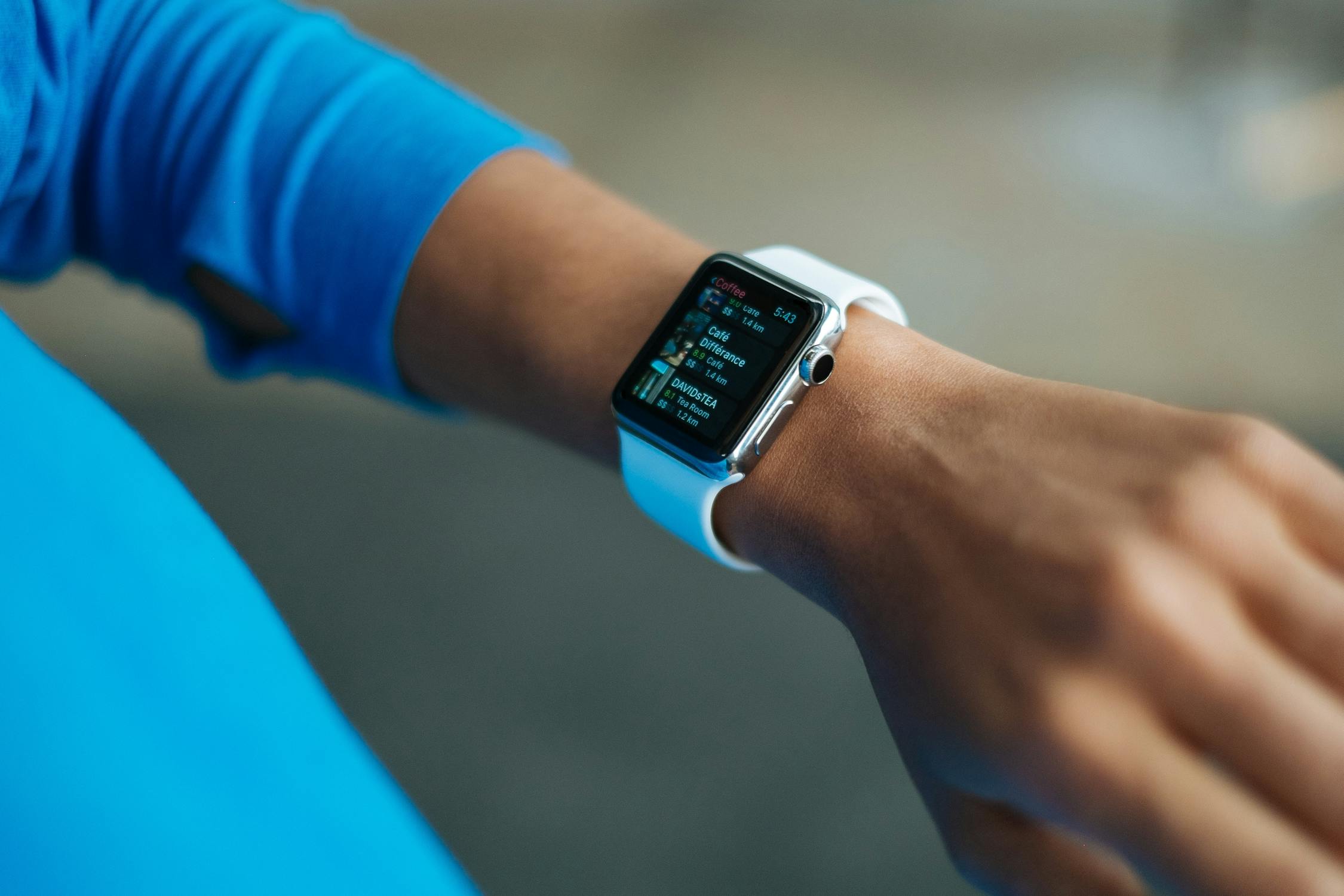
    Finally, do you ever wear a smartwatch like a FitBit or an Apple Watch on a run and then compare your distance with your running partner? I find that 9 times out of 10, our distances are different. The same goes for calories burned in a workout. Always take this number with a grain of salt. Some workouts promise you’ll burn hundreds, maybe over a thousand, calories but there are too many variables to consider and this should never be taken at face value. 

    Think twice before using calorie counting as your end-all, be-all. I’m not telling you to stop counting calories. However, in order to make lasting changes in your weight, you must also consider the behavioral changes that enhance your diet.

    Important Factors To Consider

    There are lots of important factors to take into consideration when it comes to weight loss (or gain): genetics, medical conditions, your environment (work or home), behavioral tendencies, past history, your gut microbiome, and more.

    Behavioral Therapy is the one I want to focus on. This is the foundation of your long-term weight loss success, especially for those who haven’t been able to achieve their goals in the past.

    Behavioural psychology aims to understand why we behave the way we do and analyse patterns in our actions and behaviours. In order to achieve healthy weight loss, we need to understand the factors that influence weight-gain, like easy access to unhealthy foods. 

    Behavioral therapy includes any or all of the following:

    • Self-monitor through apps or do weekly weigh-ins.
    • Educate yourself using media like courses, books, or YouTube videos.
    • Find non-food rewards to use as reinforcement (ex. buy a new shirt when you’ve reached goal weight, take a bubble bath, or get a massage).
    • Social support from family and friends – creates a sense of accountability, especially if you’re doing it in a group!
    • Motivational Interviewing with your healthcare provider.
    • Expect setbacks – create an emergency plan for relapses.
    • Mindfulness for stress reduction.
    • Good quality sleep.

    Have you tried any of the behavioral methods above? Incorporating just one at a time and can be beneficial, but it is certainly possible to do them all if you make the time and put in the effort!


    Conclusion

    The great thing about behavioral changes is that they are very low-risk, so combining that with weight loss is a win-win*. Not only do you get to lose weight at a steady, maintainable pace, but you also learn more about how to treat your body in the long run.

    If you aren’t planning on using your phone for accountability, you can look for other options like in-person Diabetes Prevention Programs (DPP), which cover specific topics like Four Keys to Healthy Eating Out, Three Ways to Eat Less Fat and Fewer Calories, and Preventing Relapse. According to the CDC website, “It’s a year-long commitment including 22 learning sessions (in-person or online) and frequent contact with a lifestyle coach. Insurance will cover this program for people who have a BMI over 25 and a confirmed diagnosis of prediabetes. Not diabetes, only prediabetes. The DPP curriculum is available for free on the Centers for Disease Control (CDC) website.”. It’s great to know that some proactive measures have been put in place for those looking to take control of their health. To find a recognized DPP program in your state, check out the CDC’s registry.

    Learning how to set specific SMART goals and enforcing new habits through Behavioral Therapy can help you reach your health-related goals, whether you want to have more energy, lose weight, or train for a specific sporting event. 

    Have you delved into behavioral psychology for weight-loss or other health-related goals? I’m curious to hear your stories in the comments below!


    Resources:

    • https://psychologyofeating.com/psychology-weight-loss/
    • https://www.ucihealth.org/blog/2020/01/weight-loss-psychology
    • https://www.health.harvard.edu/blog/behavioral-weight-loss-programs-are-effective-but-where-to-find-them-2018111215340
    • https://www.verywellfit.com/how-to-start-losing-weight-3495465
    • https://behaviorfit.com/stopcountingcalories/
    • https://www.goodreads.com/book/show/43163666-the-science-behind-the-fad